10 Best Shade Sails for Patios
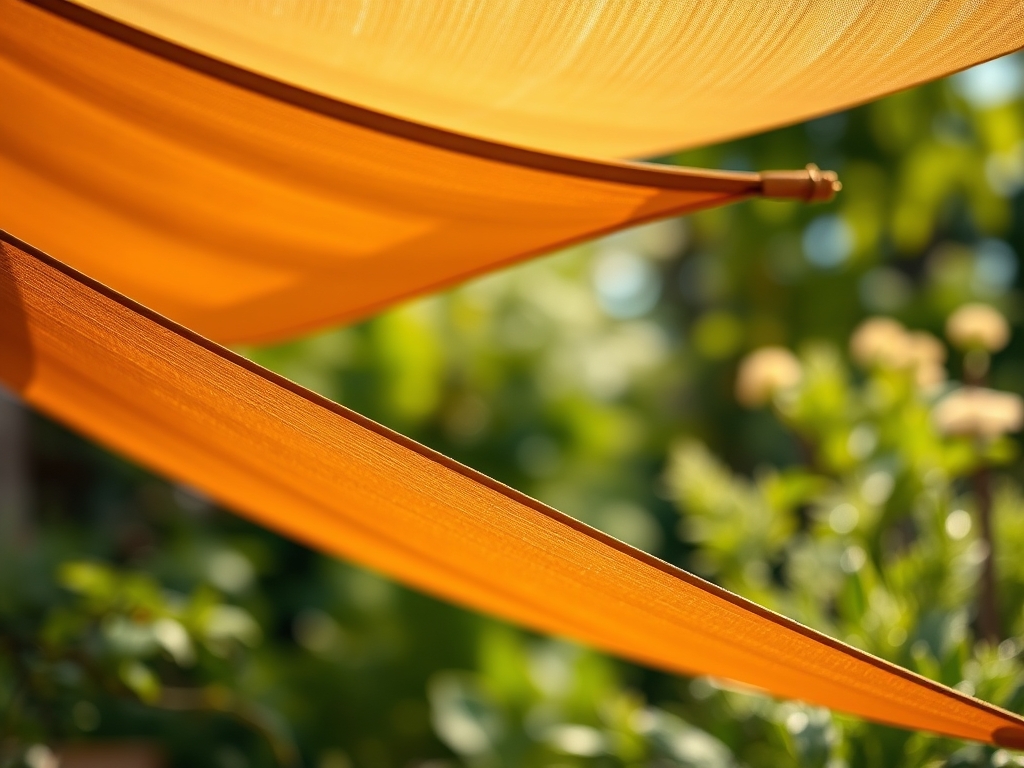
Crushing a handful of friable loam between your palms reveals the health of the rhizosphere; the earthy scent of geosmin indicates active microbial life while the turgor pressure in nearby foliage confirms adequate hydration. High summer temperatures threaten this physiological balance by increasing evapotranspiration rates and scorching delicate leaf tissues. Installing the best shade sails for patios provides a structural canopy that mitigates solar radiation and stabilizes the microclimate for both the gardener and the understory flora. A high density polyethylene (HDPE) fabric with a weight of 280 GSM (grams per square meter) can reduce ambient temperatures by up to 15 degrees Fahrenheit. This thermal regulation prevents the denaturation of plant proteins and protects the structural integrity of cellular membranes during peak photoperiods. By selecting a shade sail with a 95 percent UV blockage rating, you ensure that the photosynthetic rate remains optimized without reaching the point of photoinhibition. This technical intervention transforms a scorched outdoor space into a controlled environment where soil moisture is preserved and the metabolic processes of your landscape can continue without heat stress.
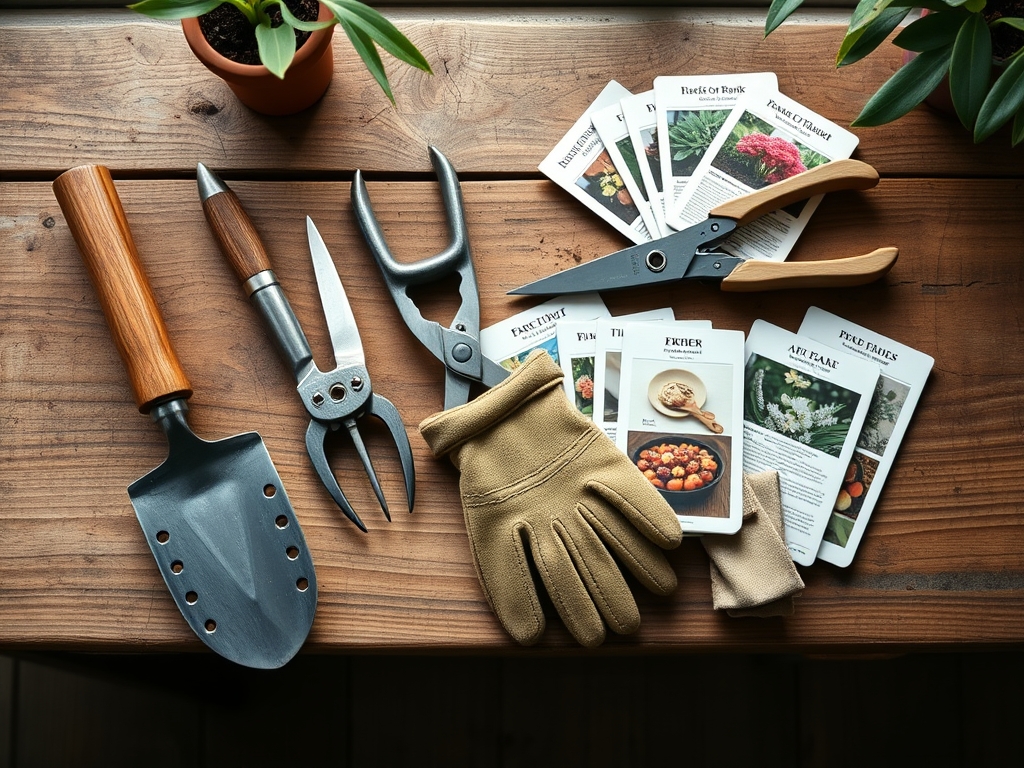
Materials:
The success of the vegetation beneath your patio canopy depends on the chemical composition of the substrate. For most ornamental and edible species, aim for a **soil pH between 6.2 and 6.8** to maximize nutrient bioavailability. This range ensures that the Cation Exchange Capacity (CEC) is high; allowing the soil to hold onto essential positively charged ions like potassium and magnesium. When prepping the area under the best shade sails for patios, incorporate organic matter to achieve a friable loam texture that resists compaction.
Nutrient management requires specific NPK ratios tailored to the growth stage. During the establishment of shade-tolerant perennials, utilize a balanced 10-10-10 fertilizer to support root architecture and foliar expansion. If the goal is to encourage flowering in species like Hydrangea macrophylla, shift to a 5-10-10 ratio to prioritize phosphorus for bud development while limiting nitrogen to prevent excessive vegetative growth. Ensure the soil has a high concentration of humic acid to facilitate the transport of these nutrients across the root plasma membrane.
Timing:
Hardiness zones dictate the window for structural installation and planting. In Zones 7 through 9, the best shade sails for patios should be tensioned by late April to precede the first heat spikes of May. This timing aligns with the biological clock of most temperate plants as they transition from the vegetative stage to the reproductive stage. As the photoperiod lengthens, plants increase their demand for consistent moisture and stable temperatures.
The "Biological Clock" is governed by phytochrome pigments that sense light quality and duration. By installing shade sails before the summer solstice, you prevent the soil from reaching a "heat sink" status where the thermal mass of the patio pavers begins to cook the root systems of container plants. Monitor the local frost-date windows; in Zone 6, ensure all hardware is rated for wind loads exceeding 40 miles per hour to withstand spring squalls.
Phases:
Sowing and Site Preparation
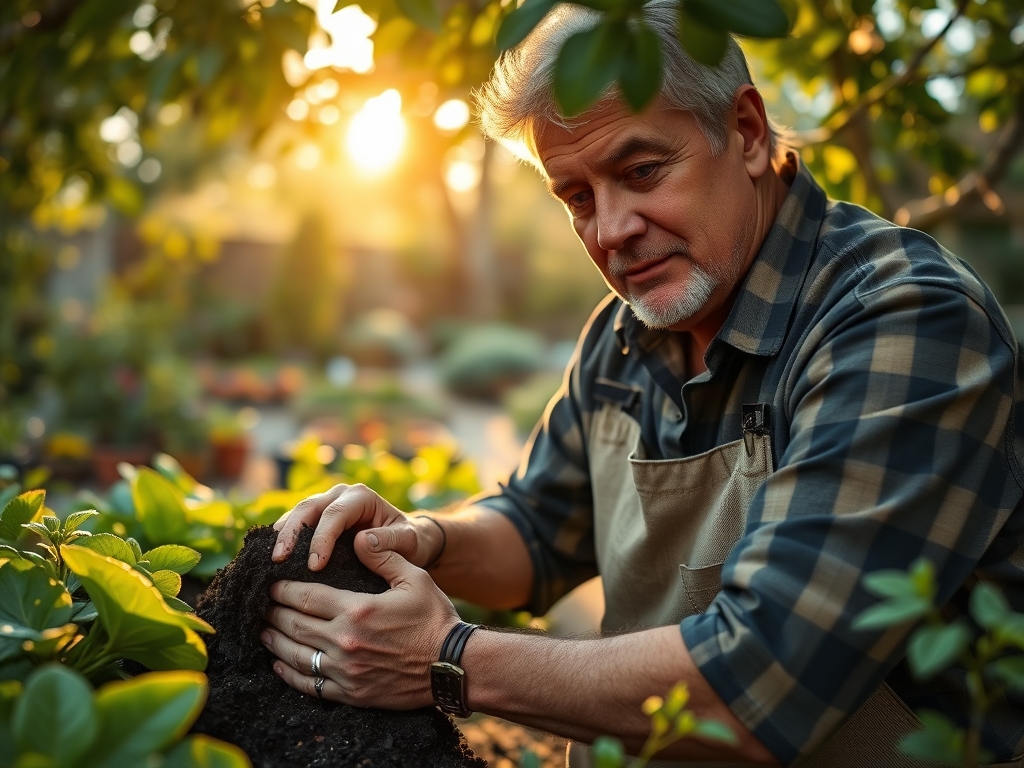
Before anchoring your shade sail, analyze the sun path to identify the exact coordinates of the afternoon shadow. Clear the area of weeds using a hori-hori knife to extract taproots. Amend the soil with composted manure to increase the nitrogen pool.
Pro-Tip: Proper site prep encourages mycorrhizal symbiosis. These beneficial fungi extend the reach of the root system; increasing the surface area for water absorption by up to 100 times.
Transplanting and Anchoring
Install heavy-duty 316-grade stainless steel hardware into solid substrates or reinforced posts. When placing plants beneath the sail, dig a hole twice the width of the root ball. Ensure the crown sits level with the soil surface to prevent stem rot.
Pro-Tip: Maintaining correct planting depth prevents auxin suppression. Auxins are hormones that regulate root elongation; if the crown is buried too deep, gas exchange is inhibited and auxin flow is disrupted.
Establishing and Tensioning
Tension the shade sail until the center has a slight "hypar" or hyperbolic paraboloid shape to allow for water runoff. Monitor the understory plants for signs of phototropism, where the stems lean toward the edge of the sail in search of higher light intensity.
Pro-Tip: If plants lean excessively, they are reacting to blue light deficiency. Adjust the sail position or select a fabric with a slightly lower density to allow more PAR (Photosynthetically Active Radiation) to penetrate.
The Clinic:
Physiological disorders often manifest when the environment is poorly managed. Monitor these symptoms closely:
-
Symptom: Interveinal Chlorosis.
Solution: This typically indicates a Magnesium deficiency. Apply a foliar spray of Epsom salts (magnesium sulfate) at a rate of 1 tablespoon per gallon of water to restore chlorophyll production. -
Symptom: Leaf Scorch (Marginal Necrosis).
Solution: This is caused by excessive transpiration. Increase the shade density of your patio sail or install a misting system to raise the local humidity and reduce the vapor pressure deficit. -
Symptom: Nitrogen Chlorosis (Yellowing of older leaves).
Fix-It: Apply a high-nitrogen organic amendment like blood meal. Nitrogen is a mobile nutrient; the plant will pull it from older tissue to support new growth if the soil supply is depleted. -
Symptom: Edema (Water-soaked bumps on leaves).
Solution: This occurs when the roots take up more water than the leaves can transpire. Improve airflow under the shade sail by increasing the mounting height to at least 8 feet.
Maintenance:
Precision is required for long-term success. Use a soil moisture meter to ensure the root zone maintains a consistent moisture level. Most established landscape plants require 1.5 inches of water per week delivered at the drip line. Avoid overhead watering to prevent the spread of fungal spores; use a soaker hose or drip irrigation system instead.
Pruning should be performed with sharp bypass pruners to ensure clean cuts that heal quickly. Remove any crossing branches or necrotic tissue to maintain airflow. Inspect the shade sail hardware monthly. Tighten turnbuckles to maintain tension; as loose fabric can flap in the wind and cause mechanical damage to nearby tree canopies or structural supports.
The Yield:
If your patio includes containers of herbs or edible flowers, timing the harvest is critical for chemical potency. Harvest leafy greens like basil or kale in the early morning when turgor pressure is at its peak. This ensures the cell walls are fully distended; providing a crisp texture and preventing rapid wilting.
Use a sharp blade to make a clean cut above a node to encourage branching. For "day-one" freshness, immediately submerge the stems in cool water or place them in a sealed container at 40 degrees Fahrenheit. This slows the rate of senescence and preserves the essential oils and volatile compounds within the plant tissue.
FAQ:
What is the best material for a patio shade sail?
High Density Polyethylene (HDPE) is the industry standard. It is UV-stabilized; breathable to prevent heat trapping; and resistant to mold. Look for a weight of 280 to 320 GSM for maximum durability and solar protection.
How do I calculate the size for my shade sail?
Measure the area and subtract 12 to 18 inches from each connection point. This allows space for the turnbuckles and mounting hardware to properly tension the fabric; preventing sagging and water pooling during heavy rain events.
Can shade sails stay up in the winter?
In regions with snow, sails must be removed to prevent structural failure from weight loads. In milder climates, they can remain if the hardware is stainless steel. Always remove sails if winds are forecasted to exceed 50 mph.
Will a shade sail kill the grass underneath?
A sail with 90 percent blockage will likely cause turf thinning. For healthy grass, select a sail with 70 percent UV blockage or use shade-tolerant groundcovers like Pachysandra or Ajuga that thrive in lower light intensities.