8 Effective Ways How to Prevent Tool Corrosion
The scent of damp earth and the crisp turgor of a healthy leaf define the success of a horticultural season. Yet, the same moisture that fuels the rhizosphere also initiates the electrochemical oxidation of carbon steel. Understanding how to prevent tool corrosion is not a matter of aesthetics; it is a requirement for maintaining the mechanical integrity of bypass pruners and spades. When metal surfaces react with oxygen and water, the resulting ferric oxide creates a pitted texture that harbors pathogenic spores. A rusted blade increases friction, causing ragged cuts that impede a plant's ability to seal wounds through the formation of callus tissue. High-quality maintenance ensures that every interaction between tool and stem is precise, minimizing the risk of systemic infection or cellular collapse.
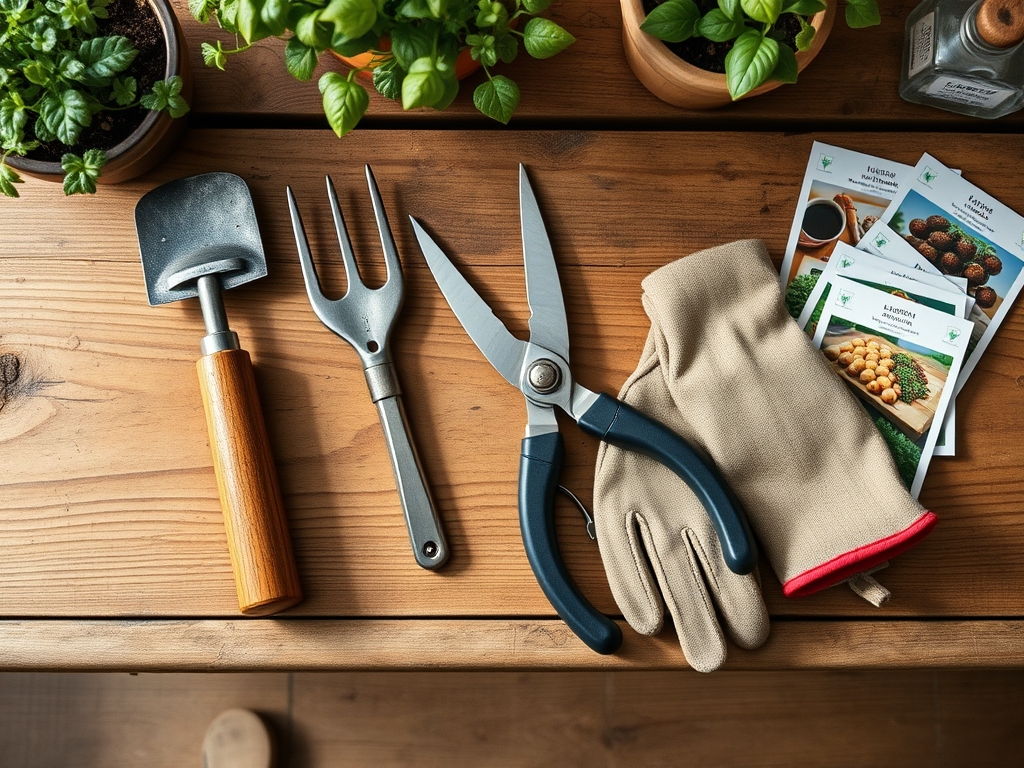
Materials:
Substrate chemistry directly impacts the rate of metal degradation. Tools frequently used in **friable loam** with a **pH of 6.5 to 7.5** experience slower corrosion than those exposed to acidic peat or salt-heavy coastal soils. High Cation Exchange Capacity (CEC) in soil indicates a wealth of mineral ions that can accelerate galvanic corrosion if left on steel surfaces.
For soil amendment and tool storage environments, maintain the following NPK ratios and material standards:
- Fertilizer Residue Management: Nitrogen (N) rich fertilizers, particularly those with a 10-5-5 ratio, are often acidic and highly corrosive to carbon steel.
- Storage Substrate: A bucket filled with coarse silica sand mixed with mineral oil or biodegradable vegetable oil provides a physical barrier against oxygen.
- Cleaning Agents: Use 70% isopropyl alcohol for sterilization and a stiff wire brush to remove particles of clay and organic matter.
- Lubricants: Apply a thin film of 3-in-1 oil or camellia oil to all moving joints of bypass pruners to maintain a low coefficient of friction.
Timing:
Hardiness Zones 3 through 9 dictate specific maintenance windows based on ambient humidity and frost dates. In regions with high relative humidity, such as the Southeast, tool oxidation occurs rapidly during the summer vegetative stage when plants exhibit peak transpiration rates. During the "Biological Clock" transition from vegetative growth to reproductive flowering, sap production often increases. This sticky, acidic fluid must be removed immediately to prevent surface etching.
The primary maintenance window occurs during the dormant season, typically between the first killing frost and the spring thaw. In Zone 6, this period spans from November to March. During this time, the lack of chlorophyll production and the cessation of auxin flow in the garden allow the horticulturist to perform deep-cleaning protocols without interrupting critical pruning cycles.
Phases:

Sowing and Preparation
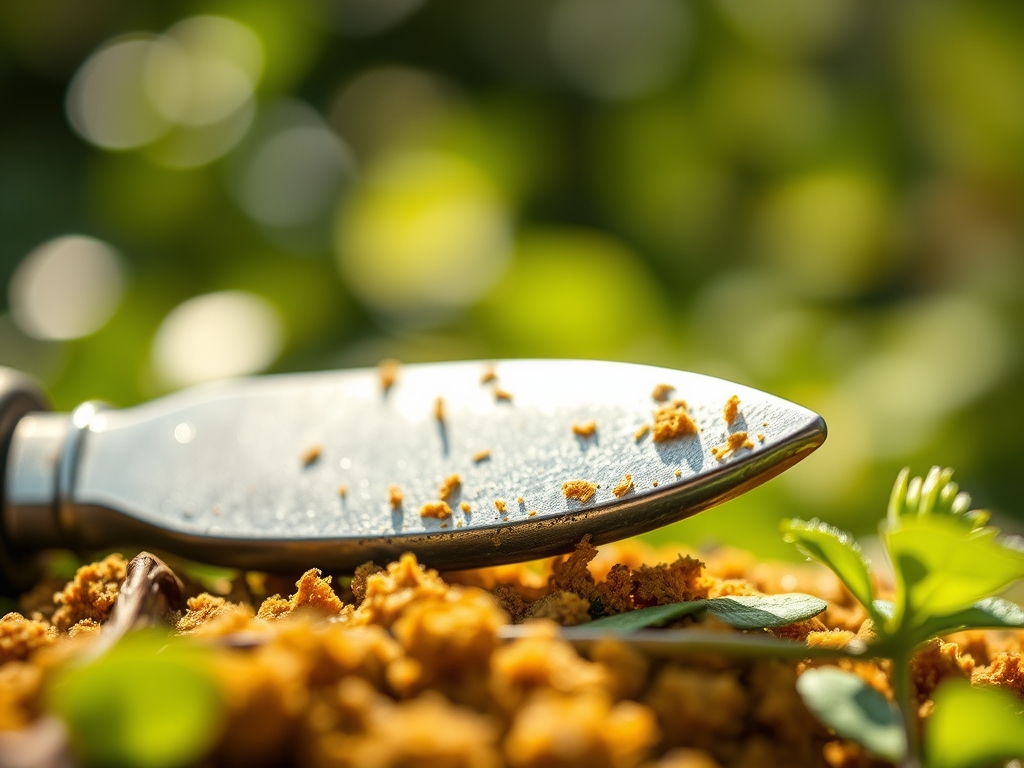
Before the first seed hits the soil, inspect the hori-hori knife and hand trowels for signs of pitting. Effective corrosion prevention begins with mechanical cleaning. Use a 120-grit sandpaper to remove existing rust, then transition to a 220-grit for a polished finish. A smooth surface has less surface area for moisture to cling to, reducing the likelihood of oxidation.
Pro-Tip: Removing rust isn't just about tool longevity; it protects the rhizosphere. Ferric oxide flakes can alter localized soil chemistry and introduce microscopic hiding spots for anaerobic bacteria that cause root rot.
Transplanting and Active Use
During the transplanting phase, tools are constantly immersed in moist soil. The soil moisture meter should be wiped clean after every reading to prevent the degradation of its sensitive metallic probes. Always carry a dry microfiber cloth to remove sap and soil after each use.
Pro-Tip: Sap contains sugars and organic acids that trigger senescence in the tool's metal. By wiping blades, you prevent these acids from eating through the protective chromium oxide layer found in stainless steel tools.
Establishing and Pruning
When using bypass pruners to manage plant architecture, the cleanliness of the blade is paramount. A corroded blade creates micro-tears in the plant tissue rather than clean surgical cuts. This disrupts the flow of water through the xylem and can lead to localized wilting.
Pro-Tip: Clean cuts facilitate better auxin suppression in lateral buds, allowing the plant to focus energy on terminal growth. A rusted blade introduces friction that heat-shocks the cambium layer during the cut.
The Clinic:
Physiological disorders in tools often mimic those in plants. Use the following diagnostic guide to identify and treat tool degradation.
- Symptom: Orange Flaking (Rust)
- Solution: Submerge the tool in a 5% acetic acid solution (white vinegar) for 12 hours. Scrub with steel wool and neutralize with a baking soda wash.
- Symptom: Seized Joints
- Solution: Apply a penetrating lubricant and allow it to sit for 24 hours. Move the handles manually to break the bond of oxidation.
- Symptom: Pitting on Blade Edge
- Solution: Re-grind the edge using a diamond whetstone at a 20-degree angle until the pits are removed and the bevel is restored.
- Fix-It: Chemical Neutralization
- If tools have been exposed to high-nitrogen fertilizers (e.g., ammonium nitrate), they must be washed with a basic solution to neutralize acidity. Failure to do so results in rapid "flash rust" within hours.
Maintenance:
A rigorous maintenance schedule prevents the need for aggressive restoration. Tools should be stored in a climate-controlled environment where the relative humidity remains below 50%. For long-handled tools like shovels and hoes, sand the wooden handles annually and coat them with boiled linseed oil to prevent cracking and moisture absorption.
Apply 1.5 ounces of lubricant to the pivot bolt of all cutting tools monthly. Use a soil moisture meter to ensure your storage area isn't inadvertently damp due to proximity to irrigation lines. If storing tools in a shed, elevate them off the concrete floor, as concrete can leach moisture and salts that accelerate the corrosion of carbon steel.
The Yield:
While tools do not "yield" a crop, their condition determines the quality of your harvest. For edible crops, such as pome fruits or brassicas, using a sharp, sterile hori-hori knife ensures that the harvest wound on the mother plant heals within 48 hours. This rapid healing preserves the plant's internal turgor pressure and prevents the entry of fungal pathogens. For the harvested produce, clean cuts reduce ethylene gas production, extending the post-harvest shelf life and maintaining "day-one" freshness.
FAQ:
What is the fastest way to stop tool rust?
Clean the tool with a wire brush to remove loose debris. Apply a thin layer of lanolin or mineral oil to create an immediate hydrophobic barrier that prevents oxygen from reaching the metal surface.
Can I use vegetable oil to prevent corrosion?
Yes, but use food-grade oils like camellia or grapeseed oil. Avoid soybean or corn oils, as they can become gummy over time and attract pests or harbor fungal spores that affect plant health.
How does soil pH affect my garden tools?
Acidic soils (pH below 6.0) contain higher concentrations of hydrogen ions, which accelerate the chemical reaction of oxidation. Tools used in acidic environments require more frequent cleaning and oiling to prevent deep pitting.
Should I bleach my tools to prevent rust?
No. Bleach is highly corrosive to metal. Use 70% isopropyl alcohol for disinfection. It evaporates quickly and does not promote the oxidative process, keeping your blades sharp and structurally sound.
How often should I sharpen my pruning shears?
Sharpen every 50 to 100 cuts or whenever you notice the tool crushing rather than slicing the stem. A sharp edge has less surface area exposed to potential corrosion than a jagged, dull one.