5 Best Plants for Wet Soil
The smell of anaerobic decomposition is the first sign of a site with drainage issues. When oxygen is pushed out of the pore spaces by standing water, the rhizosphere begins to suffocate. However, for the best plants for wet soil, this saturated environment is where they achieve peak turgor pressure. These species have evolved specialized cellular structures, such as aerenchyma tissue, which allows them to transport gases from the foliage down to the submerged root systems. Instead of the yellowing chlorosis seen in terrestrial plants during a flood, these selections maintain a deep green luster and rigid stems. Selecting the best plants for wet soil requires more than just picking water-loving varieties; it demands an understanding of hydraulic conductivity and the specific oxygen requirements of the root zone. You are looking for species that can thrive in the heavy, clay-rich substrates found in Hardiness Zones 3 through 9, where the water table remains high throughout the growing season.
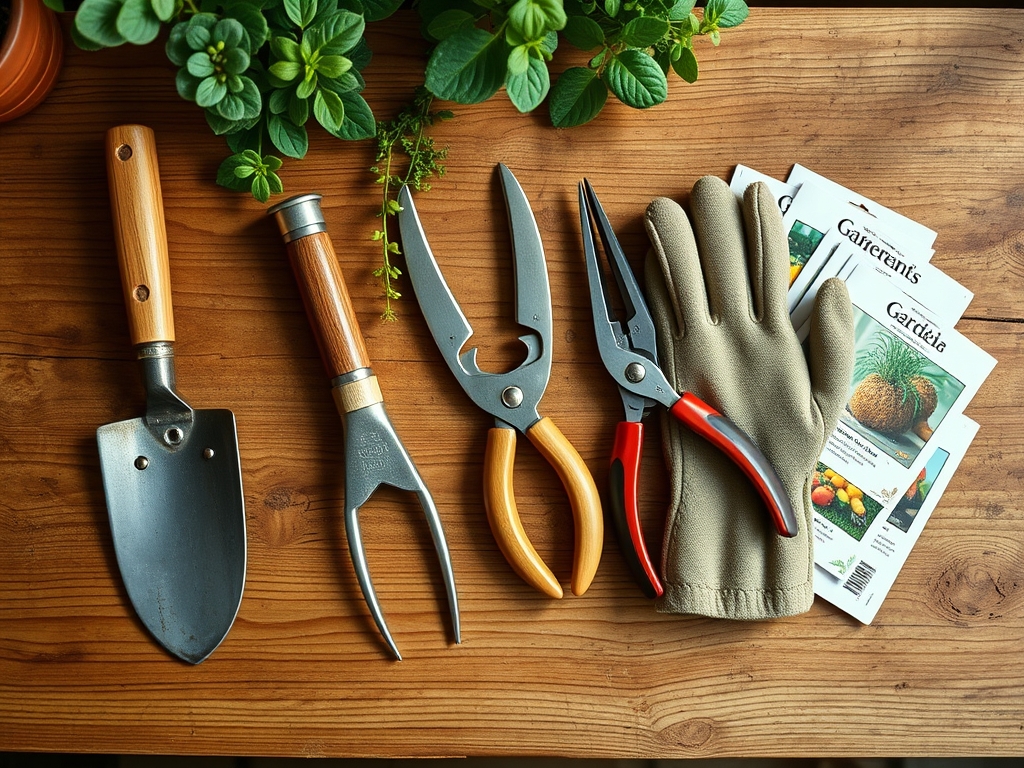
Materials:
Success in saturated sites depends on managing the Cation Exchange Capacity (CEC). In wet soils, the CEC is often high due to clay content, meaning the soil holds onto nutrients tightly. Aim for a **soil pH between 5.5 and 7.0**. High-clay soils are dense; the physical texture should be a heavy, silty loam that retains moisture but allows for minimal gas exchange.
For the top five selections (Bald Cypress, River Birch, Swamp Milkweed, Joe Pye Weed, and Siberian Iris), follow these NPK requirements:
- Bald Cypress (Taxodium distichum): Requires a 10-10-10 balanced slow-release fertilizer in early spring.
- River Birch (Betula nigra): Prefers an acidic-leaning 12-4-8 ratio to prevent iron chlorosis.
- Swamp Milkweed (Asclepias incarnata): Thrives with a low-nitrogen 5-10-10 to encourage root development over excessive foliage.
- Joe Pye Weed (Eutrochium purpureum): Needs a 10-10-10 application as it enters the rapid vegetative growth phase.
- Siberian Iris (Iris sibirica): Benefits from a 6-24-24 ratio to support rhizome health and bloom density.
Timing:
Timing is dictated by the soil temperature and the frost-free window of your specific Hardiness Zone. For most wet-site species, planting should occur when the soil temperature reaches a consistent 55 degrees Fahrenheit. In Zones 4 through 7, this typically occurs between late April and early June.
The biological clock of these plants is triggered by the photoperiod. As day length increases, the plants transition from dormancy to the vegetative stage, where auxin production at the apical meristems drives vertical growth. By mid-summer, the shift to the reproductive stage begins, marked by the development of flower primordia or woody lignification. Avoid transplanting during the peak of summer heat, as the transpiration rate will exceed the roots' ability to uptake water, leading to permanent wilting point.
Phases:

Sowing
Direct sowing is best for herbaceous perennials like Swamp Milkweed. Seeds require a period of cold stratification for 30 to 60 days at temperatures below 40 degrees Fahrenheit to break physiological dormancy. Sow seeds at a depth of 1/8 inch in late autumn to allow natural winter cycles to prepare the embryo for spring germination.
Pro-Tip: Cold stratification mimics natural seasonal shifts, which degrades germination inhibitors like abscisic acid within the seed coat.
Transplanting
When moving woody species like River Birch, dig a hole twice the width of the root ball but no deeper than the existing soil line. Ensure the root flare is visible at the surface. In wet soils, planting too deep leads to trunk rot and fungal pathogens. Backfill with the native heavy soil rather than amended potting mix to prevent the "bathtub effect," where water pools in the lighter soil and drowns the roots.
Pro-Tip: Mycorrhizal symbiosis is critical during transplanting; adding fungal inoculants helps the roots extend their surface area for nutrient uptake in low-oxygen environments.
Establishing
The establishment phase lasts for the first two growing seasons. During this time, the plant focuses on root architecture rather than canopy expansion. Maintain consistent moisture levels even if the site naturally dries out during a mid-summer drought. Use a soil moisture meter to ensure the root zone stays at a 70% to 80% saturation level.
Pro-Tip: Suppressing lateral bud growth through strategic pruning redirects energy to the primary leader, a process governed by apical dominance and the distribution of auxins.
The Clinic:
Physiological disorders in wet-soil plants often mimic nutrient deficiencies.
- Symptom: Interveinal chlorosis (yellow leaves with green veins) in River Birch.
Solution: This is typically iron deficiency caused by high pH. Apply chelated iron to the soil or lower the pH using elemental sulfur.
2. Symptom: Leaf scorch or marginal necrosis.
Solution: Despite being in wet soil, the plant may be experiencing physiological drought if the soil is compacted. Use a broadfork to aerate the soil around the drip line without damaging major roots.
3. Symptom: Stunted growth and purple-tinted foliage.
Solution: This indicates phosphorus deficiency, often occurring in cold, wet spring soils where microbial activity is low. Apply a high-phosphate 0-20-0 fertilizer.
Fix-It: For general nitrogen chlorosis (uniform yellowing of older leaves), apply a water-soluble 20-20-20 fertilizer to provide an immediate nitrogen boost while the soil warms.
Maintenance:
Precision is required for long-term health. Monitor the site weekly. Most wet-soil plants require 1.5 to 2 inches of water per week if natural rainfall is absent. Use a hori-hori knife to remove deep-rooted weeds that compete for nitrogen in the rhizosphere.
Pruning should be done with sharp bypass pruners during the dormant season to minimize sap loss and prevent the entry of pathogens. For Joe Pye Weed and Siberian Iris, cut back the dead stalks to 3 inches above the soil line in late winter. This removal of senescent material prevents fungal spores from overwintering near the crown. Always sanitize tools with a 10% bleach solution between plants to prevent the spread of vascular wilt.
The Yield:
For flowering species like Siberian Iris and Swamp Milkweed, harvesting for floral arrangements should occur when the first bud on the stalk is just beginning to show color (the "marshmallow" stage). Use a sharp knife to make a 45-degree angled cut to maximize the surface area for water uptake.
Post-harvest handling is essential for longevity. Immediately plunge the stems into 110-degree Fahrenheit water and move them to a cool, dark location for two hours. This process, known as conditioning, ensures the vascular tissues are fully hydrated, maintaining "day-one" freshness for up to seven days in a vase.
FAQ:
Can these plants survive in standing water?
Bald Cypress and Swamp Milkweed tolerate temporary submersion. However, most species require the soil surface to be above the water line for at least part of the year to allow for essential gas exchange in the upper root zone.
How do I improve drainage in heavy clay?
Incorporate organic matter like composted leaf mold. This improves soil structure and increases macro-pore space. Avoid adding sand to clay, as it can create a concrete-like consistency that prevents root penetration and water movement.
Why are my wet-soil plants wilting?
Wilting in saturated soil often indicates root rot (Phytophthora). Excessive water without any oxygen kills the root hairs, preventing the plant from absorbing water. Check for mushy, brown roots instead of firm, white ones.
Do wet-soil plants need more fertilizer?
Nutrients often leach out of sandy wet soils but stay locked in clay. Use slow-release granules to ensure a steady supply of nutrients. Test your soil every two years to monitor the Cation Exchange Capacity and pH levels.