7 Simple Steps to Install a Patio Awning
The smell of damp earth after a summer rain signals the peak of plant turgor pressure; it also marks the moment your outdoor living space requires structural shade to prevent solar desiccation. Learning the steps to install a patio awning ensures your exterior environment remains thermally regulated for both human comfort and the health of shade-tolerant container plants. Proper installation requires precise measurements and structural integrity to withstand wind loads and precipitation.
Materials:
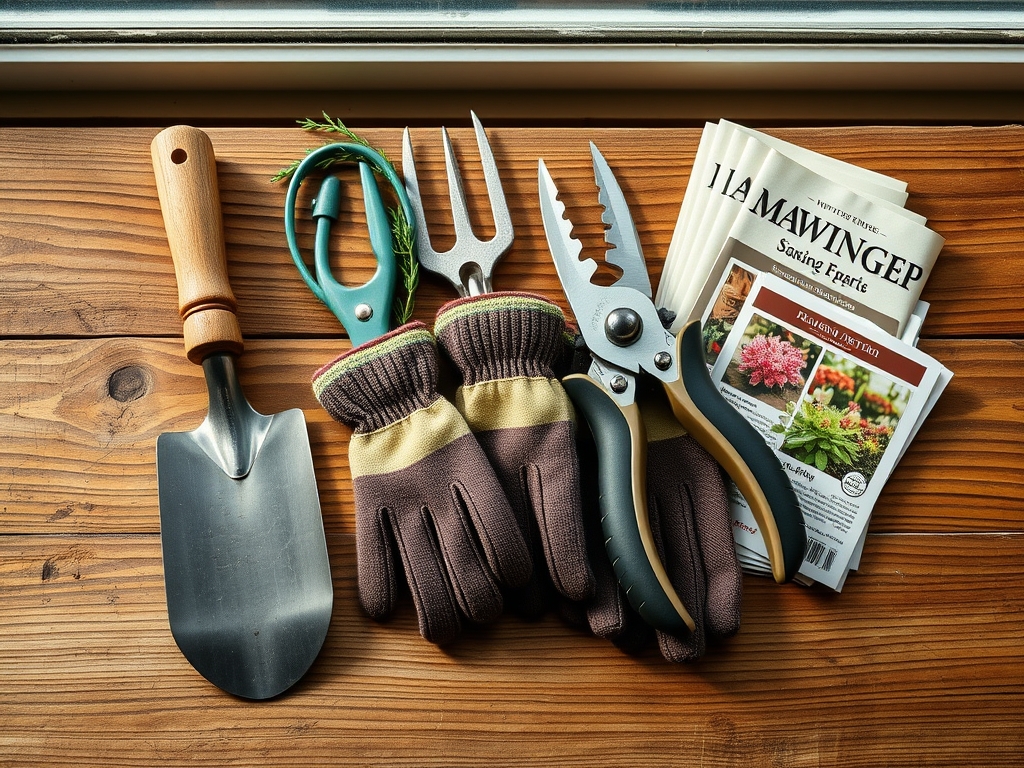
Successful installation begins with the substrate of your home facade. For brick or stone, you require a **friable loam** equivalent in your mortar quality; it must not be crumbling or showing signs of efflorescence. The chemical stability of your mounting hardware is as vital as soil pH. For optimal performance, use stainless steel lag bolts to prevent oxidation. If you are mounting near garden beds, ensure your runoff management does not alter the **6.5 pH** balance of the soil below. High-nitrogen runoff from certain treated awning fabrics can inadvertently spike **NPK ratios to 20-0-0**, causing leggy growth in nearby ornamental shrubs. Always verify that your mounting surface can support a minimum of **25 pounds per square foot** of torque.
Timing:
Installation should occur during the dormant season or early spring, specifically between Hardiness Zones 4 and 9 before the final frost date. This timing prevents heat exhaustion for the installer and ensures the awning is in place before the summer solstice, when the photoperiod is longest. Aligning the installation with the biological clock of your garden allows you to observe how the shifting shadows affect the transition from vegetative to reproductive stages in your understory plants. Aim for a window where ambient temperatures are between 50 and 75 degrees Fahrenheit to ensure metal components do not over-expand during the calibration phase.
Phases:

Sowing the Foundation
The first of the steps to install a patio awning involves marking the ledger board or mounting brackets. Use a laser level to ensure a pitch of at least 15 degrees for water runoff. This prevents "pooling," which can lead to fungal pathogens dripping onto the rhizosphere of the plants below.
Pro-Tip: Ensure the mounting height allows for at least 8 feet of clearance. Biological Why: Maintaining adequate vertical space prevents the trapping of humid air, which reduces the risk of powdery mildew by promoting consistent airflow and transpiration across leaf surfaces.
Transplanting the Hardware
Once the pilot holes are drilled, clear the masonry dust. Insert your heavy-duty anchors. If mounting to a wooden header, ensure you are hitting the center of the structural studs. Misalignment here is like a shallow root system; it will fail under the first sign of environmental stress.
Pro-Tip: Apply a silicone sealant to each bolt hole before driving the screw. Biological Why: This mimics the plant's natural ability to compartmentalize wounds; sealing the "incision" prevents moisture from entering the home's "vascular system" (the wall studs) and causing rot.
Establishing the Canopy
With the brackets secure, lift the awning torsion bar into place. This usually requires two people to manage the weight and prevent torque damage. Secure the safety bolts and begin the extension test. Observe the mechanical "articulation" to ensure the fabric remains taut.
Pro-Tip: Adjust the pitch after the first full extension. Biological Why: Strategic angling can manage phototropism in your patio pots. By controlling the light angle, you prevent plants from leaning aggressively toward the sun, which maintains a balanced auxin distribution and upright growth habit.
The Clinic:
Physiological disorders in an awning installation often manifest as mechanical failures or environmental stressors.
- Symptom: Fabric sagging or water pooling.
Solution: Increase the pitch to at least 25 percent slope. This ensures gravitational force overcomes the surface tension of the water. - Symptom: High-pitched screeching during extension.
Solution: Apply dry silicone lubricant to the pivot points. Avoid petroleum-based products that can degrade synthetic fibers. - Symptom: Uneven extension (one arm faster than the other).
Solution: Re-level the torsion bar. Even a 3-millimeter deviation can cause significant lateral stress over a 12-foot span.
Fix-It for Nutrient Deficiencies: If your perimeter plants show Nitrogen chlorosis (yellowing of older leaves), check if the awning is diverting all rainfall away from their root zone. A lack of water prevents the Cation Exchange Capacity (CEC) from functioning, as nutrients must be in a soil solution to be absorbed.
Maintenance:
A durable awning requires the same rigor as a high-yield orchard. Clean the fabric twice yearly using a soft-bristle brush to remove organic matter that could host fungal spores. Inspect the hardware for "heaving" caused by freeze-thaw cycles. For the plants living under the awning, supplement their water intake; they will no longer receive natural rainfall. Use a soil moisture meter to ensure the root zone receives 1.5 inches of water per week. When pruning nearby overhanging limbs, use bypass pruners to make clean cuts, preventing "dieback" that could drop debris onto the canopy. A hori-hori knife is useful for removing any weeds that thrive in the new microclimate created by the shade.
The Yield:
The "yield" of a successful awning installation is a controlled microclimate. By reducing the ambient temperature by up to 15 degrees, you extend the "freshness" of shade-loving species like Hosta or Heuchera. Post-installation, monitor your plants for senescence; some may go dormant earlier if the light levels drop too significantly. If you are growing edibles like lettuce under the shade, you will find the harvest window extends further into the summer because the reduced soil temperature prevents "bolting" or premature seed production.
FAQ:
How high should I mount my patio awning?
Mount the torsion bar at least 7.5 to 9 feet above the ground. This provides sufficient pitch for water runoff and ensures adequate clearance for doors to swing open without contacting the fabric canopy or support arms.
Can I install an awning on vinyl siding?
Yes, but you must not mount directly onto the vinyl. You must use structural spacers to bridge the gap between the siding and the house sheathing. This prevents crushing the vinyl and ensures a secure connection to the studs.
What is the best pitch for a patio awning?
A minimum pitch of 15 degrees is required for proper drainage. For every foot the awning extends, the front bar should drop approximately 3 inches. This prevents water weight from damaging the mechanical arms during heavy rain.
How do I secure an awning to a brick wall?
Use a hammer drill to create pilot holes in the brick, not the mortar. Insert expansion anchors or chemical resin anchors. Ensure the brick is structurally sound and free of cracks to handle the leverage of the extended arms.