8 Clever Ways How to Build a Stone Herb Spiral
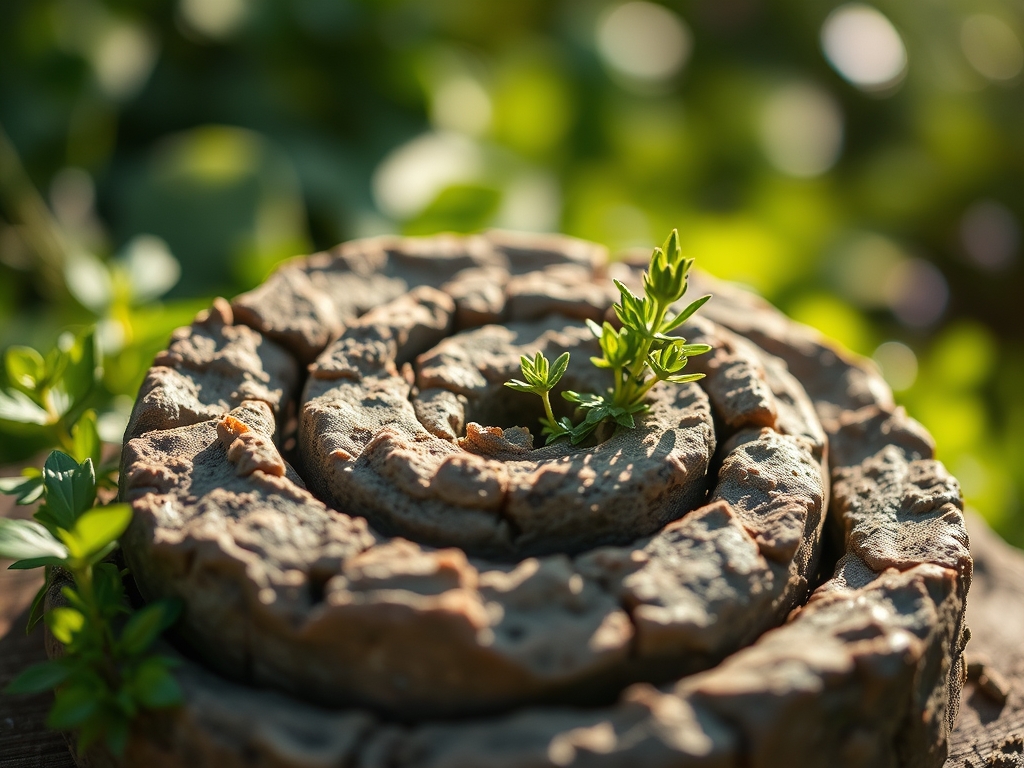
The smell of crushed rosemary oil and the gritty texture of damp, friable loam define the workspace of a serious gardener. Success in the garden is measured by turgor pressure and the efficient cycling of nutrients within the rhizosphere. Mastering how to build a stone herb spiral allows you to manipulate microclimates and drainage gradients within a three dimensional structure. This architectural approach maximizes vertical space while providing specific ecological niches for diverse botanical species.
Materials
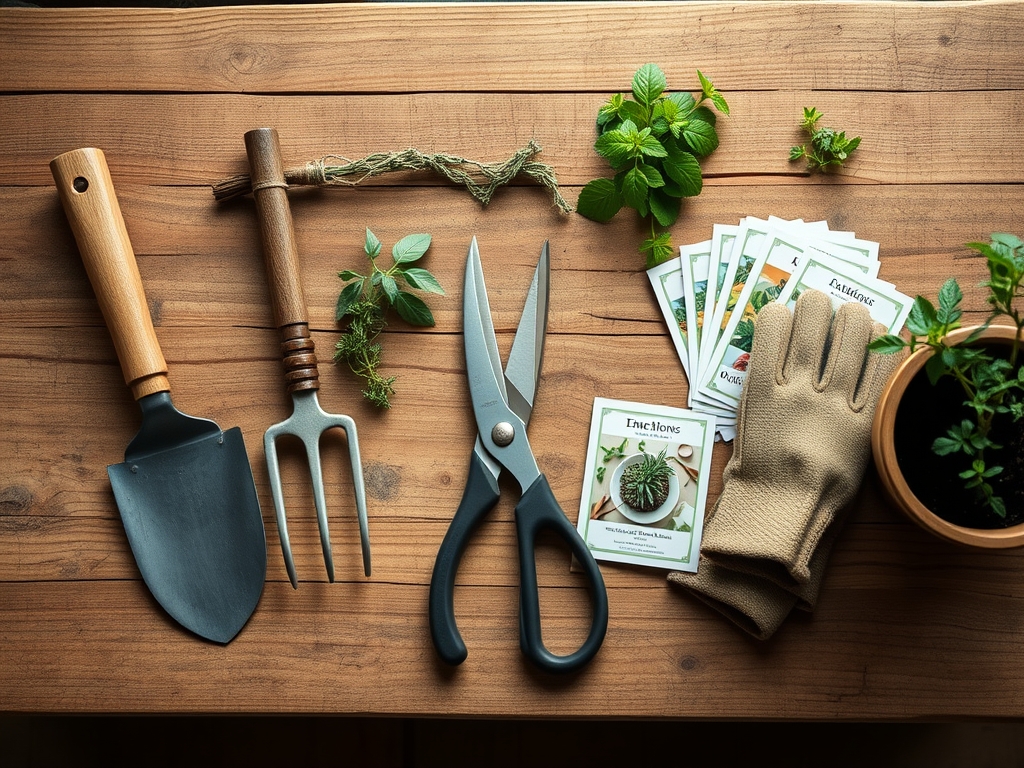
The foundation of a high performing herb spiral is the substrate. You require a base layer of coarse drainage material; such as crushed limestone or gravel; to prevent anaerobic conditions at the root zone. For the growing medium, target a **soil pH between 6.0 and 7.0** to ensure optimal nutrient bioavailability.
The NPK requirements vary by zone within the spiral. The upper, drier sections benefit from a 5-10-10 ratio to encourage root development and essential oil production without forcing excessive, weak vegetative growth. The lower, moisture retentive sections require a 10-10-10 balanced organic fertilizer to support high biomass herbs. The ideal substrate is a friable loam consisting of 40 percent sand, 40 percent silt, and 20 percent clay. This composition ensures a high Cation Exchange Capacity (CEC), allowing the soil to hold onto essential cations like Calcium (Ca2+) and Magnesium (Mg2+). Use approximately 2 tons of fieldstone or basalt for a spiral with a 2 meter diameter.
Timing
Timing the construction and planting of your spiral depends on your local USDA Hardiness Zone. In Zones 7 through 9, construction should conclude in late winter to allow for soil settling before the spring equinox. The biological clock of most perennial herbs is triggered by the photoperiod; the ratio of light to dark hours.
Transplanting should occur when soil temperatures consistently reach 15 degrees Celsius (60 degrees Fahrenheit). This temperature threshold ensures that metabolic enzymes are active enough to support rapid root establishment. Avoid planting during the senescence phase of late autumn, as the plant is diverting carbohydrates to the root system for dormancy rather than establishing new tissue in a new location. For annual herbs like basil, wait until the danger of frost has passed and the minimum night temperature remains above 10 degrees Celsius.
Phases
Sowing and Site Preparation
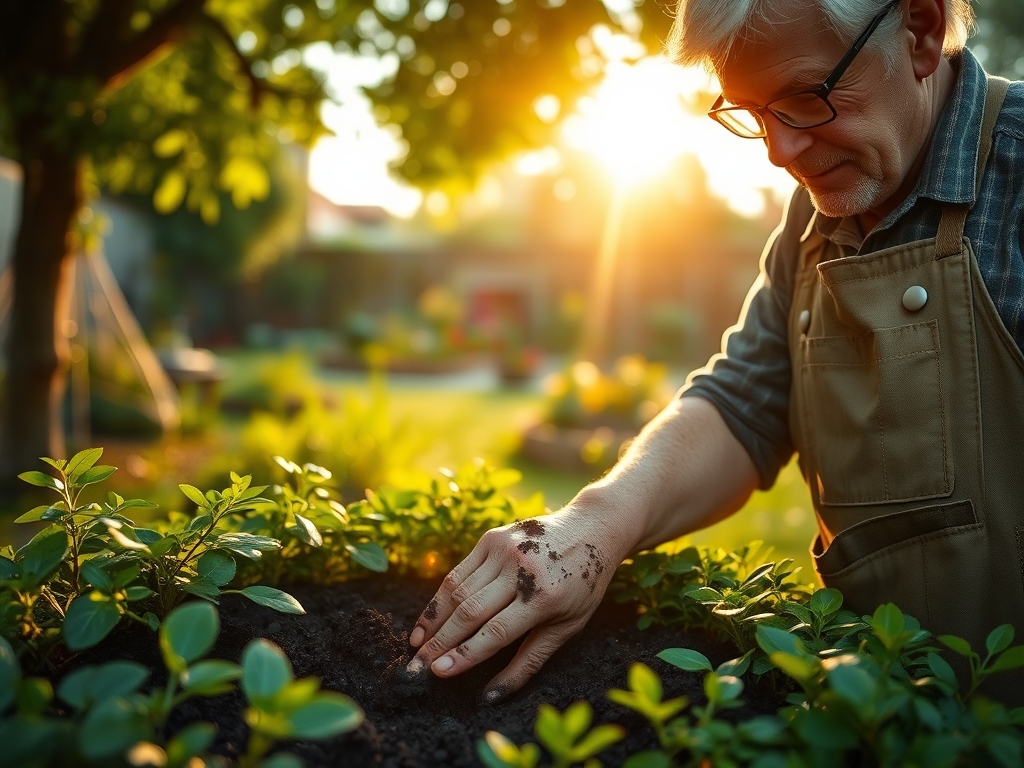
Begin by clearing a circular area 2 meters in diameter. Excavate the top 15 centimeters of turf to expose the subsoil. Lay a permeable weed barrier or a thick layer of cardboard to suppress existing seed banks.
Pro-Tip: Incorporate a mycorrhizal inoculant into the base soil. This encourages mycorrhizal symbiosis, where fungal hyphae extend the reach of the root system, increasing the uptake of phosphorus and water.
Constructing the Stone Framework
Stack stones in a rising spiral pattern, reaching a peak height of 1 meter at the center. The stones act as a thermal mass; absorbing solar radiation during the day and releasing it at night; which stabilizes the temperature of the root zone. Ensure the stones lean slightly inward to maintain structural integrity against the lateral pressure of the wet soil.
Pro-Tip: Leave small gaps between some stones to encourage gas exchange within the soil profile. This prevents the buildup of carbon dioxide which can inhibit root respiration.
Transplanting and Establishing
Place Mediterranean herbs like thyme and lavender at the apex where drainage is most rapid. Place moisture loving plants like mint or parsley at the base. When transplanting, ensure the root ball is level with the soil surface to avoid stem rot.
Pro-Tip: Use a hori-hori knife to prune any circling roots before planting. This disrupts auxin suppression at the root tips, stimulating the growth of new lateral roots into the surrounding substrate.
The Clinic
Physiological disorders often mimic infectious diseases. Accurate diagnosis is required for effective intervention.
- Nitrogen Chlorosis: Lower leaves turn pale yellow while veins remain slightly green.
Solution: Apply a liquid seaweed extract or fish emulsion to provide immediate bioavailable nitrogen.
2. Edema: Small bumps or blisters appear on the underside of leaves, caused by the plant taking up more water than it can transpire.
Solution: Reduce irrigation frequency and improve airflow to lower ambient humidity.
3. Tip Burn (Calcium Deficiency): New growth appears distorted or necrotic at the margins.
Solution: Check soil pH; if it is below 6.0, add garden lime to increase calcium availability and stabilize the CEC.
4. Iron Chlorosis: Newest leaves turn yellow while veins remain dark green.
Solution: This usually indicates a pH that is too high (alkaline). Lower the pH using elemental sulfur to make iron soluble.
Maintenance
Precision maintenance is the difference between a surviving plant and a thriving one. Use a soil moisture meter to verify that the top 5 centimeters of soil have dried before re-irrigating the upper sections of the spiral. Most herbs require 1.5 inches of water per week delivered at the drip line to avoid wetting the foliage, which can invite fungal pathogens.
Utilize bypass pruners for clean cuts that heal quickly. Prune woody perennials by no more than one third of their total biomass in a single session to avoid shocking the vascular system. Monitor for structural shifts in the stonework after heavy rain events; reseat any stones that show signs of subsidence to maintain the integrity of the internal drainage slopes.
The Yield
Harvesting is a physiological intervention. For most culinary herbs, the concentration of essential oils is highest just before the plant enters its reproductive (flowering) stage. Harvest in the early morning after the dew has evaporated but before the sun reaches its zenith to preserve volatile compounds.
Use sharp shears to cut stems just above a node. This encourages branching and prevents the "leggy" growth associated with apical dominance. To maintain "day-one" freshness, place the cut ends of soft herbs like cilantro or parsley in cold water (4 degrees Celsius) immediately. For woody herbs, wrap them in a damp paper towel and store them in a sealed container to maintain high humidity and prevent wilting from moisture loss.
FAQ
What is the best stone for an herb spiral?
Use dense, local fieldstone or basalt. These materials provide high thermal mass and do not leach minerals that drastically alter the soil pH. Avoid treated lumber or soft sandstones that degrade quickly in high moisture environments.
How do I prevent the spiral from collapsing?
Build with a slight inward "batter" or slope. The stones should lean toward the center of the spiral. This uses gravity to counteract the outward pressure exerted by the saturated soil mass during heavy irrigation or rainfall.
Can I build an herb spiral in the shade?
Most culinary herbs require at least six hours of direct solar radiation. If your site is shaded, focus on shade tolerant species like chervil, mint, or lemon balm, and expect slower growth rates due to reduced photosynthetic activity.
Why are my herbs dying at the bottom of the spiral?
This is usually caused by poor drainage leading to root hypoxia. Ensure the base of your spiral has a layer of coarse aggregate and that the soil mix contains enough sand to prevent compaction and waterlogging.
How often should I fertilize the spiral?
Apply a balanced organic fertilizer once in early spring as the vegetative growth phase begins. Avoid heavy nitrogen applications in late summer, as this produces soft growth that is highly susceptible to frost damage in winter.