7 Best Storage Racks for Shovels
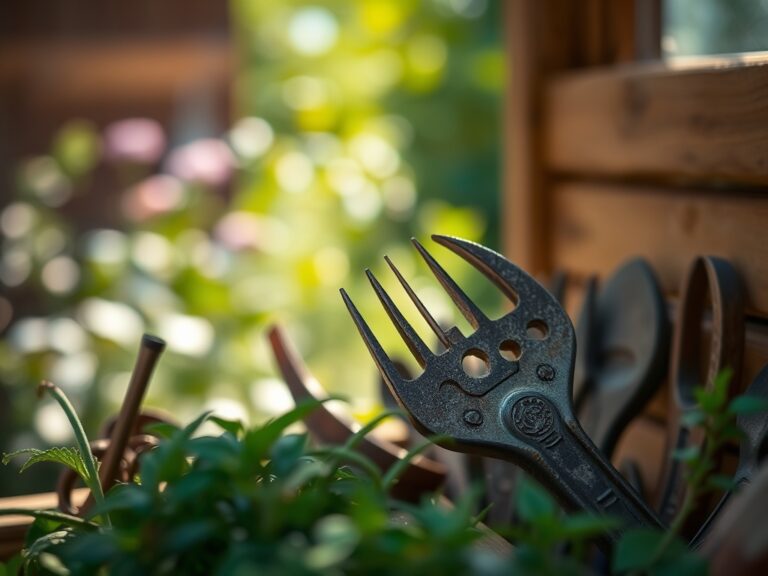
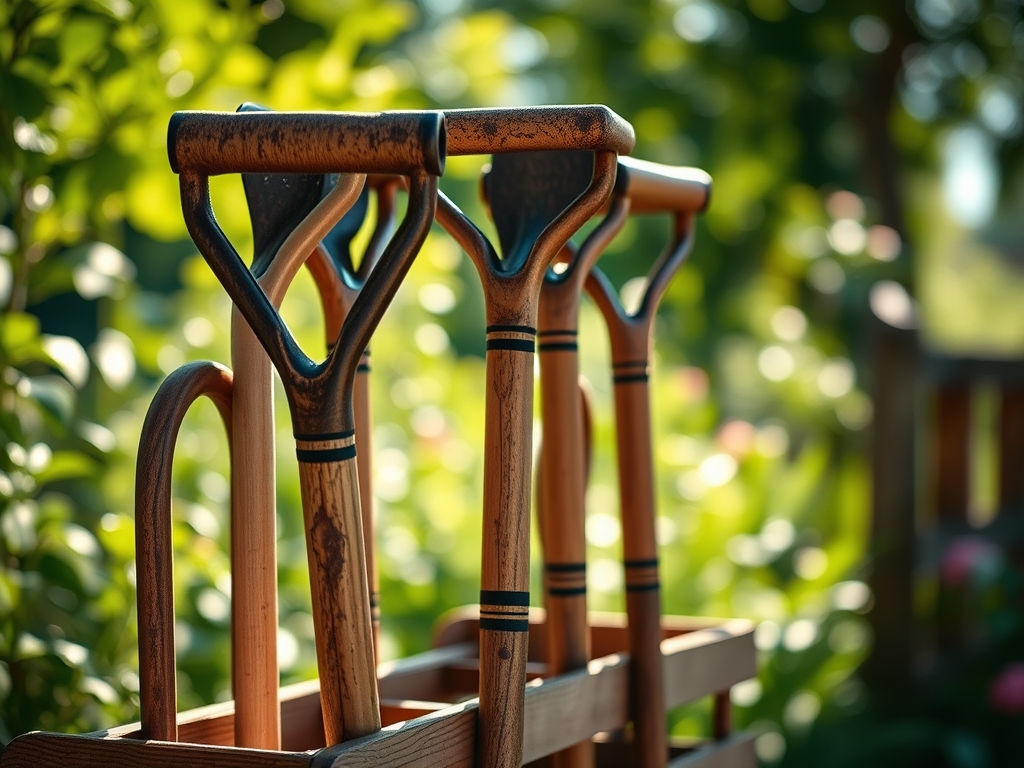
The smell of damp earth and the crisp turgor of a healthy leaf define the success of a season, but that success begins in the tool shed. A shovel caked in dried clay or left to rust on a damp concrete floor loses its edge and structural integrity. Proper organization using the best storage racks for shovels prevents the degradation of ash wood handles and high carbon steel blades. Maintaining a clean workspace ensures that when the soil reaches the optimal 55 degree Fahrenheit temperature for spring planting, your equipment is ready to penetrate the rhizosphere without resistance.
Materials:
While storage racks organize the hardware, the success of the plant depends on the chemical composition of the substrate. For most temperate perennials, an ideal **friable loam** consists of 40 percent sand, 40 percent silt, and 20 percent clay. This texture maximizes the Cation Exchange Capacity (CEC), which is the ability of the soil to hold onto essential positively charged ions like Calcium (Ca2+) and Magnesium (Mg2+).
The NPK ratio must be tailored to the specific growth stage. For initial root establishment, a ratio of 5-10-5 provides the necessary phosphorus for ATP production and cellular division in the root tips. If the soil pH falls below 6.0, phosphorus becomes chemically locked and unavailable to the plant. Conversely, a pH above 7.5 can lead to iron chlorosis. Maintaining a stable pH between 6.2 and 6.8 ensures that the nutrients delivered by your shovel work are actually absorbed by the root hairs.
Timing:
Timing is governed by the Hardiness Zones and the biological clock of the species. In Zones 5 through 7, the window for transplanting woody perennials opens when the plant enters dormancy, typically after the first hard frost when the ground temperature remains above 40 degrees Fahrenheit. This period allows for root growth without the metabolic demand of foliage.
The transition from the vegetative stage to the reproductive stage is triggered by the photoperiod. Short-day plants require a continuous dark period of at least 12 to 14 hours to initiate flowering. If you disrupt this cycle with artificial light, you suppress the production of florigen, the hormone responsible for bloom induction. Monitoring the local frost-date windows ensures that tender seedlings are not exposed to temperatures below 32 degrees Fahrenheit, which causes ice crystals to form within the cell walls, leading to immediate cellular collapse and necrosis.
Phases:

Sowing
Direct sowing requires a seedbed with a fine tilth. Seeds should be planted at a depth generally equal to two to three times their diameter. For small seeds like lettuce, a depth of 1/8 inch is sufficient. Ensure the soil remains consistently moist to facilitate imbibition, the process where the seed absorbs water to activate metabolic enzymes.
Pro-Tip: Use a heat mat to maintain a consistent 70 degree Fahrenheit soil temperature. This accelerates germination by optimizing enzyme activity, a process driven by the biological principle of Q10 temperature coefficient, where metabolic rates double with every 10 degree Celsius increase.
Transplanting
When moving a plant from a container to the field, minimize root disturbance. Dig a hole twice as wide as the root ball but no deeper. This prevents the plant from settling too deep, which can lead to stem rot or oxygen deprivation in the root zone.
Pro-Tip: Dust the root ball with mycorrhizal fungi before backfilling. This creates a symbiotic relationship where the fungi extend the root system's reach, increasing the surface area for water and phosphorus absorption by up to 1,000 percent.
Establishing
The first 21 days are critical for establishment. The plant must overcome transplant shock by maintaining high turgor pressure. Provide shade if the solar radiation exceeds 1,000 micromoles per square meter per second to reduce the transpiration rate while the roots are still limited.
Pro-Tip: Avoid heavy nitrogen fertilization during this phase. High nitrogen levels stimulate auxin suppression in the roots while forcing rapid leaf growth, creating a dangerous imbalance between the water-demanding canopy and the limited root system.
The Clinic:
Physiological disorders often mimic disease but are usually the result of environmental stress or nutrient imbalances.
- Symptom: Interveinal chlorosis on young leaves.
- Solution: This indicates an Iron (Fe) deficiency, often caused by high pH. Apply chelated iron and sulfur to lower the pH to 6.5.
- Symptom: Blossom end rot in tomatoes or peppers.
- Solution: This is a Calcium (Ca) deficiency. It is rarely a lack of calcium in the soil and usually a result of inconsistent moisture levels. Maintain 1.5 inches of water per week to ensure steady calcium transport through the xylem.
- Symptom: Purple tinting on the underside of leaves.
- Solution: This is a Phosphorus (P) deficiency. Check soil temperature; if the soil is below 55 degrees Fahrenheit, the plant cannot move phosphorus efficiently regardless of soil concentration.
Fix-It: For general Nitrogen chlorosis (yellowing of older leaves), apply a water-soluble fertilizer with a 10-5-5 ratio. Nitrogen is mobile within the plant, so the organism pulls it from old growth to support new meristematic development.
Maintenance:
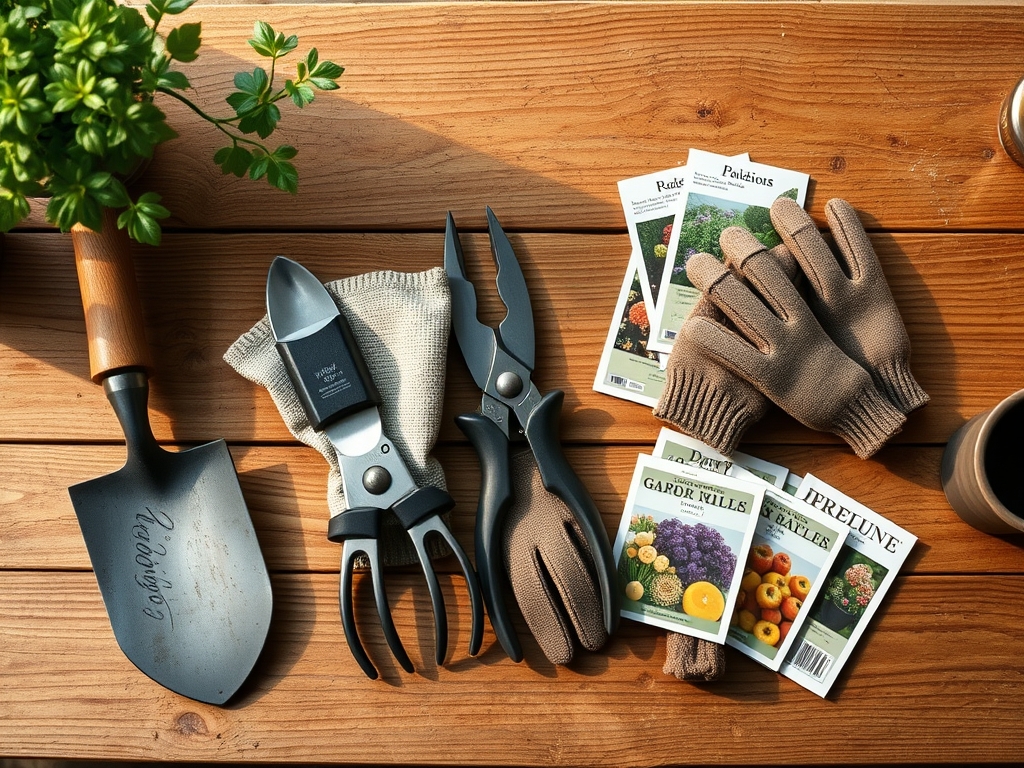
Precision maintenance requires professional-grade tools. Use a soil moisture meter to ensure the root zone stays between 60 percent and 80 percent of field capacity. Most garden crops require 1.5 inches of water per week applied at the drip line to avoid wetting the foliage, which can invite fungal pathogens.
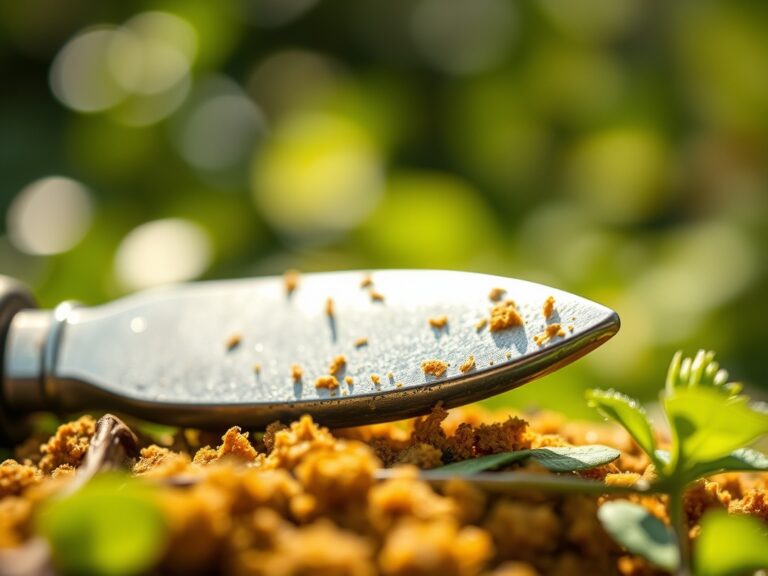
Clean your bypass pruners with a 10 percent bleach solution or isopropyl alcohol between every cut to prevent the transmission of vascular wilts. When removing dead wood, use a hori-hori knife to weed around the base of the plant without damaging the shallow lateral roots. For perennial beds, apply a 3-inch layer of organic mulch to suppress weed seeds and regulate soil temperature fluctuations.
The Yield:
Harvesting is a race against senescence. For leafy greens, harvest in the early morning when turgor pressure is at its peak. This ensures the cells are fully hydrated, providing a crisp texture. For fruiting crops like tomatoes, harvest when the fruit reaches 90 percent color break to avoid cracking from sudden rain events.
Post-harvest handling is vital. Remove field heat immediately by placing produce in a cool, shaded area. For herbs, store stems in a beaker of water at 40 degrees Fahrenheit to maintain cellular respiration at a minimum. This preserves the volatile oils and prevents the degradation of sugars into starches.
FAQ:
What is the best way to store shovels?
Store shovels vertically on a wall-mounted rack with the blades facing upward. This prevents moisture from pooling in the handle socket and keeps the cutting edge sharp. Ensure the rack is located in a low-humidity environment to prevent oxidation.
How do I prevent my shovel handles from cracking?
Rub the wooden handles with boiled linseed oil once per season. This penetrates the grain, creating a water-resistant barrier. Store them away from direct sunlight to prevent UV degradation of the wood fibers and subsequent brittle failure.
Can I store shovels in a bucket of sand?
Yes, a bucket filled with sand and a small amount of motor oil or mineral oil is an effective storage method. The sand scours away rust-inducing debris, while the oil coats the metal to prevent oxygen from reacting with the steel.
Why should I keep my shovels off the floor?
Concrete floors wick moisture through capillary action, which accelerates the rusting of metal blades and the rotting of wooden handles. Elevating tools on a rack ensures proper airflow and prevents the accumulation of corrosive salts and dirt.