10 Best Flowers for Pollinator Gardens
Crush a handful of moist topsoil and you should feel the gritty resistance of sand against the slick plasticity of clay. This tactile balance indicates a high cation exchange capacity, which is the engine room for the best flowers for pollinator gardens. When the turgor pressure in a stem is optimal, the plant stands rigid; its vascular system is fully pressurized to transport sucrose to the nectaries. Successful pollinator habitats are built on this physiological foundation rather than aesthetic whims. You are not just planting colors; you are engineering a biological refueling station. Every petal serves as a landing pad designed for specific wing loadings and proboscis lengths. To maximize the ecological return on your labor, you must synchronize soil chemistry with the metabolic demands of the local insect population. This requires a shift from casual gardening to rigorous botanical management.
Materials:
The foundation of a high-performance pollinator garden is a friable loam with a bulk density that allows for rapid root penetration. For most native species, aim for a soil pH between 6.0 and 7.0. This range ensures that micronutrients like iron and manganese remain bioavailable.
Nutrient requirements vary by growth stage, but a baseline NPK ratio of 5-10-5 is often superior to high-nitrogen fertilizers. Excessive nitrogen triggers rapid vegetative elongation at the expense of floral development; this results in weak cell walls and diminished nectar sugar concentrations. Phosphorus is the critical driver for ATP production and flower initiation. Ensure your substrate contains at least 3 percent organic matter to support the microbial life necessary for nutrient cycling. If your soil is heavy clay, incorporate expanded shale or coarse compost to improve aeration within the rhizosphere.
Timing:
Hardiness zones dictate the survival limits of your perennials. Most high-value pollinator plants thrive in Zones 3 through 9, though specific species selection must align with your local frost-free window. The biological clock of these plants is governed by the photoperiod and growing degree days (GDD).
The transition from the vegetative phase to the reproductive phase is a hormonal shift triggered by day length and accumulated heat. For example, Asclepias species require a period of cold stratification (30 to 60 days at 40 degrees Fahrenheit) to break seed dormancy. Planting too early in cold, saturated soils leads to anaerobic conditions and root rot. Conversely, late planting misses the peak emergence of long-tongued bees and migrating lepidoptera. Aim to have transplants in the ground when soil temperatures consistently reach 55 degrees Fahrenheit at a four-inch depth.
Phases:
Sowing
Direct sow seeds at a depth of one-eighth to one-quarter inch, depending on seed size. Smaller seeds often require light to trigger germination and should be surface-sown and pressed firmly into the soil to ensure good seed-to-soil contact.
Pro-Tip: Maintain consistent surface moisture to prevent the delicate radicle from desiccating. This is critical because the osmotic potential of a germinating seed is low; if the surrounding soil dries out, the seed cannot pull in the water required to activate metabolic enzymes.
Transplanting
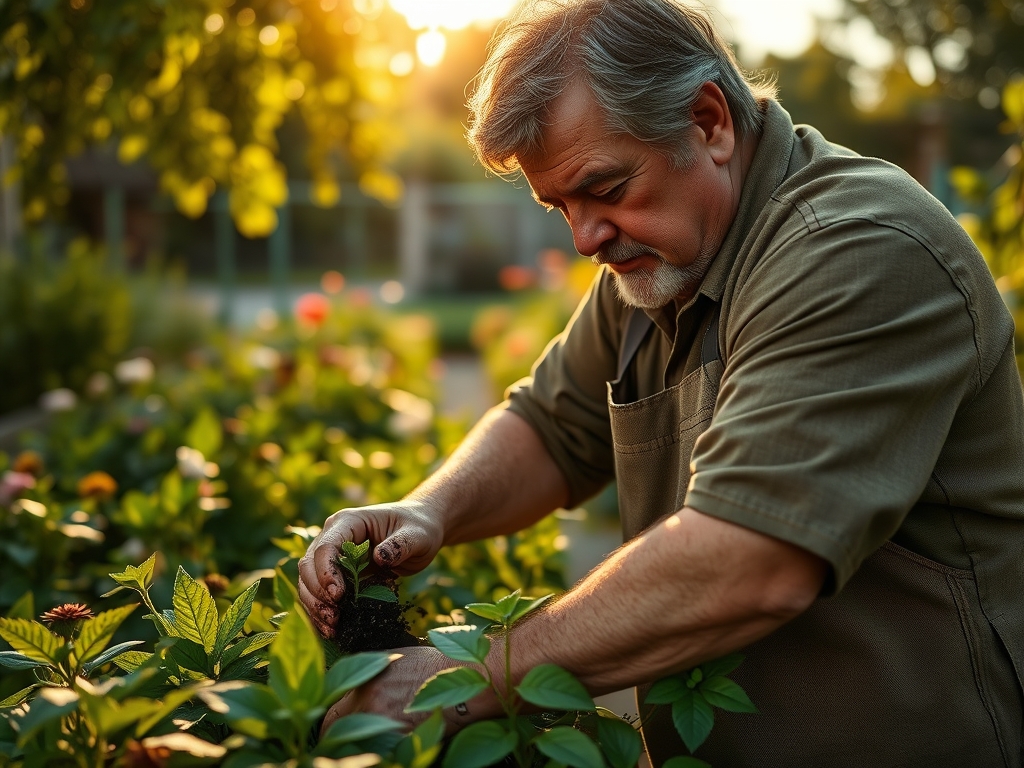
When moving nursery stock, ensure the root ball is saturated. Dig a hole twice the width of the container but no deeper. Position the crown slightly above the soil line to prevent crown rot.
Pro-Tip: Avoid glazing the sides of the planting hole in clay soils. Roughing up the edges allows for better mycorrhizal symbiosis, where beneficial fungi extend the root system's reach, increasing the plant's uptake of phosphorus and water.
Establishing
During the first six weeks, the plant focuses on root architecture rather than upward growth. This is the period of auxin dominance, where the plant prioritizes downward development to secure a water source.
Pro-Tip: Pinching off the first set of flower buds may seem counterintuitive, but it redirects energy from reproduction to root establishment. This auxin suppression in the apical meristem encourages lateral branching, leading to a more robust plant with higher floral density later in the season.
The Clinic:
Physiological disorders often mimic disease but are usually rooted in environmental stress or nutrient imbalances.
Symptom: Interveinal chlorosis (yellowing leaves with green veins) on new growth.
Solution: This indicates an Iron deficiency, often caused by high soil pH. Apply chelated iron or lower the pH using elemental sulfur to a range of 6.2 to 6.5.
Symptom: Leaf margins appearing scorched or "burnt" on older foliage.
Solution: This is a classic sign of Potassium deficiency. Potassium regulates stomatal opening and closing. Supplement with sulfate of potash to restore turgor pressure and drought resistance.
Symptom: Stunted growth and purplish tint on stems and underside of leaves.
Solution: Phosphorus deficiency is common in cold, wet soils where root activity is sluggish. Increase soil temperature with mulch or apply a water-soluble high-phosphorus starter fertilizer.
Fix-It for Nitrogen Chlorosis: If the entire plant is pale green and growth is stalled, apply a low-dose organic nitrogen source. Be precise; exceeding 1 pound of actual nitrogen per 1,000 square feet can attract sap-sucking insects that thrive on the resulting soft, succulent tissue.
Maintenance:
Precision irrigation is the difference between a surviving garden and a thriving one. Deliver 1.5 inches of water per week directly to the drip line using a soaker hose or drip emitters. Avoid overhead irrigation, which increases leaf wetness duration and invites fungal pathogens. Use a soil moisture meter to verify that moisture has penetrated at least six inches deep.
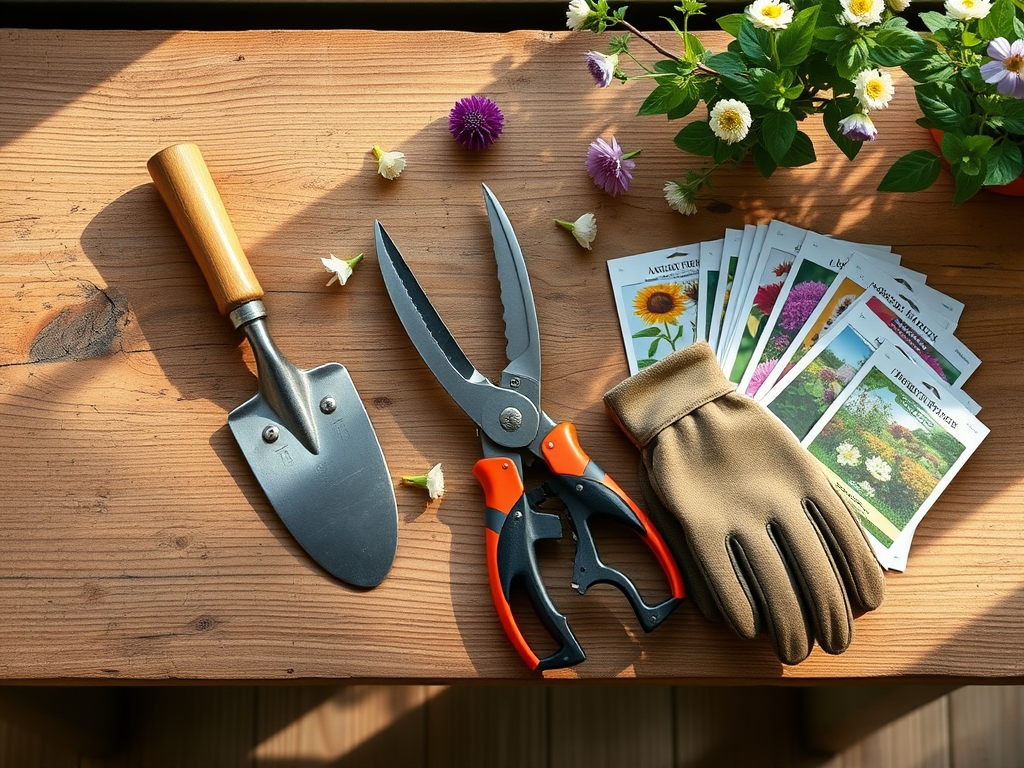
Maintain your tools with the same rigor as your plants. A hori-hori knife is essential for deep weeding and dividing perennials without shattering the root mass. Use bypass pruners for deadheading; make clean cuts at a 45-degree angle just above a lateral bud or leaf node. This promotes "re-blooming" by preventing the plant from entering senescence and shifting energy into seed production. Monitor the mulch layer; keep it at a 2-inch depth to suppress weeds and regulate soil temperature, but keep it clear of the plant stems to prevent localized humidity spikes.
The Yield:
While the primary yield of a pollinator garden is ecological, many species like Echinacea or Monarda offer secondary harvests for floral arrangements or seed collection. For cut flowers, harvest in the early morning when turgor pressure is at its peak. Use a sharp blade to cut stems and immediately plunge them into a bucket of water at 100 degrees Fahrenheit. This "pulsing" technique helps clear air bubbles from the xylem, ensuring the flowers remain hydrated.
If harvesting seeds, wait until the seed heads are completely desiccated and turn brown. Store seeds in a cool, dry environment with a relative humidity below 35 percent. Proper handling ensures the genetic material remains viable for the next planting cycle, maintaining the continuity of your pollinator corridor.
FAQ:
Which flowers provide the highest nectar sugar concentration?
Species like Agastache and Monarda typically produce nectar with high sucrose levels. These plants are metabolically optimized to reward pollinators with high-energy fuel, provided the soil has adequate potassium to manage sugar transport within the plant tissues.
How do I manage the garden without using harsh chemicals?
Focus on Integrated Pest Management (IPM). Maintain plant health to ensure high brix levels, which makes plants less attractive to opportunistic pests. Use physical barriers or targeted botanical oils only when pest thresholds threaten the plant's survival.
Why are my pollinator plants not attracting bees?
Check your cultivar selection. Many "double-flowered" varieties have bred out the stamens and nectaries to create more petals. Stick to straight species or "nativars" that retain the original floral morphology required for insect access.
Can I grow a pollinator garden in heavy clay?
Yes, but you must improve macropore space. Incorporate organic matter and use a broadfork to aerate the soil without flipping the horizons. Select deep-taprooted species like Liatris that can penetrate compacted layers and improve soil structure over time.