10 Vital Steps to Sharpen Lawnmower Blades
The scent of crushed chloroplasts and damp earth signifies a clean cut; however, a dull edge tears the grass blade, shattering the cell walls and inducing unnecessary moisture loss. When you master the steps to sharpen lawnmower blades, you preserve the turgor pressure within the xylem, preventing the ragged, brown tips that invite fungal pathogens. A jagged cut increases the surface area of the wound, forcing the plant to divert metabolic energy from root development to wound repair. In high humidity environments, these frayed edges become entry points for Sclerotinia homoeocarpa, commonly known as dollar spot. By maintaining a surgical edge, you ensure the grass undergoes rapid cicatrization. This botanical recovery is essential for maintaining a dense turf canopy that suppresses weed germination through shading. Precision in the workshop translates directly to the health of the rhizosphere. A sharp blade reduces the mechanical load on the engine and ensures the grass recovers its verticality within hours of the pass.
Materials:
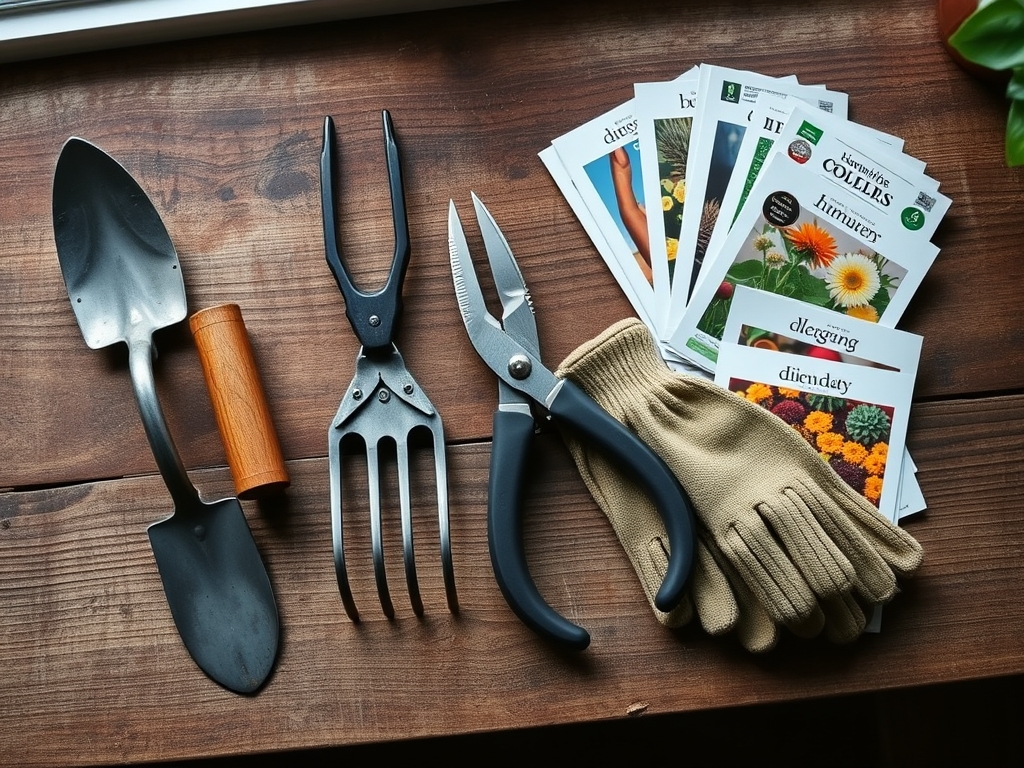
Before addressing the steel, analyze the substrate where your turf resides. For a lawn to thrive, the soil should be a **friable loam** with a **Cation Exchange Capacity (CEC) between 15 and 25**. If your soil pH falls below **6.0**, nutrient lockout occurs. Maintain a pH of **6.5 to 7.0** to ensure maximum bioavailability of Nitrogen, Phosphorus, and Potassium. During the active growing season, apply a fertilizer with an **NPK ratio of 4-1-2**. This specific balance supports foliar growth without overstimulating the plant to the point of structural weakness. You will need a **10-inch mill bastard file**, an angle grinder with a **60-grit flap disc**, a blade balancer, and a torque wrench. Safety requires heavy leather gloves and eye protection to shield against metal particulates.
Timing:
Lawn maintenance schedules must align with USDA Hardiness Zones. In Zones 4 through 6, the primary sharpening window occurs in late March, before the first flush of spring growth. For Zones 8 through 10, where warm-season grasses like Bermuda or St. Augustine dominate, sharpening should occur every 25 hours of operation. Observe the biological clock of your turf; as the plant transitions from the vegetative stage to the reproductive stage (heading out), the silica content in the stems increases. This harder tissue dulls blades faster than the succulent growth seen in early spring. Perform your final sharpen of the year after the grass enters senescence following the first hard frost.
Phases:

Sowing the Foundation: Disconnection and Removal
The first step in the steps to sharpen lawnmower blades is safety. Disconnect the spark plug wire to prevent accidental combustion. Tilt the mower with the air filter facing upward to prevent oil from saturating the carburetor. Use a 15/16-inch socket to remove the mounting bolt. If the bolt is seized, apply a penetrating oil and allow it to sit for ten minutes to break the oxidation layer.
Pro-Tip: Proper orientation prevents oil from entering the combustion chamber. If oil leaks into the cylinder, it can cause "hydrolock," preventing the piston from completing its stroke and potentially damaging the connecting rod.
Transplanting the Edge: Grinding and Filing
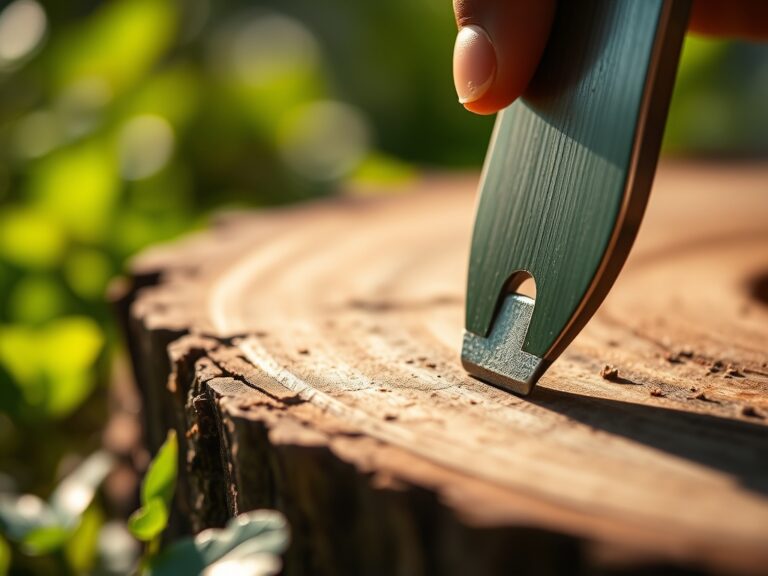
Secure the blade in a bench vise. Follow the original 30-degree bevel angle. If using an angle grinder, move the disc across the metal in fluid, continuous strokes to prevent localized overheating. Excessive heat will "blue" the steel, ruining the temper and making the edge brittle. Finish the edge with a hand file to remove burrs. The edge should be as sharp as a butter knife; a razor edge is too thin and will chip upon contact with small debris.
Pro-Tip: Maintaining the factory bevel angle is vital for aerodynamic lift. This lift creates a vacuum that pulls the grass upright before the cut, ensuring a uniform height and preventing "stragglers" that disrupt the photoperiod reception of the lower canopy.
Establishing Balance: Testing and Reinstallation
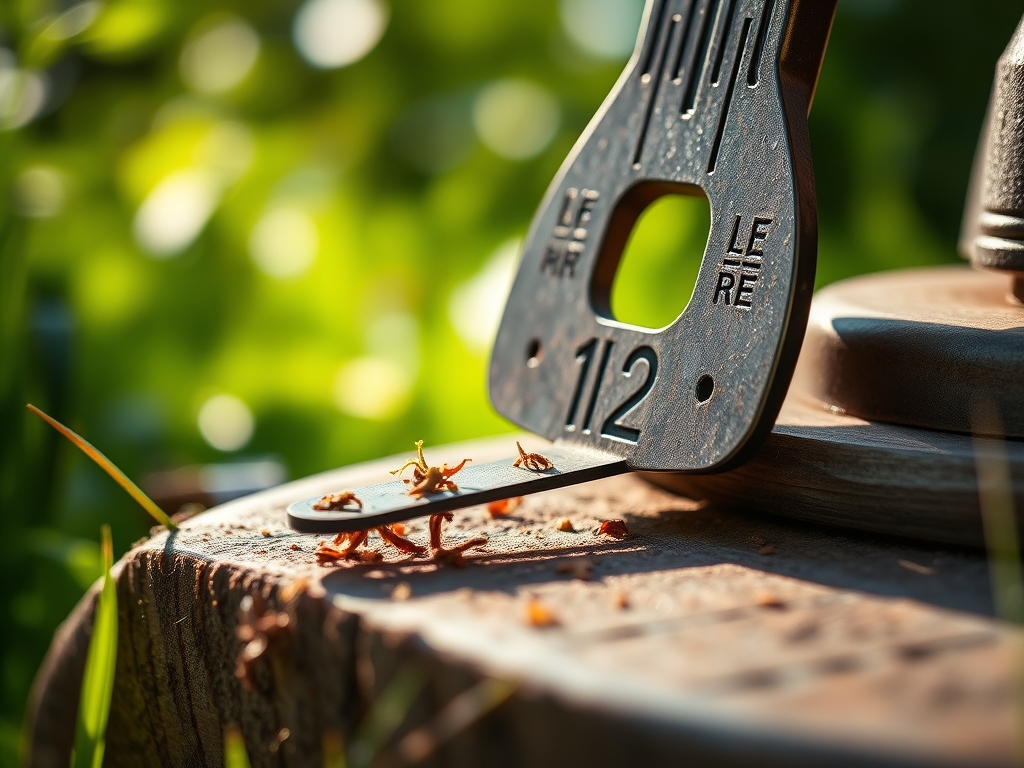
Place the blade on a cone balancer. If one side dips, remove more metal from the heavy end's trailing edge, not the cutting edge. An unbalanced blade rotating at 3,000 RPM creates centrifugal force that destroys the engine's main bearings and causes excessive vibration. Reinstall the blade and tighten the bolt to the manufacturer's specification, typically 50 to 60 foot-pounds.
Pro-Tip: Balancing the blade prevents mechanical resonance. High-frequency vibration can lead to soil compaction over time if the mower deck is heavy, which negatively impacts the oxygen diffusion rate in the upper two inches of the soil profile.
The Clinic:
Turf grass exhibits specific physiological disorders when maintenance or nutrition is neglected.
Symptom: White, frayed leaf tips.
Solution: This is the primary indicator of dull blades. The mechanical shredding of the tip leads to rapid desiccation. Sharpen the blade immediately to restore a clean transverse cut across the leaf blade.
Symptom: Interveinal chlorosis (yellowing between green veins).
Fix-It: This indicates an Iron deficiency, often caused by high soil pH (above 7.5). Apply chelated iron or elemental sulfur to lower the pH and increase nutrient mobility.
Symptom: Stunted growth and purplish tint on older leaves.
Fix-It: This is a classic Phosphorus deficiency. Ensure your NPK ratio includes a higher middle number, such as a 10-20-10 starter fertilizer, to support ATP production and root elongation.
Symptom: Necrotic spots with a "smoke ring" border.
Solution: This is Brown Patch (Rhizoctonia solani). Reduce nitrogen applications and avoid evening watering to lower the humidity within the turf canopy.
Maintenance:
Precision irrigation is as critical as blade sharpness. Deliver 1.5 inches of water per week in a single morning session to encourage deep root penetration. Use a soil moisture meter to verify that the water reaches a depth of six inches. For precision edging around ornamental beds, use a hori-hori knife to cut through invasive rhizomes. When pruning woody shrubs near the lawn, use bypass pruners to ensure a clean cut that mimics the surgical precision of your sharpened mower blade. Avoid "anvil" style pruners which crush the vascular cambium.
The Yield:
While turf is not harvested for consumption, the "yield" is measured in biomass and carbon sequestration. For those growing forage or "lawn tea" (compost tea), harvest the clippings when the grass is dry and the sugar content is highest, typically in late afternoon. Ensure the clippings are free of weed seeds. Use a high-carbon source like dried leaves to balance the high-nitrogen clippings in your compost pile, aiming for a 30:1 C:N ratio. This creates a nutrient-dense top-dressing that improves soil structure and water holding capacity.
FAQ:
How often should I sharpen my mower blades?
Sharpen your blades every 25 hours of use or at least twice per season. If you hit rocks or large branches, inspect the edge immediately for nicks. Dull blades tear grass, leading to disease and moisture stress.
Can I use a bench grinder to sharpen blades?
Yes, a bench grinder is efficient for removing large nicks. However, be careful not to overheat the steel. Keep a bucket of water nearby to quench the blade frequently, preserving the metal's tempered hardness and structural integrity.
How do I know if my blade is balanced?
Use a specialized blade balancer cone. If the blade tilts to one side, that side is heavier. Remove small amounts of metal from the heavy side's non-cutting edge until the blade sits perfectly level on the cone.
What happens if I mow with a dull blade?
A dull blade shreds the grass, creating a large wound. This causes the plant to lose water rapidly and provides an entry point for pathogens. It also creates a brown "sheen" across the lawn, indicating cellular necrosis.