8 Simple Ways How to Fix Leaky Sprayers
The smell of damp earth and the scent of crushed cellulose define a productive garden; however, a malfunctioning delivery system disrupts the turgor pressure essential for plant health. When a pressurized canister fails, the resulting puddles waste expensive foliar feeds and compromise the precision required for delicate botanical applications. Learning how to fix leaky sprayers is a fundamental skill for maintaining the physiological integrity of your collection. A sprayer that drips at the nozzle or loses pressure at the pump prevents the uniform distribution of nutrients across the leaf surface. This inefficiency leads to uneven growth and potential localized toxicity. By mastering the mechanics of seals, O-rings, and pressure valves, you ensure that every milliliter of solution reaches the rhizosphere or the stomata as intended. Precision in irrigation and fertilization is not a luxury; it is a requirement for maximizing photosynthetic efficiency and ensuring the structural stability of the plant vascular system.
Materials:
To maintain a high-functioning garden, you must first understand the substrate. A **friable loam** with a **Cation Exchange Capacity (CEC) of 15 to 25 milliequivalents per 100 grams** provides the ideal foundation. This soil texture allows for optimal pore space, facilitating the movement of oxygen to the roots. When preparing your garden for the season, aim for a **soil pH between 6.2 and 6.8** to ensure nutrient bioavailability.
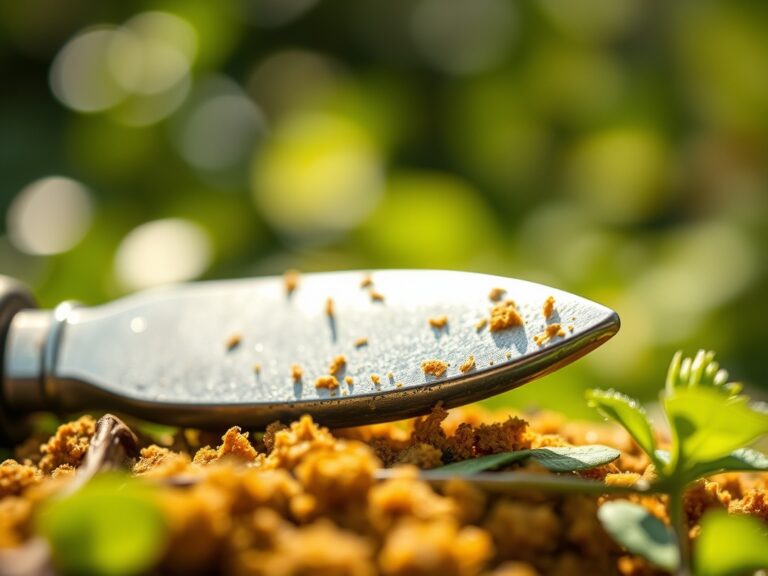
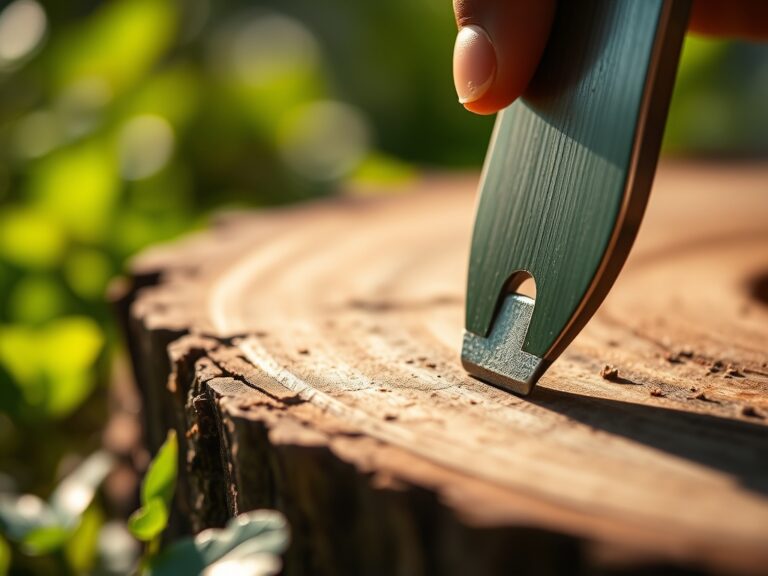
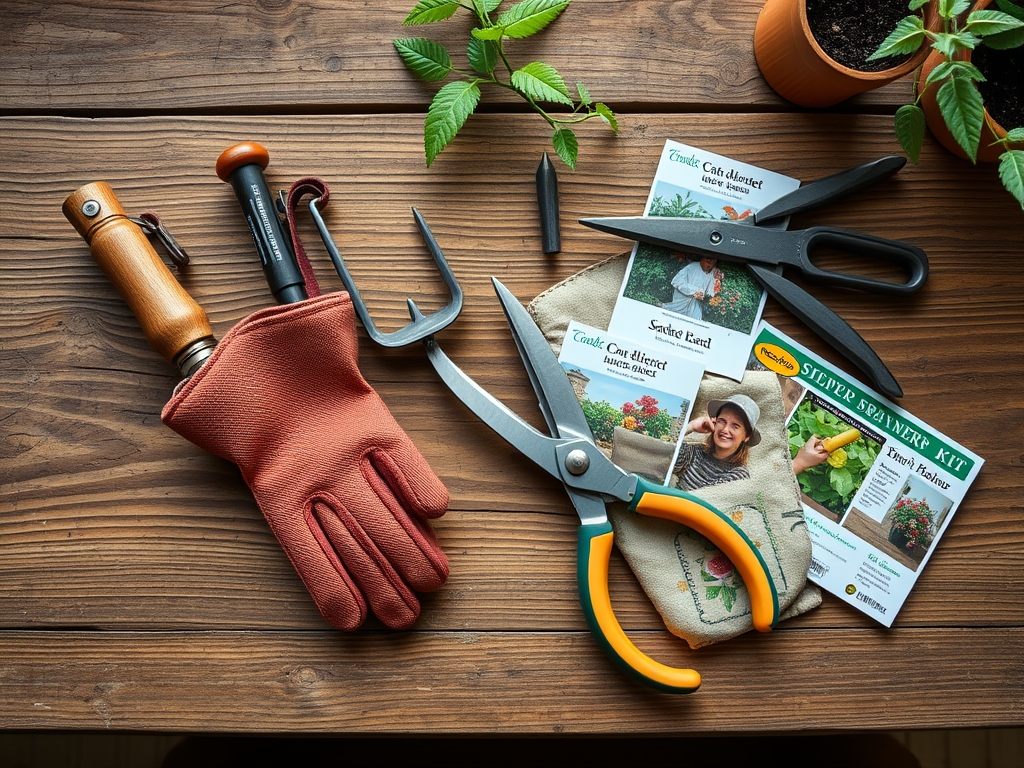
For the vegetative stage, utilize an NPK ratio of 3-1-2 to support rapid leaf development and chlorophyll production. As the plant transitions to the reproductive phase, shift to a 1-2-2 ratio to prioritize root strength and floral development. High phosphorus levels are critical during this period to support the energy-intensive process of seed and fruit production. Keep a kit of replacement nitrile O-rings, silicone lubricant, and a set of needle-nose pliers on hand. These tools are as essential as your hori-hori knife for maintaining a professional-grade operation.
Timing:
Successful cultivation depends on the strict adherence to the frost-date windows of your specific USDA Hardiness Zone. In Zones 5 through 7, the transition from the last spring frost to the first autumn freeze provides a limited window for high-performance growth. The "Biological Clock" of the plant is governed by the photoperiod, which triggers the transition from vegetative growth to reproductive senescence.
During the vegetative stage, the plant focuses on increasing its biomass through cell division and elongation. As the days shorten, the plant shifts its hormonal balance, increasing the production of abscisic acid to prepare for dormancy or seed dispersal. You must calibrate your sprayer maintenance to these cycles. Fix any leaks before the peak summer heat, when plants require consistent turgor pressure to survive high transpiration rates. A sprayer failure during a heatwave can lead to permanent wilting point within hours.
Phases:

Sowing
Begin by ensuring the seedbed is moist but not saturated. Seeds require a specific moisture threshold to trigger imbibition, the process where the seed coat absorbs water to activate metabolic processes. Use a fine-mist sprayer to avoid displacing small seeds.
Pro-Tip: Maintaining consistent moisture prevents the hardening of the seed coat. This ensures that the radicle can emerge without excessive energy expenditure, a process governed by the internal osmotic pressure of the seed.
Transplanting
When moving seedlings from a controlled environment to the field, minimize root disturbance to protect the rhizosphere. The fine root hairs are responsible for the majority of water uptake; damaging them leads to transplant shock. Apply a diluted seaweed extract using a functional sprayer to provide cytokinins that encourage root branching.
Pro-Tip: Apply mycorrhizal inoculants during this phase. These fungi form a symbiotic relationship with the roots, effectively increasing the surface area for nutrient absorption through a network of hyphae.
Establishing
Once the plant is in the ground, focus on deep root penetration. Use a soil moisture meter to verify that water is reaching a depth of 6 to 8 inches. A functional sprayer is vital for applying micronutrients like boron and magnesium directly to the foliage for rapid uptake.
Pro-Tip: Use auxin suppression techniques, such as pinching off the apical meristem, to encourage lateral branching. This redirects the plant's energy from vertical growth to a bushier, more stable architecture.
The Clinic:
Physiological disorders often mimic pathogen attacks but are frequently rooted in mechanical or nutritional failures.
- Nitrogen Chlorosis: Symptoms include the yellowing of older, lower leaves while the veins remain green. Fix this by applying a high-nitrogen liquid fertilizer (e.g., 10-0-0) using a repaired sprayer for immediate foliar absorption.
- Blossom End Rot: This is a calcium deficiency often caused by inconsistent watering. Ensure the sprayer delivers a steady 1.5 inches of water per week to facilitate the transport of calcium through the xylem.
- Tip Burn: Often seen in lettuce, this indicates a localized calcium deficiency during high transpiration. Maintain high humidity around the canopy using a fine misting setting on your sprayer.
- Interveinal Chlorosis: This indicates a magnesium deficiency. Apply Epsom salts (magnesium sulfate) at a rate of 1 tablespoon per gallon of water directly to the foliage.
Maintenance:
A professional garden requires rigorous maintenance protocols. Use bypass pruners to remove necrotic tissue, which prevents the spread of saprophytic organisms. Irrigation must be precise; apply 1.5 inches of water per week at the drip line to ensure the entire root zone is hydrated.
Check your sprayer's pump handle for resistance. If the handle bounces back, the check valve at the bottom of the pump cylinder is likely fouled with debris. Remove the cylinder and clean the rubber flap. Lubricate all moving parts with 100% silicone grease to prevent the degradation of rubber seals. Never store chemicals in the sprayer; the caustic nature of some fertilizers will accelerate the senescence of the plastic and rubber components.
The Yield:
Harvesting is the culmination of the plant's life cycle. For leafy greens, harvest in the early morning when turgor pressure is at its peak. This ensures the leaves are crisp and have a longer shelf life. For fruiting bodies, use the "ground color" as an indicator of physiological maturity.
Post-harvest handling is critical. Submerge harvested produce in 40-degree Fahrenheit water to remove field heat rapidly. This slows down the respiration rate and preserves the sugars and acids within the plant tissue. For flowers, use sharp bypass pruners to make a 45-degree cut, maximizing the surface area of the xylem for water uptake.
FAQ:
How do I stop a sprayer nozzle from dripping?
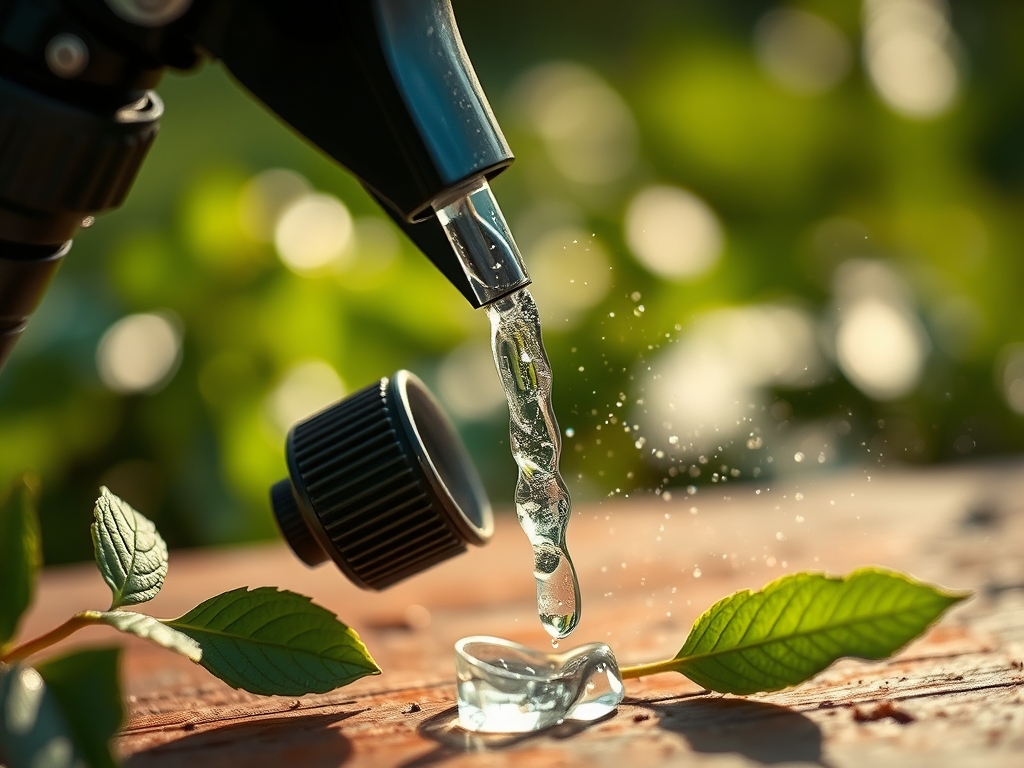
Disassemble the nozzle and check for grit in the orifice. If the internal O-ring is cracked or compressed, replace it with a nitrile O-ring of the same diameter. Apply silicone lubricant to ensure a watertight seal.
Why is my pump sprayer not building pressure?
The primary culprit is a dry or worn plunger cup inside the pump cylinder. Apply silicone grease to the leather or rubber cup to create a vacuum. If the cup is torn, the sprayer cannot compress air.
How do I fix a leak at the trigger handle?
The shut-off valve inside the handle contains a spring and a small seal. If the sprayer leaks continuously, the valve is stuck open by debris or a weakened spring. Clean the internal housing and replace the viton seal.
Can I use WD-40 to lubricate my sprayer?
No. Petroleum-based lubricants like WD-40 will cause the rubber O-rings and seals to swell and eventually disintegrate. Use only silicone-based lubricants to maintain the integrity of the sprayer's internal components and ensure long-term functionality.