7 Natural Ways How to Design a Woodland Garden
The smell of decaying organic matter and the damp scent of geosmin rising from the forest floor signal a high-functioning ecosystem. A healthy woodland leaf maintains high turgor pressure through efficient water transport in the xylem; it feels cool and firm to the touch. Learning how to design a woodland garden requires a shift from traditional manicured aesthetics to a focus on vertical layering and soil biology. You are not merely planting trees; you are engineering a multi-story habitat that manages light infiltration and nutrient cycling. Success depends on mimicking the natural stratification of a forest: the overstory, the understory, the shrub layer, and the herbaceous ground layer. By prioritizing the rhizosphere and the interaction between root systems and fungal networks, you create a self-sustaining environment. This process demands a technical understanding of shade density and the specific moisture requirements of temperate flora. Every decision, from the selection of canopy species to the placement of delicate ferns, must be grounded in the physiological needs of the plants and the chemical composition of the substrate.
Materials:
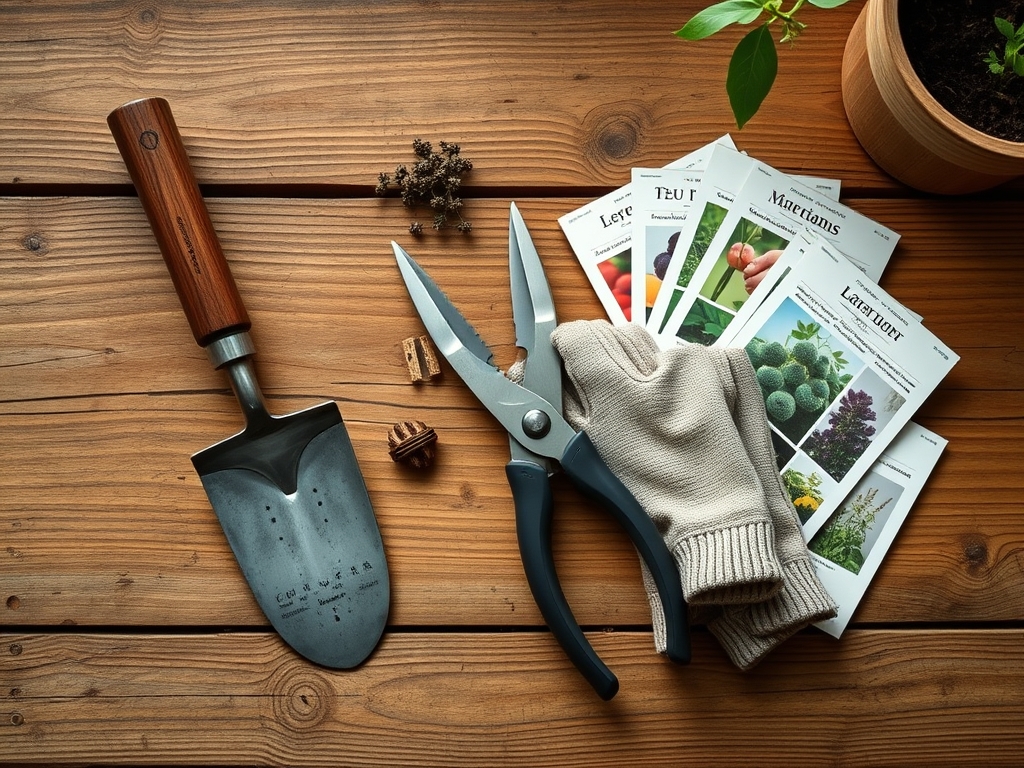
The foundation of a woodland garden is a friable loam with a high percentage of partially decomposed leaf mold. This substrate must have a high Cation Exchange Capacity (CEC) to retain essential nutrients like potassium and magnesium. Aim for a soil pH between 5.5 and 6.5; most woodland species are acidophilic.
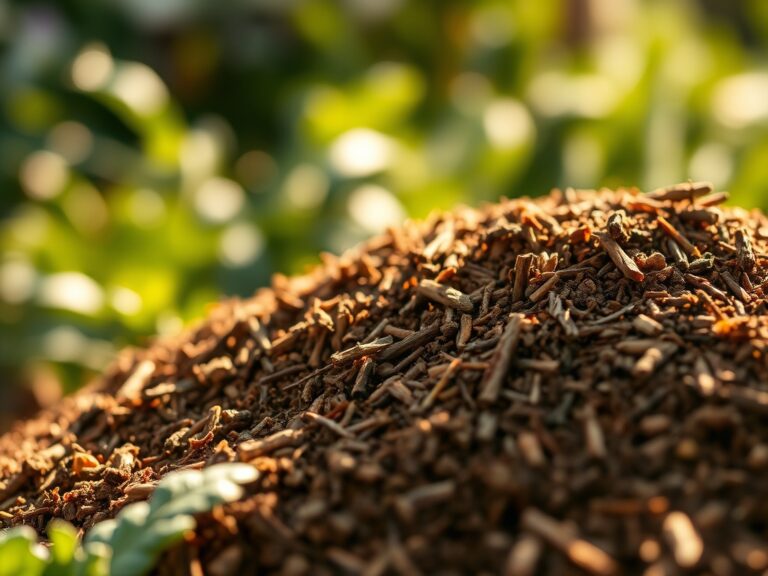
For the establishment phase, utilize an organic fertilizer with an NPK ratio of 4-3-2. High nitrogen levels are unnecessary and can lead to weak, leggy growth in low-light conditions. Instead, focus on phosphorus for root development and potassium for cellular health. You will need a bulk supply of arborist wood chips or shredded hardwood mulch to maintain a consistent 3-inch layer across the site. This mulch layer suppresses weed germination and regulates soil temperature. Ensure you have access to a soil moisture meter to monitor the transition zone between the organic duff and the mineral soil.
Timing:
Hardiness Zones 4 through 8 provide the ideal climatic conditions for most temperate woodland species. The primary planting window opens in early autumn, approximately six weeks before the first hard frost. This timing allows for root establishment without the metabolic stress of high transpiration rates. Alternatively, early spring planting is effective if completed before the vernal equinox, allowing plants to take advantage of the spring moisture surge.
The "Biological Clock" of a woodland garden is governed by the photoperiod. Many woodland perennials are "ephemerals," meaning they complete their entire reproductive cycle in the brief window between soil warming and canopy leaf-out. You must synchronize your planting schedule to ensure these species are in the ground before they exit dormancy. If you miss this window, the plant may skip its vegetative stage and enter premature senescence.
Phases:

Sowing and Site Preparation
Clear the area of invasive species using mechanical methods to avoid disrupting soil microbes. Focus on the "Chop and Drop" method for native weeds to return biomass to the earth. Test the soil at a 6-inch depth to determine baseline nutrient levels. If the soil is compacted, use a broadfork to aerate without inverting the soil horizons.
Pro-Tip: Maintaining soil structure preserves the mycorrhizal symbiosis. These fungal networks extend the root reach by up to 100 times, allowing plants to access deep-seated phosphorus and water that would otherwise be unavailable.
Transplanting the Understory
When placing shrubs and small trees like Cornus florida or Cercis canadensis, dig a hole twice as wide as the root ball but no deeper. Position the root flare slightly above the soil line to prevent bark rot. Backfill with native soil rather than heavily amended potting mix to encourage roots to venture into the surrounding environment.
Pro-Tip: Observe the orientation of the plant in relation to the sun. Phototropism causes plants to grow toward light sources; aligning a transplant with its original nursery orientation reduces "transplant shock" by maintaining consistent light exposure on the leaf cuticle.
Establishing the Ground Layer
Install ferns, sedges, and wildflowers in drifts rather than straight lines. Space plants based on their mature spread to ensure full coverage within three seasons. Water each transplant immediately with 1 gallon of water to settle the soil and eliminate air pockets around the roots.
Pro-Tip: High-density planting in the ground layer utilizes auxin suppression. As the canopy fills in, the reduction in blue light spectrum signals the ground plants to broaden their leaves, maximizing photosynthetic efficiency in deep shade.
The Clinic:
Woodland plants are susceptible to specific physiological stressors. Monitor these symptoms closely:
- Symptom: Interveinal Chlorosis. The leaf remains green along the veins while the rest of the blade turns yellow.
- Solution: This typically indicates an Iron or Manganese deficiency caused by high pH. Apply chelated iron or elemental sulfur to lower the pH to the 6.0 range.
- Symptom: Marginal Leaf Burn. The edges of the leaves appear scorched or brown.
- Solution: This is often a sign of potassium deficiency or salt accumulation. Flush the area with clean water and apply a low-salt kelp meal.
- Symptom: Powdery Mildew. A white, flour-like substance covers the leaf surface.
- Solution: Increase airflow by selective pruning of the mid-story. Ensure you are watering at the soil level, not the foliage, to reduce humidity in the microclimate.
Fix-It: For general Nitrogen chlorosis (entire leaf turning pale green), top-dress with 1 inch of composted manure. This provides a slow-release nitrogen source that won't burn delicate woodland roots.
Maintenance:
A woodland garden requires precision. Deliver 1.5 inches of water per week at the drip line of your trees during the first two years of establishment. Use a soil moisture meter to verify that the moisture has penetrated 4 inches deep.
Pruning should be minimal and purposeful. Use bypass pruners for small stems and a hori-hori knife for weeding and dividing perennials. Always sanitize tools with 70 percent isopropyl alcohol between plants to prevent the spread of pathogens. In late winter, remove dead or diseased wood to prevent the buildup of fungal spores. Leave fallen leaves in place; they are the primary source of nutrients for the decomposer community that fuels your garden's growth.
The Yield:
If your woodland garden includes ramps (Allium tricoccum) or goldenseal, harvest timing is critical. For ramps, harvest only 10 percent of a colony once the leaves are fully expanded but before the flower stalk appears. Use a sharp knife to cut the leaf, leaving the bulb in the ground to ensure future growth. For floral yields like Hellebores, cut the stems when the stamens are visible but before the seed pods form. To maintain "day-one" freshness, immediately submerge the cut ends in 40-degree Fahrenheit water to maintain high cellular turgor.
FAQ:
How much light do woodland plants actually need?
Most species require 2 to 4 hours of dappled sunlight. Filtered light through a high canopy provides enough PAR (Photosynthetically Active Radiation) for shade-tolerant species to thrive without scorching the leaf tissue.
Can I build a woodland garden in a small yard?
Yes. Focus on the vertical transition. Use a single focal tree as the canopy and layer smaller shrubs and perennials beneath it. This mimics the structural complexity of a forest in a condensed footprint.
What is the best mulch for a woodland setting?
Use shredded leaf mold or aged pine bark. These materials break down into humus, which improves soil structure and supports the cation exchange necessary for nutrient uptake in acid-loving plants.
How do I handle poor drainage in a shaded area?
Incorporate organic matter to improve macropores in the soil. If the area remains anaerobic, install a French drain or plant water-tolerant species like Carex or Typha to manage the excess moisture.