5 Best Cleaners for Sap Removal
Damp earth carries the scent of geosmin and decaying organic matter; it is the smell of a functional rhizosphere. When a tree is pruned or wounded, the internal turgor pressure forces oleoresins and latex through the vascular cambium to seal the injury. This sticky exudate, while essential for the plant's defense against pathogens, creates a management challenge for tools and skin. Selecting the best cleaners for sap removal requires an understanding of organic chemistry and solvent polarity. Hydrophobic resins do not dissolve in water; they require lipophilic agents to break the molecular bonds. In a high-production orchard or a managed woodland, sap accumulation on bypass pruners leads to friction and poor cuts. These jagged wounds increase the risk of fungal infection. A clean cut is a scientific necessity for rapid compartmentalization of decay in woody plants.
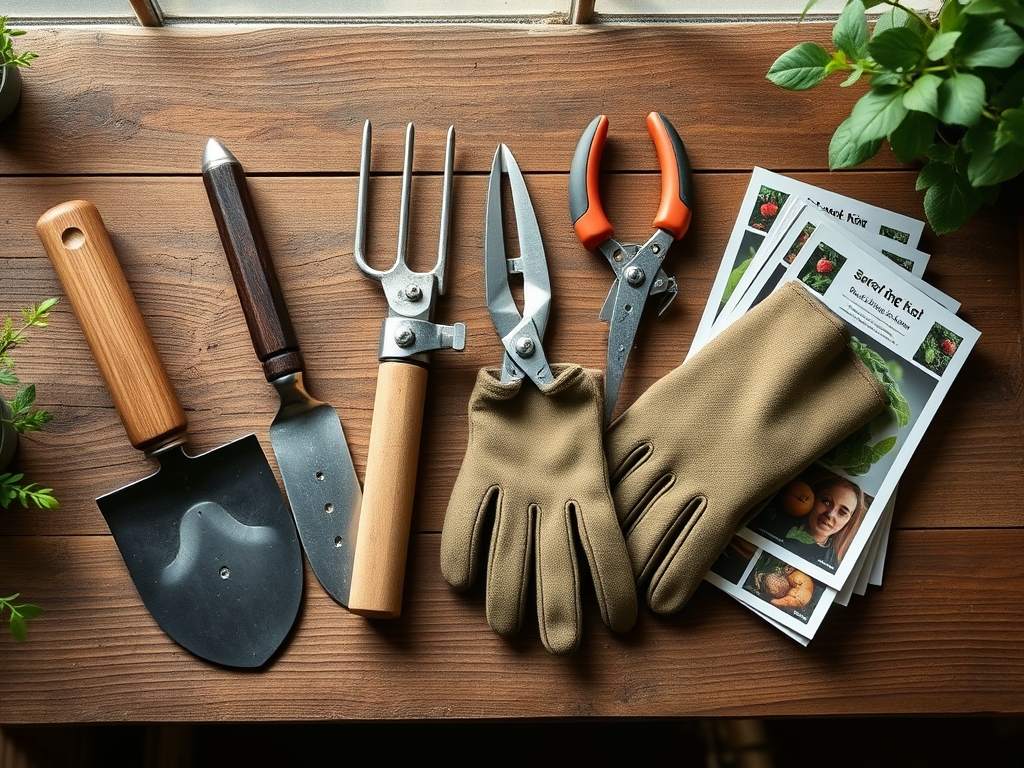
Materials:
Managing sap-producing species begins with the soil. For optimal health and manageable sap viscosity, maintain a **soil pH between 6.0 and 6.5**. The ideal substrate is a **friable loam** with a high Cation Exchange Capacity (CEC) of **15 to 25 meq/100g**. This ensures the plant can access micronutrients without stress-induced sap surging. Use a balanced NPK ratio of **10-10-10** for general maintenance, or a **5-10-15** ratio for woody perennials to encourage lignification over excessive succulent growth. High nitrogen levels (above 20 percent) can lead to thin cell walls and excessive sap flow during pruning. Ensure the soil contains at least **5 percent organic matter** to regulate moisture levels and prevent the hydraulic spikes that cause bark splitting.
Timing:
Timing your intervention is critical for both the plant and the gardener. In Hardiness Zones 5 through 8, the primary pruning window occurs during dormancy, typically between late January and early March. This is before the "Biological Clock" triggers the transition from the dormant vegetative state to the active reproductive stage. As temperatures rise above 40 degrees Fahrenheit, sap begins to move upward through the xylem. Pruning during this window results in the highest sap volume. For species like Acer (Maple) or Betula (Birch), the sap pressure is so high that "bleeding" is inevitable. To minimize cleaning labor, schedule heavy maintenance when the photoperiod is shortest and the plant is in full senescence. Avoid pruning during the spring flush when auxin levels are peaking and the bark is "slipping."
Phases:

Sowing and Site Preparation
Before the first seed hits the soil, the site must be cleared of resinous debris. Use a hori-hori knife to slice through compacted roots and remove old stumps that may still be leaching pitch. If the soil is heavy clay, incorporate gypsum at a rate of 40 pounds per 1,000 square feet to improve flocculation.
Pro-Tip: Proper spacing prevents the physical abrasion of branches. When branches rub, they create "stress sap." This is a biological response to mechanical wounding where the plant redirects energy to produce defensive resins rather than biomass.
Transplanting
When moving a sap-heavy specimen, maintain the integrity of the root ball to prevent hydraulic shock. Dig a hole two times wider than the root mass but no deeper. This ensures the structural roots remain near the surface for oxygen exchange.
Pro-Tip: Mycorrhizal symbiosis is essential during this phase. Applying a fungal inoculant to the rhizosphere increases the surface area for water absorption, which stabilizes the plant's internal turgor and prevents the erratic sap production associated with drought stress.
Establishing and Tool Maintenance
As the plant establishes, regular pruning is required to maintain a central leader. This is when the best cleaners for sap removal become vital. Isopropyl alcohol at a 70 percent concentration is the baseline for disinfecting and dissolving light resins. For heavy pine pitch, use a citrus-based solvent or mineral oil to break down the hydrocarbons.
Pro-Tip: Always wipe blades dry after cleaning. This prevents the oxidation of the steel. Biological auxin suppression occurs when a clean, sharp cut is made; a dull, sap-coated blade crushes the phloem, delaying the plant's ability to seal the wound.
The Clinic:
Physiological disorders often manifest through abnormal sap production.
Symptom: Gummosis (Oozing amber-colored sap from the trunk).
Solution: This is often a sign of Cytospora canker or mechanical injury. Increase air circulation and ensure the soil is not waterlogged.
Symptom: White, crusty residue on stems.
Solution: This is frequently dried sap from insect boring or scale infestation. Use a soil moisture meter to ensure the plant is not under drought stress, which makes it more susceptible to pests.
Fix-It for Nitrogen Chlorosis: If leaves are pale yellow and sap flow is weak, the plant likely lacks nitrogen. Apply a quick-release 21-0-0 ammonium sulfate fertilizer at a rate of 0.5 pounds of actual nitrogen per 1,000 square feet. Monitor the plant for 14 days to observe the return of dark green pigments and normalized sap viscosity.
Maintenance:
Precision is the hallmark of a master horticulturist. Deliver 1.5 inches of water per week at the drip line; do not water the trunk, as this encourages fungal pathogens. Use bypass pruners for any live wood, as anvil pruners crush the vascular tissue. For sap removal on these tools, apply a thin layer of linseed oil after cleaning to create a hydrophobic barrier. This prevents future sap from bonding directly to the metal. Check soil compaction annually using a penetrometer; readings above 300 psi indicate the need for core aeration to maintain root respiration.
The Yield:
When harvesting resinous herbs or timber, timing is everything. For maximum essential oil content, harvest in the early morning when turgor pressure is at its peak but before the sun evaporates volatile compounds. Use a sharp, clean blade to minimize the surface area of the cut. Post-harvest, place stems immediately in 40-degree Fahrenheit water to slow the rate of senescence. This rapid cooling "locks in" the moisture and prevents the sap from hardening, which preserves "day-one" freshness for transport or processing.
FAQ:
What is the best solvent for hardened pine sap?
Isopropyl alcohol at 70 percent or 91 percent concentration effectively dissolves pine pitch. For stubborn deposits on tools, a citrus-based solvent containing d-Limonene breaks the chemical bonds of the resin without damaging the metal surface or the tool's temper.
Can I use vegetable oil to remove sap from skin?
Yes. Since sap is lipophilic, fats like olive or vegetable oil bind to the resin molecules. Rub the oil into the sap for 60 seconds, then wash with surfactant-heavy soap and warm water to lift the mixture.
How do I clean sap off my bypass pruners?
Scrape large chunks with a hori-hori knife. Apply a solvent like WD-40 or alcohol to a coarse rag and scrub the blades. Ensure you remove all residue from the pivot bolt to maintain smooth mechanical action and prevent friction.
Will sap removal cleaners hurt my plants?
Harsh chemical solvents should never touch live plant tissue. If a cleaner drips onto the leaves, it can dissolve the protective waxy cuticle, leading to rapid desiccation. Always clean tools away from the rhizosphere to prevent soil contamination.