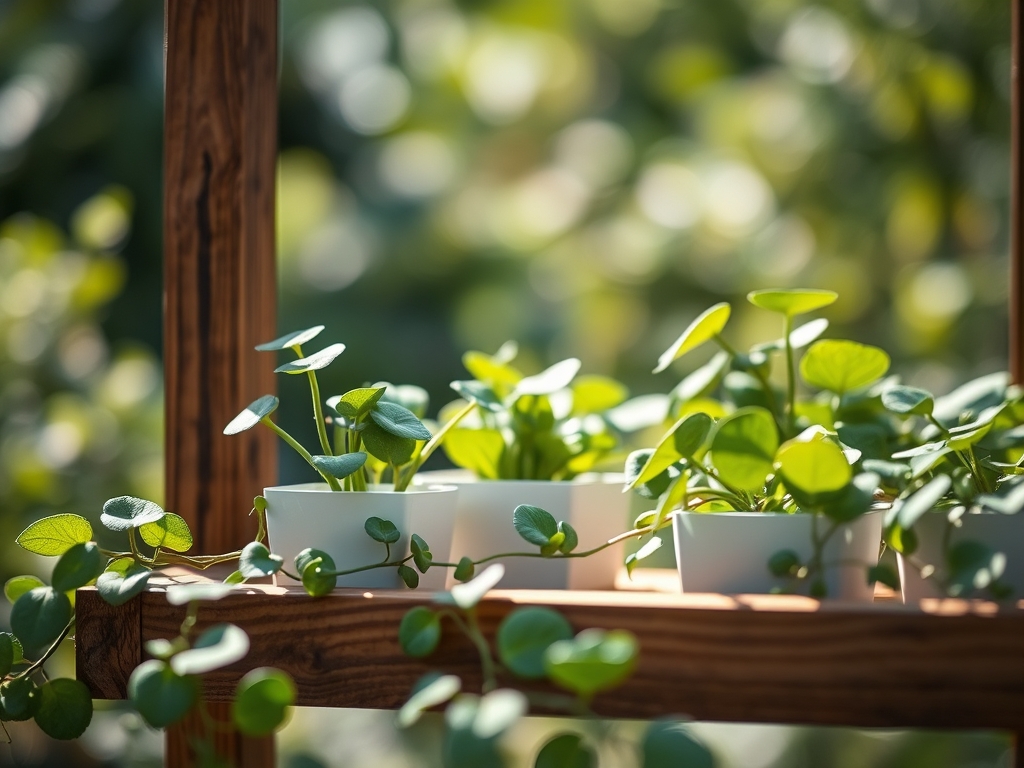
8 Vining Steps to Prepare a Vining and Climbing Ivy Shelf
Crushing a handful of damp, friable loam releases a sharp, earthy scent of geosmin that signals a healthy microbial population. Beneath the waxy cuticle of a Hedera helix leaf, turgor pressure maintains the structural integrity of the plant cell walls; this internal hydraulic force allows the vine to defy gravity. Mastering how to prepare a plant shelf for ivy requires an understanding of both structural engineering and botanical physiology. You are not merely placing a pot on a ledge; you are constructing a vertical rhizosphere that must support rapid biomass expansion. Success depends on calculating the weight of water-saturated substrate against the shelf load-bearing capacity while ensuring the microclimate provides sufficient humidity and light intensity. Ivy thrives when the transition from a horizontal nursery pot to a vertical climbing surface is managed with precision. By aligning the shelf orientation with the plant's natural phototropic response, you ensure even growth and prevent the lower stems from reaching senescence prematurely.
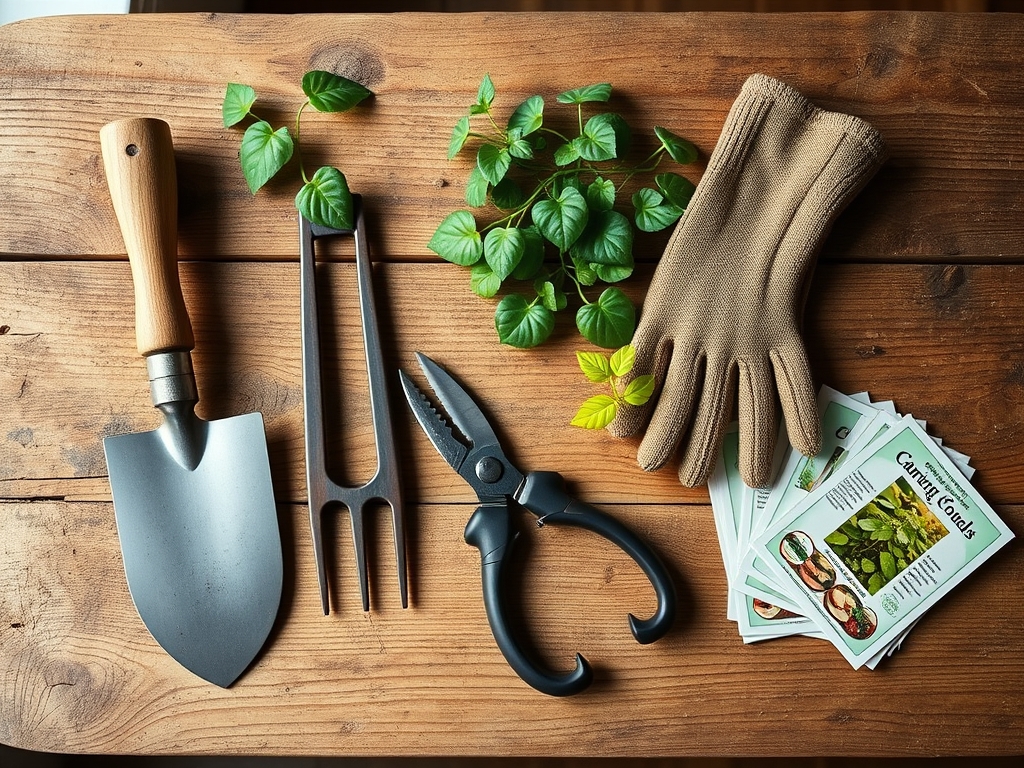
Materials:
The substrate is the foundation of the system. For most Hedera and Parthenocissus species, aim for a soil pH between 6.0 and 7.0. This range optimizes nutrient availability by maintaining a high Cation Exchange Capacity (CEC), allowing the roots to pull essential minerals from the soil solution. The physical texture should be a friable loam composed of 40 percent peat moss or coconut coir, 30 percent perlite for aeration, and 30 percent sterilized compost.
Nutrient requirements change as the vine establishes itself. During the initial growth phase, utilize a fertilizer with an NPK ratio of 2-1-1. High nitrogen levels are critical for chlorophyll production and leaf expansion. As the plant matures, shift to a balanced 10-10-10 slow-release formula to support root lignification. Avoid heavy clay soils that collapse under irrigation; instead, ensure the medium has a bulk density of approximately 1.2 to 1.6 grams per cubic centimeter.
Timing:
The biological clock of a climbing vine is dictated by photoperiod and temperature. In Hardiness Zones 4 through 9, the ideal window for shelf preparation and planting is early spring, specifically 14 to 21 days after the last frost date. This timing coincides with the plant's natural transition from winter dormancy to active vegetative growth.
During this phase, the plant experiences a surge in auxin production at the apical meristems. If you initiate shelf training during the heat of mid-summer (temperatures exceeding 85 degrees Fahrenheit), the plant may enter a state of thermodormancy to conserve moisture, resulting in poor attachment to the climbing surface. Monitor the soil temperature using a probe; aim for a consistent 65 degrees Fahrenheit before encouraging the vine to transition from a trailing habit to an upward climbing habit.
Phases:
Sowing and Propagation
If starting from cuttings, select a 6-inch terminal segment of a healthy vine. Remove the lower leaves to expose the nodes and dip the cut end in an indole-3-butyric acid (IBA) rooting hormone. Place the cutting in a sterile medium at 70 percent humidity.
Pro-Tip: High humidity prevents desiccation because the cutting lacks a root system to maintain turgor pressure. This utilizes the principle of adventitious root formation, where undifferentiated cells at the node transform into root tissue in response to localized auxin accumulation.
Transplanting to the Shelf
When the root system reaches 2 inches in length, move the plant to its permanent container on the shelf. Ensure the pot has at least three drainage holes to prevent anaerobic conditions in the root zone. Position the crown of the plant 0.5 inches below the soil line to protect the primary transition zone from mechanical damage.
Pro-Tip: Inoculate the soil with mycorrhizal fungi during transplant. This symbiotic relationship extends the effective surface area of the roots, allowing the ivy to absorb phosphorus and micronutrients more efficiently through a network of fungal hyphae.
Establishing the Vertical Path
Secure the primary runners to the shelf support using soft ties. Do not overtighten; the stem needs room for secondary xylem expansion. Orient the vines toward the primary light source to maximize photosynthetic efficiency.
Pro-Tip: Ivy exhibits negative phototropism in its adhesive rootlets; they grow away from light to find crevices in the climbing surface. Providing a textured backing like cedar or coir poles encourages faster attachment than smooth metal or plastic.
The Clinic:
Physiological disorders often mimic pathogen attacks but are frequently rooted in environmental stress.
- Symptom: Interveinal chlorosis (yellowing between green veins) on new growth.
Solution: This indicates an Iron deficiency, often caused by a pH above 7.0. Lower the pH using elemental sulfur or apply chelated iron. - Symptom: Leaf marginal necrosis (brown, crispy edges).
Solution: This is typically a result of Low Humidity or Salt Accumulation. Flush the substrate with distilled water to leach excess salts and increase ambient humidity to 50 percent. - Symptom: Abscission (premature leaf drop) at the base of the plant.
Solution: This suggests Nitrogen deficiency or insufficient light. The plant is recycling mobile nutrients from old leaves to support new apical growth. Increase NPK application.
The Fix-It: For general vigor issues, use a soil moisture meter to ensure you are not overwatering. Ivy roots require oxygen; if the soil remains saturated for more than 48 hours, root hairs will die from hypoxia.
Maintenance:
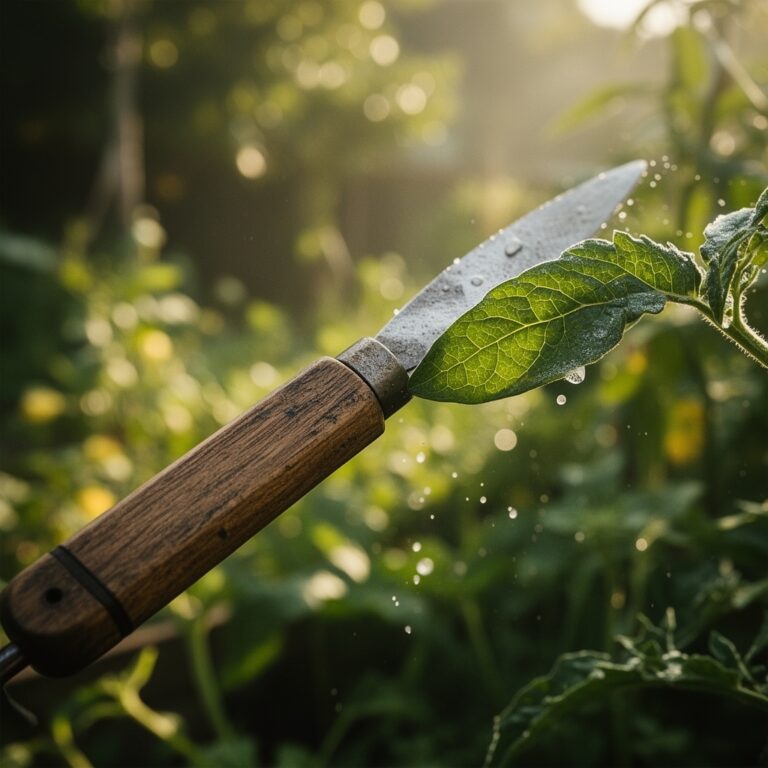
Precision maintenance prevents the shelf from becoming a site of decay. Provide 1.5 inches of water per week directly at the drip line; do not wet the foliage excessively as this encourages fungal spores. Use a hori-hori knife to periodically check soil compaction and aerate the top inch of the substrate.
Pruning is essential for density. Use bypass pruners to remove any dead or senescent tissue. Make cuts at a 45-degree angle approximately 0.25 inches above a node. This stimulates lateral bud break by breaking apical dominance, forcing the plant to grow bushier rather than just longer. Every six months, wipe the leaves with a damp cloth to remove dust that can block stomata and reduce gas exchange by up to 30 percent.
The Yield:
While Hedera helix is primarily ornamental, the "yield" is measured in biomass and air filtration efficiency. For maximum aesthetic density, prune the lead runners once they reach the end of the shelf. This redirects energy to the secondary lateral shoots. If you are harvesting cuttings for further propagation, do so in the early morning when turgor pressure is at its peak. This ensures the cells are fully hydrated, increasing the success rate of the new clones. Handle the harvested vines with care to avoid bruising the vascular cambium.
FAQ:
How often should I fertilize my shelf ivy?
Apply a balanced 10-10-10 liquid fertilizer every four weeks during the active growing season (April to September). Reduce frequency to once every eight weeks in winter when the plant's metabolic rate slows due to decreased photoperiod.
What is the best light for a plant shelf?
Ivy prefers bright, indirect light measuring between 1,000 and 2,500 foot-candles. Direct afternoon sun can cause photoinhibition and leaf scorch, while levels below 500 foot-candles will result in leggy growth and small leaf size.
Why are my ivy leaves turning yellow?
Yellowing, or chlorosis, usually stems from overwatering or nitrogen deficiency. Ensure the top inch of soil is dry before irrigating. If soil moisture is correct, apply a high-nitrogen fertilizer to restore chlorophyll production in the leaf tissue.
Can I grow ivy on a shelf without a trellis?
Yes, but the vines will trail downward rather than climb. To encourage upward growth, the shelf must have a porous surface or a dedicated support. Without a structure, the ivy cannot utilize its adventitious aerial roots for vertical stability.