7 Balanced-Nutrition Benefits of Specialized Houseplant Soil
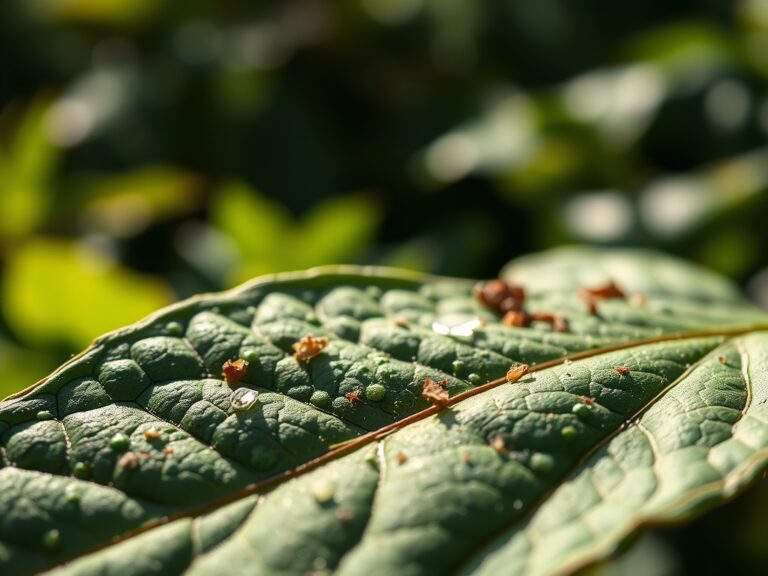
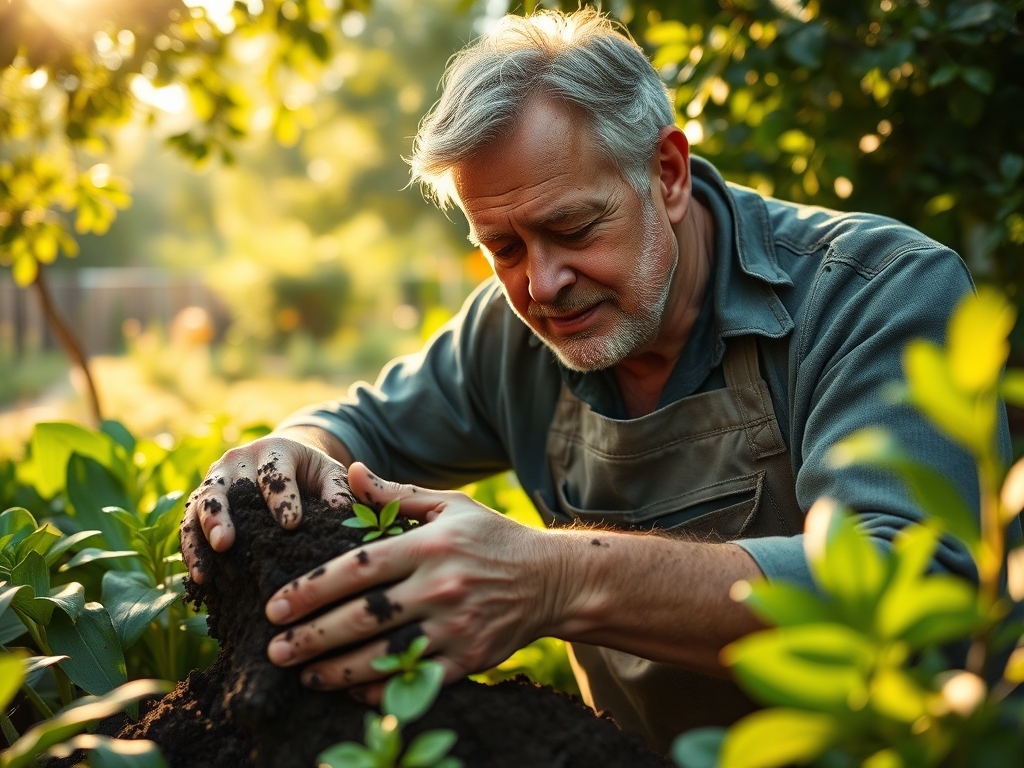
The scent of damp, mineralized earth signals a functioning rhizosphere where microbial activity meets chemical precision. A healthy leaf maintains high turgor pressure; its cells are distended with water and solutes, creating a rigid structure that resists drooping. This physiological state is only possible when the root system accesses a consistent supply of macro and micronutrients. Using a specialized houseplant soil ensures that the substrate does not collapse under repeated irrigation, which maintains the critical balance of macroporosity and microporosity. Standard garden soil or low grade peat mixes often compact, leading to anaerobic conditions and root senescence. By contrast, a technical substrate provides the structural integrity required for long term container cultivation. It manages the Cation Exchange Capacity (CEC) to hold nutrients like potassium and magnesium against the leaching forces of drainage. Professional growers recognize that the soil is not merely a physical anchor but a complex chemical reactor. Achieving optimal plant health requires a medium that supports the metabolic demands of the species while preventing the accumulation of toxic salts.
Materials:
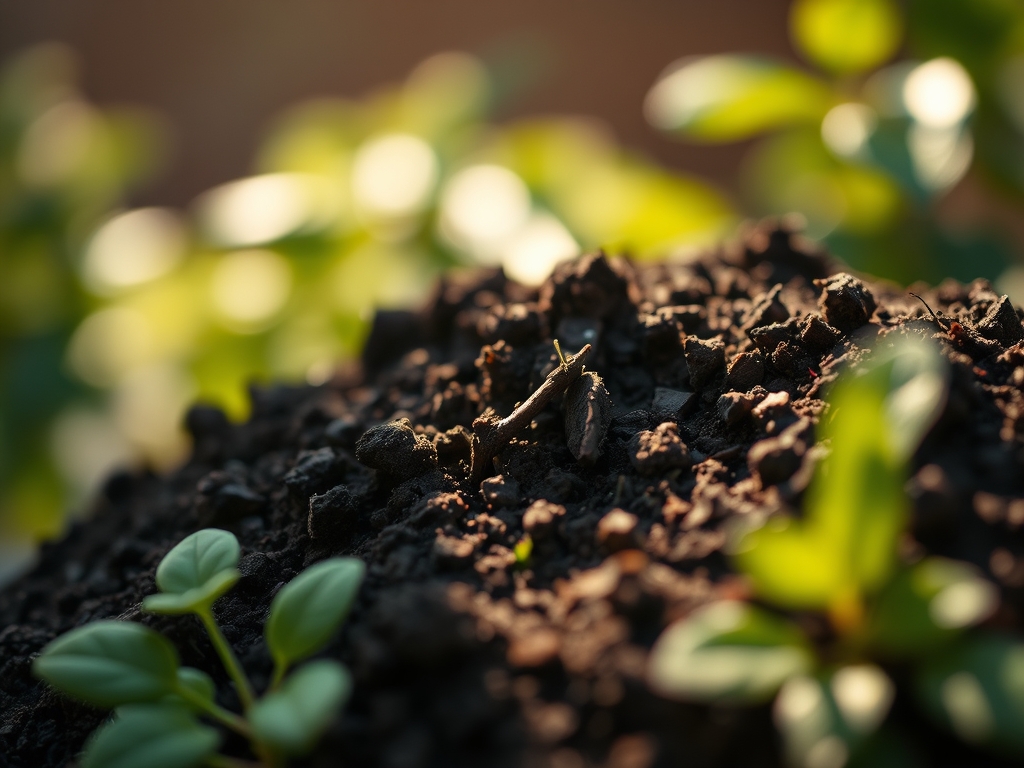
The ideal substrate for indoor cultivation is a friable loam or a soilless mix designed to maintain a **pH range between 5.8 and 6.5**. This specific acidity ensures that micronutrients like iron and manganese remain bioavailable rather than precipitating into insoluble forms. A high quality specialized soil should feature a base NPK ratio of approximately **1-1-1 or 2-1-2** for slow release baseline nutrition.
Physical components must include coarse perlite, horticultural charcoal, or pumice to facilitate gas exchange. The presence of calcined clay or zeolite increases the CEC, allowing the soil to store positively charged ions for later uptake. Avoid mixes that rely solely on fine peat moss; these lack the structural durability to prevent "slumping" over a two year growth cycle. The texture should be gritty to the touch, indicating a high percentage of inorganic amendments that prevent the substrate from becoming a hydrophobic brick when dry.
Timing:
While indoor environments are climate controlled, plants still respond to external photoperiods and seasonal shifts. Most tropical houseplants are rated for Hardiness Zones 10 through 12, meaning they cannot survive temperatures below 50 degrees Fahrenheit (10 Celsius). The biological clock of a houseplant is governed by light duration and intensity.
During the spring equinox, as day length exceeds 12 hours, plants transition from a semi-dormant state to an active vegetative phase. This is the optimal window for repotting. Using a specialized houseplant soil during this transition provides the surge in phosphorus needed for new root initiation. Avoid heavy fertilization during the winter solstice when the plant enters senescence; adding nutrients during low light periods can lead to salt toxicity as the plant's metabolic rate slows.
Phases:
Sowing and Propagation
Starting seeds or cuttings requires a medium with high capillary action but low nutrient density to prevent "burning" delicate primary roots. Use a specialized seed starting mix that incorporates vermiculite to maintain 80 percent humidity at the root zone.
Pro-Tip: Maintain a substrate temperature of 70 to 75 degrees Fahrenheit to stimulate auxin production. Auxins are hormones that migrate to the base of the cutting to trigger adventitious root growth; cold soil inhibits this hormonal signaling.
Transplanting
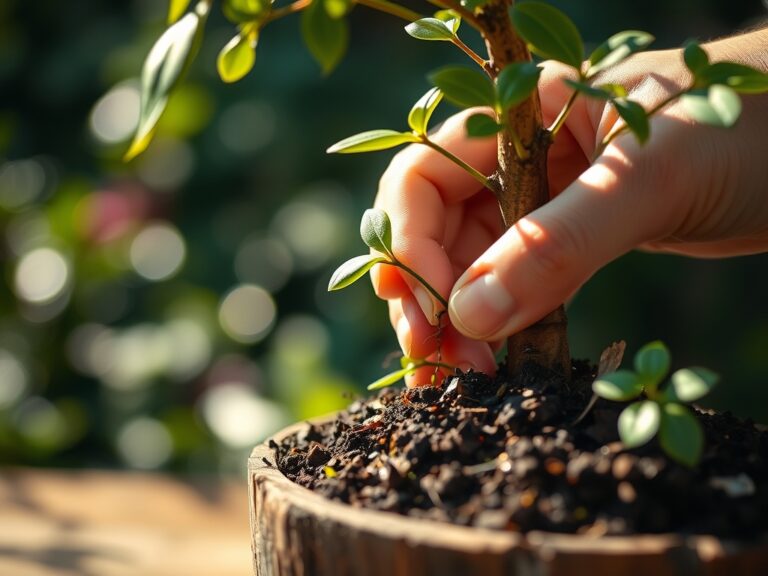
When roots begin to circle the perimeter of the pot, the plant is "pot bound" and requires a larger vessel. Gently tease the roots apart to break the circular growth pattern. Transition the plant into the specialized soil, ensuring the crown remains at the same depth as the previous container.
Pro-Tip: Incorporate mycorrhizal fungi inoculants during transplanting. This creates a symbiotic relationship where the fungi extend the root system's reach, increasing the surface area for phosphorus absorption by up to 1,000 percent.
Establishing
The first 21 days after repotting are critical for establishing hydraulic conductivity between the old root ball and the new substrate. Monitor the plant for signs of transplant shock, such as temporary loss of turgor.
Pro-Tip: Avoid direct sunlight for 48 hours post-transplant to reduce the transpiration rate. This allows the plant to focus energy on "root hair" development rather than maintaining leaf cooling through the stomata.
The Clinic:
Physiological disorders often stem from a breakdown in the soil-root interface. Identifying these early prevents permanent vascular damage.
- Symptom: Interveinal Chlorosis (yellowing between green leaf veins).
Solution: This typically indicates a Magnesium deficiency or a pH imbalance above 7.0. Flush the soil with acidified water (pH 5.5) and apply a 0.5 percent magnesium sulfate solution. - Symptom: Leaf Tip Burn (necrosis at the distal ends of foliage).
Solution: This is often caused by the accumulation of fluoride or excess salts. Using a specialized houseplant soil with high porosity allows for better leaching. Switch to distilled water or rainwater. - Symptom: Edema (cork-like blisters on the underside of leaves).
Solution: This occurs when roots take up water faster than the leaves can transpire it. Increase airflow and ensure the soil has at least 20 percent air-filled pore space.
Fix-It for Nitrogen Chlorosis: If the oldest leaves are turning a uniform pale yellow, the plant is scavenging nitrogen for new growth. Apply a liquid fertilizer with a 3-1-2 NPK ratio to restore chlorophyll production.
Maintenance:
Precision maintenance prevents the "boom and bust" cycle of plant health. Use a soil moisture meter to verify that the root zone is actually dry before adding water; surface appearance is often deceptive. Most tropicals require the top 1 to 2 inches of soil to dry out between waterings.
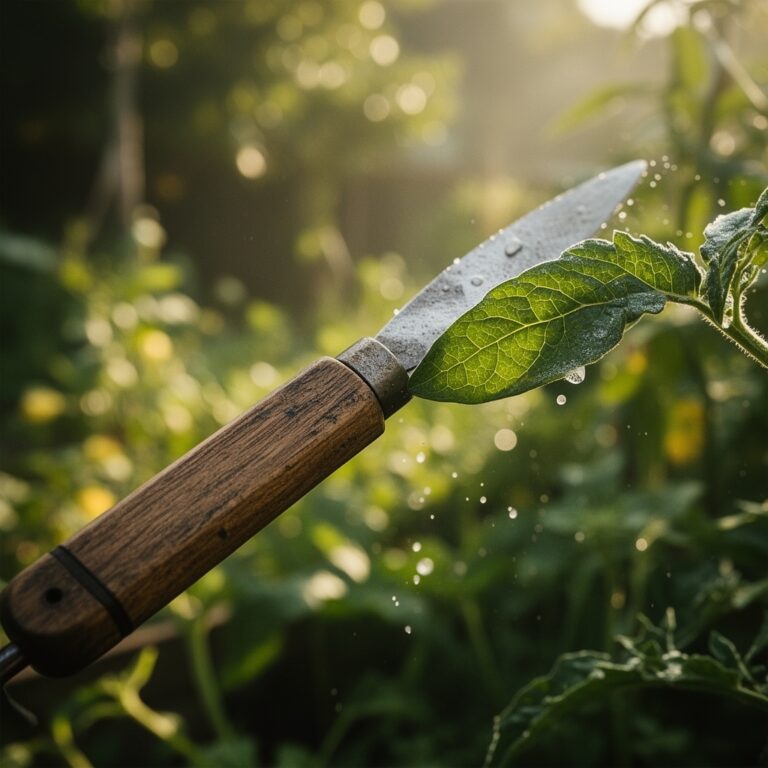
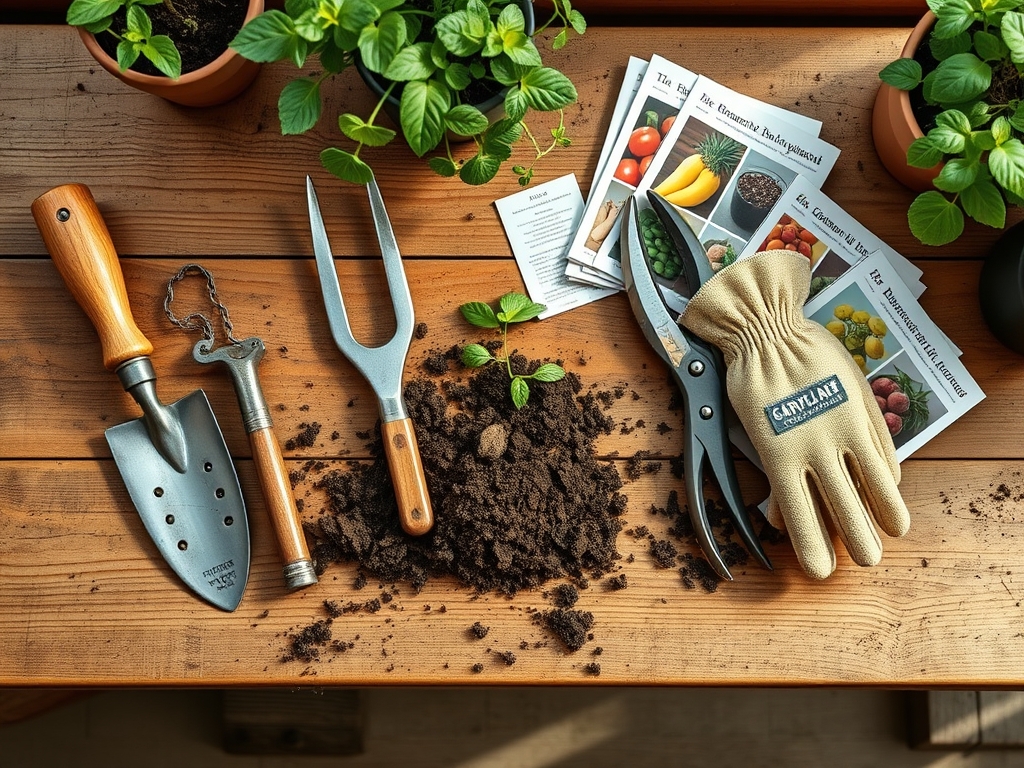
When pruning dead tissue, use bypass pruners sterilized with 70 percent isopropyl alcohol to prevent the spread of pathogens. For repotting, a hori-hori knife is the superior tool for slicing through compacted root masses or extracting plants from terracotta pots. Apply water until it exits the drainage holes, ensuring the entire soil column is saturated and "old" air is pushed out of the pores.
The Yield:
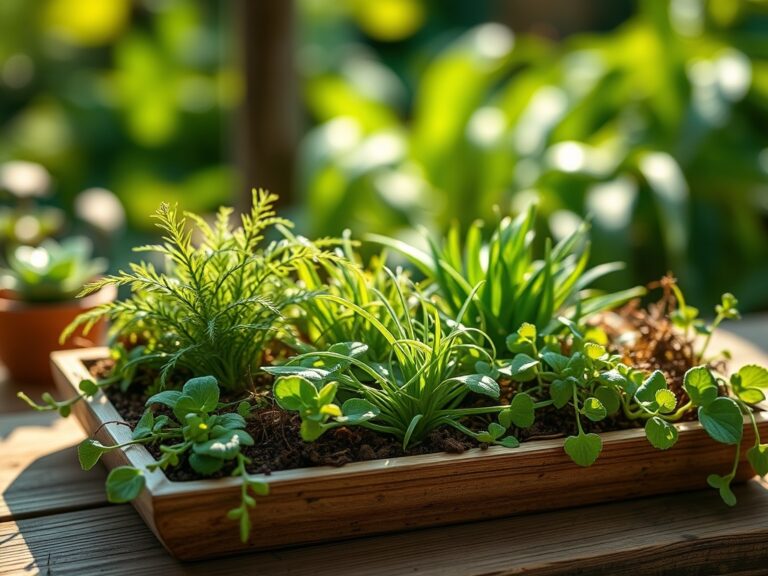
For those growing indoor herbs or flowering species like Saintpaulia, the "yield" is measured in biomass and floral longevity. Harvest herbs in the morning when essential oil concentration is highest. Use sharp snips to cut just above a node to encourage lateral branching. For flowering plants, deadhead spent blooms immediately to prevent the plant from diverting energy into seed production, a process known as reproductive senescence. Keeping the plant in a vegetative state ensures a continuous supply of foliage and flowers.
FAQ:
Why is my soil pulling away from the edges of the pot?
This indicates the peat has become hydrophobic. Submerge the entire pot in water for 20 minutes to rehydrate the organic matter. Using a specialized houseplant soil with wetting agents prevents this structural collapse and ensures even moisture distribution.
Can I use garden soil for my indoor plants?
No. Garden soil contains silt and clay particles that collapse in containers, eliminating air pores. It also harbors pathogens and pests. Specialized mixes are pasteurized and engineered for the specific drainage requirements of a confined root system.
How often should I replace the soil?
Replace the substrate every 12 to 24 months. Over time, organic components decompose and salts from tap water accumulate. Fresh specialized soil restores the Cation Exchange Capacity and ensures the pH remains within the optimal range for nutrient uptake.
What does "well-draining" actually mean?
It refers to the "percolation rate." In a 6-inch pot, water should begin exiting the drainage holes within 15 seconds of application. If water sits on the surface, the soil lacks the necessary macropores provided by perlite or bark.