6 Best High-Efficiency Plant Humidifiers for Large Collections
The scent of damp earth and the heavy, saturated air of a conservatory are more than just sensory experiences; they are indicators of optimal turgor pressure within the plant cell wall. When humidity levels drop below 40 percent, the stomata on the underside of a leaf close to prevent desiccation, effectively halting photosynthesis and nutrient transport. For those managing large botanical collections, maintaining a consistent vapor pressure deficit is the difference between a thriving rhizosphere and systemic senescence. Selecting the best plant humidifiers requires an understanding of cubic footage and the specific transpiration rates of your species. A high-efficiency unit must deliver consistent moisture without creating localized saturation zones that invite fungal pathogens. Large collections demand industrial-grade output, often exceeding two gallons of mist per 24-hour cycle, to counteract the drying effects of HVAC systems. By stabilizing the ambient moisture, you ensure that the vascular system of every specimen remains fully pressurized, allowing for maximum carbon dioxide uptake and robust vegetative growth.
Materials:
While the humidifier manages the atmosphere, the substrate must support the increased moisture load. For high-humidity environments, a **friable loam** with a high Cation Exchange Capacity (CEC) is essential. The soil pH should be maintained between **5.8 and 6.5** for most tropical collections to ensure micronutrient availability. A standard NPK ratio of **10-10-10** is sufficient for general maintenance, but high-efficiency growth in humid conditions often requires a boost in Potassium (K) to regulate stomatal function. Incorporate perlite or orchid bark to ensure the substrate remains aerobic; a waterlogged rhizosphere leads to root hypoxia regardless of atmospheric quality.
Timing:
The biological clock of a plant is governed by the photoperiod and the transition from vegetative to reproductive stages. In Hardiness Zones 8 through 11, outdoor humidity often suffices, but indoor collections in Zones 4 through 7 face extreme desiccation during the winter heating season. You must activate high-efficiency humidifiers when the indoor hygrometer consistently reads below 45 percent. This timing usually aligns with the first frost date, typically between October 15 and November 15 in temperate regions. Monitoring the dew point is critical during the transition to the reproductive phase, as excessive moisture during flowering can lead to botrytis or other necrotic tissue issues.
Phases:

Sowing and Germination
During the initial sowing phase, seeds require a relative humidity of 80 to 90 percent to soften the seed coat and trigger the metabolic processes of the embryo. Use a precision ultrasonic humidifier to maintain a fine mist that does not disturb the soil surface.
Pro-Tip: High humidity during germination facilitates imbibition, the physical absorption of water that increases the volume of the seed. This pressure eventually ruptures the seed coat, allowing the radicle to emerge and establish the primary root system.
Transplanting
When moving a specimen to a larger vessel, the plant experiences transplant shock as the root hairs are disrupted. Maintaining humidity at 70 percent for the first ten days post-transplant reduces the transpiration load on the foliage while the roots re-establish contact with the soil.
Pro-Tip: Elevated humidity levels during transplanting suppress the production of abscisic acid. This hormone usually signals the plant to close stomata under stress; keeping them open allows for continued gas exchange and faster recovery through auxin-driven root growth.
Establishing the Canopy
Once the plant enters its primary vegetative state, the goal shifts to maintaining a consistent vapor pressure deficit (VPD). For large collections, the best plant humidifiers should be positioned to provide even distribution across the entire leaf area index.
Pro-Tip: Consistent atmospheric moisture encourages phototropism without the cost of excessive water loss. When humidity is stable, the plant can focus energy on structural lignin production rather than survival-based water conservation, leading to thicker stems and larger laminae.
The Clinic:
Physiological disorders often manifest when the balance between soil moisture and atmospheric humidity is lost.
- Symptom: Tip Burn (Necrosis). This is often caused by low humidity or high salt accumulation in the substrate. Solution: Increase humidifier output to 60 percent and flush the soil with distilled water to lower the electrical conductivity (EC).
- Symptom: Edema (Water Blisters). This occurs when the roots take up more water than the leaves can transpire. Solution: Improve air circulation with a fan and slightly reduce the humidity setting on your device.
- Symptom: Nitrogen Chlorosis. Yellowing of older leaves indicates the plant cannot move mobile nutrients. Fix-It: Apply a water-soluble fertilizer with a 3-1-2 NPK ratio and ensure the humidifier is not creating a "cold damp" environment, which slows nutrient uptake.
Maintenance:
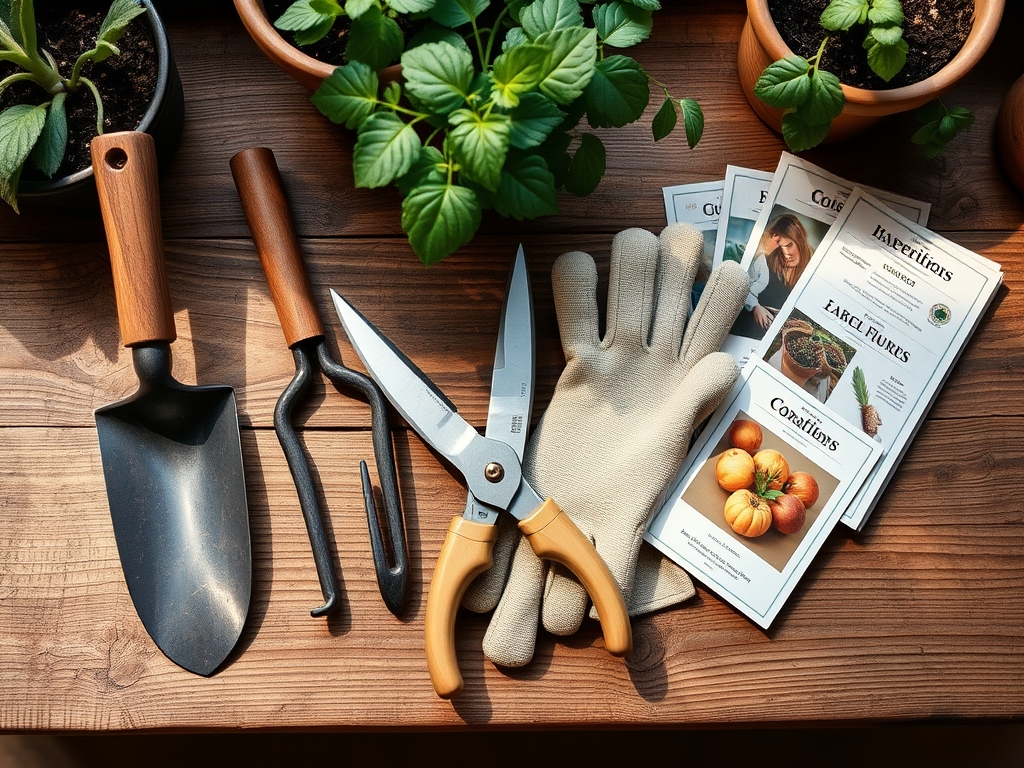
A professional collection requires rigorous upkeep. Use a soil moisture meter daily to ensure the substrate remains at a level 4 or 5 on a 10-point scale. Most tropicals require 1.5 inches of water per week delivered at the drip line to ensure deep root penetration. Use bypass pruners to remove any senescent tissue, which can become a vector for disease in high-humidity zones. Every two weeks, use a hori-hori knife to gently aerate the top inch of soil, preventing the formation of a hydrophobic crust. Clean your humidifier tanks with a weak citric acid solution every seven days to prevent biofilm accumulation and the dispersal of mineral dust.
The Yield:
For those growing flowering or fruiting species, the harvest must occur when the plant is at peak turgidity, typically in the early morning. Use sharp snips to make a clean cut at a 45-degree angle to maximize the surface area for water uptake post-harvest. To maintain "day-one" freshness, immediately place the stems in water at 65 degrees Fahrenheit and move them to a room with 50 percent humidity. This slows the rate of respiration and prevents the rapid breakdown of cellular structures, extending the aesthetic life of the bloom or the crispness of the foliage.
FAQ:
What is the ideal humidity for most houseplants?
Maintain a relative humidity between 50 and 60 percent. This range supports most tropical species without encouraging the growth of mold or mildew on household surfaces. Use a digital hygrometer to monitor these levels accurately near the plant canopy.
How do I know if my humidifier is big enough?
Calculate the room's cubic footage. A high-efficiency humidifier should be rated for at least 20 percent more space than you have to account for air leakage and the high transpiration rates of a large botanical collection.
Should I use tap water in my plant humidifier?
Avoid tap water if it has high mineral content. Hard water creates "white dust" (calcium carbonate), which can clog leaf stomata and interfere with photosynthesis. Use distilled or reverse osmosis water for optimal mechanical longevity and plant health.
Can high humidity cause plant diseases?
Yes, humidity levels consistently above 85 percent without adequate airflow promote fungal pathogens like powdery mildew. Always pair high-output humidifiers with oscillating fans to ensure the boundary layer of air around the leaves is constantly refreshed.