9 Trunk-Support Steps for Repotting a Money Tree
The scent of damp peat and the gritty texture of perlite under your fingernails signal the beginning of a necessary physiological reset. A healthy Pachira aquatica exhibits high turgor pressure; its palmate leaves feel firm and resist bending. When the roots begin to circle the interior of the pot, they compress the rhizosphere and limit oxygen availability. Executing the correct steps for repotting a money tree ensures the specimen transitions from a state of stagnant growth to active cellular expansion. This process is not merely an aesthetic upgrade. It is a calculated intervention to manage soil salinity and restore the gas exchange capacity within the growing medium. Neglecting this maintenance leads to root senescence and eventual vascular collapse. By following a rigorous protocol, you maintain the structural integrity of the braided trunks while providing the root system with a fresh volume of porous substrate. Successful repotting requires precision in timing, substrate selection, and post-transplant care to prevent transplant shock and ensure the long term health of the plant.
Materials:
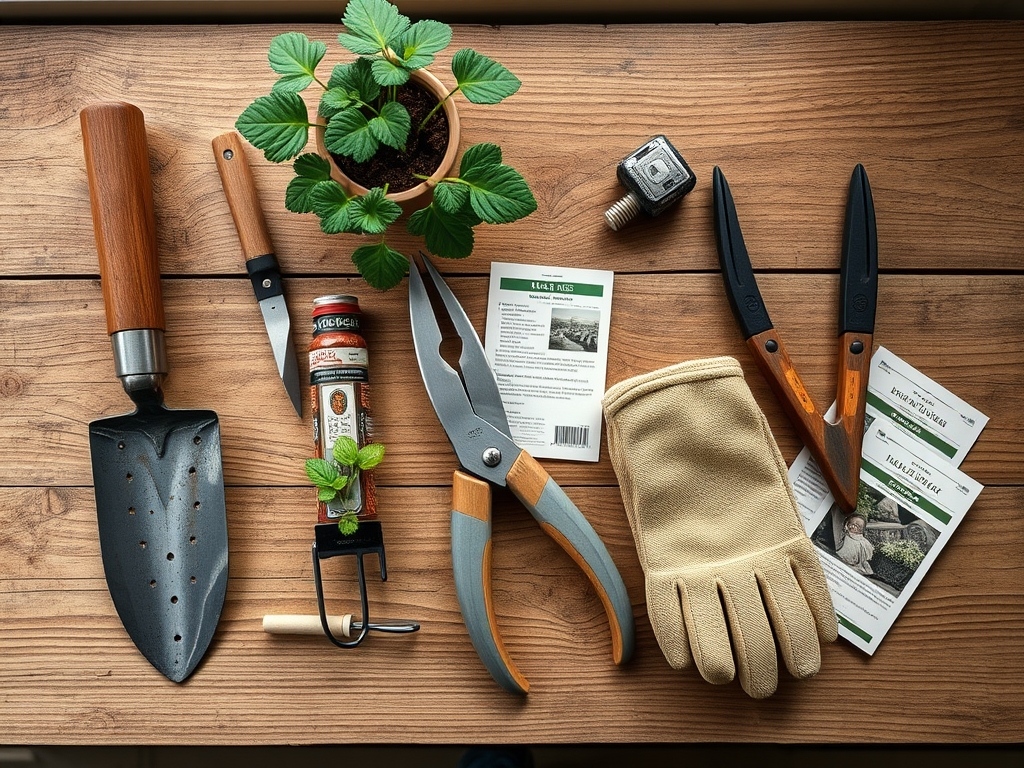
The substrate must be a friable loam with high porosity to prevent anaerobic conditions. Aim for a soil pH between **6.0 and 7.5**. The ideal mix consists of two parts peat moss or coconut coir, one part coarse sand, and one part perlite to facilitate rapid drainage.
For nutrient loading, use a controlled-release fertilizer with an NPK ratio of 10-10-10 or 20-20-20. Nitrogen (N) supports leaf chlorophyll production; Phosphorus (P) aids in root development; Potassium (K) regulates water movement and enzyme activation. Ensure the new container is only 2 inches larger in diameter than the current pot. A vessel that is too large increases the risk of "perched water tables," where the bottom layer of soil remains saturated, leading to Pythium root rot. The Cation Exchange Capacity (CEC) of your mix should be high enough to retain these nutrients against leaching during irrigation.
Timing:
Pachira aquatica is native to Central and South American wetlands, thriving in USDA Hardiness Zones 10 through 12. For those growing the tree indoors in cooler climates, the "Biological Clock" dictates that repotting should occur during the transition from late winter to early spring. This period aligns with the increase in photoperiod, triggering the plant to move from a semi-dormant vegetative state into a phase of active meristematic growth.
Avoid repotting during the peak of summer heat or the depths of winter. In the spring, the plant has higher levels of endogenous auxins, which are hormones that promote rapid root initiation. Performing the steps for repotting a money tree during this window allows the plant to establish its root architecture in the new medium before the high metabolic demands of the summer growth flush.
Phases:
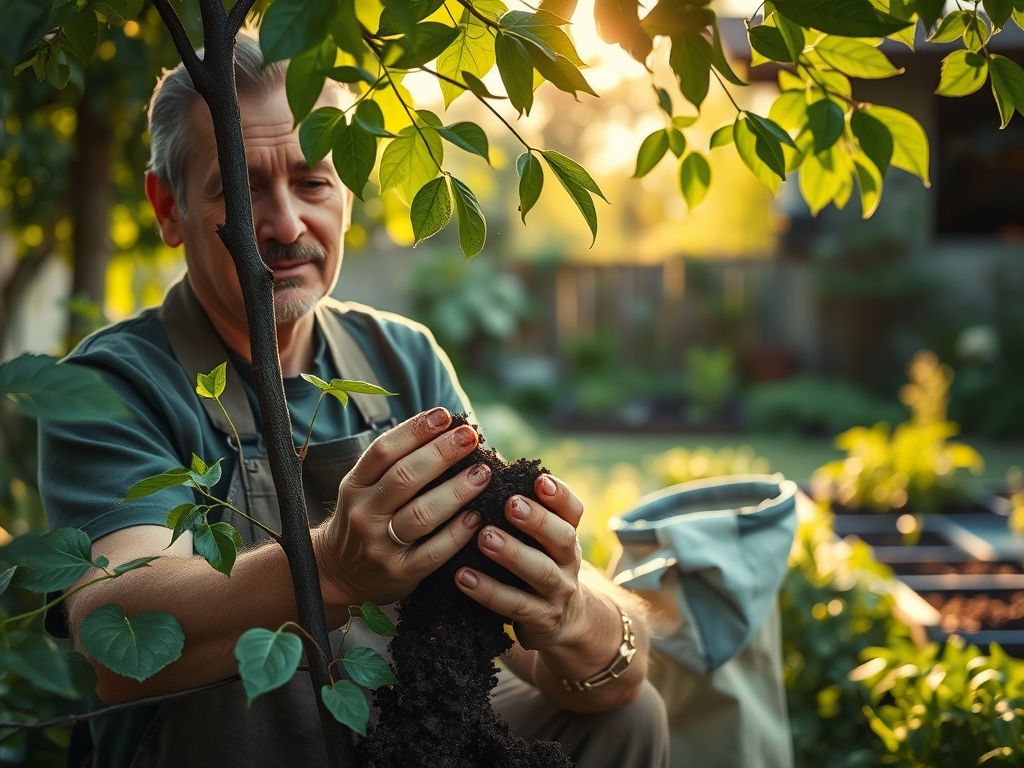
Sowing and Preparation
Before removing the plant, hydrate the root ball thoroughly 24 hours in advance. This increases cell turgidity and makes the roots more flexible. Sterilize your bypass pruners with 70 percent isopropyl alcohol to prevent the transmission of pathogens. Prepare the new container by placing a small piece of mesh over the drainage hole to prevent substrate loss while allowing effluent to escape.
Pro-Tip: Pre-moistening the soil prevents the "hydrophobic effect" often seen in dry peat-based mixes. This ensures immediate capillary action once the plant is situated.
Transplanting
Grasp the base of the trunks and invert the pot, tapping the rim against a hard surface. Once the plant is free, use a hori-hori knife to gently tease out the outer roots. If you encounter "girdling roots" that circle the ball, prune them back to a healthy node. This stimulates the growth of lateral "feeder roots" which are more efficient at nutrient uptake.
Pro-Tip: Pruning circling roots breaks apical dominance in the root system. This triggers a hormonal response that encourages the growth of new root hairs, increasing the surface area for water absorption.
Establishing
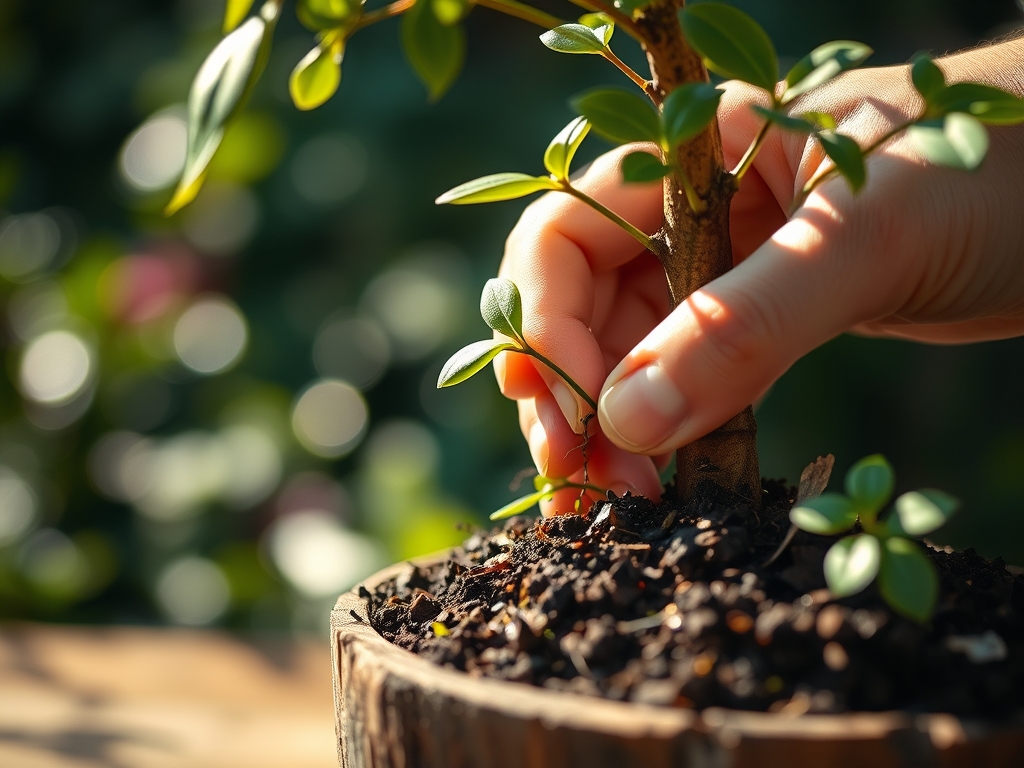
Center the tree in the new pot and backfill with your friable loam. Press the soil down firmly to eliminate large air pockets, but do not compact it to the point of reducing macropore space. The soil line should remain at the same level on the trunk as it was previously. Burying the trunk deeper can lead to stem rot.
Pro-Tip: Settling the soil with water rather than manual compression preserves the soil structure. This maintains the oxygen-to-water ratio necessary for mycorrhizal symbiosis, where beneficial fungi assist the roots in phosphorus uptake.
The Clinic:
Physiological disorders often manifest shortly after repotting if the environment is not controlled.
- Symptom: Yellowing of lower leaves (Nitrogen Chlorosis).
- Solution: Apply a liquid fertilizer with a high nitrogen fraction. Nitrogen is a mobile nutrient; the plant steals it from old leaves to support new growth.
- Symptom: Leaf tip burn or marginal necrosis.
- Solution: This often indicates "salt burn" from fertilizer buildup or fluoride in tap water. Flush the substrate with distilled water equal to three times the pot volume.
- Symptom: Sudden leaf drop (Abscission).
- Solution: This is a stress response to drastic changes in humidity or light. Maintain a consistent temperature between 65 and 85 degrees Fahrenheit.
- Fix-It: If you notice soft, brown roots during repotting, prune them back to white, firm tissue and treat the remaining root mass with a dilute copper fungicide or cinnamon powder to inhibit fungal spores.
Maintenance:
Post-repotting maintenance requires clinical precision. Use a soil moisture meter to ensure the top 2 inches of soil have dried before re-watering. Generally, provide approximately 1.5 inches of water per week, delivered slowly at the drip line to ensure even saturation.
Place the tree in a location with bright, indirect light (approximately 800 to 1,500 foot-candles). Avoid direct southern exposure which can cause leaf scorch. Rotate the pot 90 degrees every week to counteract phototropism and ensure the trunks do not lean. Every six months, wipe the leaves with a damp cloth to remove dust, which can block stomata and reduce photosynthetic efficiency by up to 30 percent.
The Yield:
While Pachira aquatica is primarily grown for its architectural foliage, in its native habitat, it produces large seed pods containing edible nuts. For indoor specimens, the "yield" is measured in biomass and trunk girth. To maximize trunk thickening, avoid over-pruning the canopy. The leaves act as the "engine" of the plant; the more surface area available for photosynthesis, the more carbohydrates are sent down to the trunk for secondary xylem growth. If you must prune for shape, do so in early spring, cutting just above a leaf node at a 45-degree angle to allow moisture to run off the wound.
FAQ:
How often should I repot my money tree?
Repot every two to three years. If you notice roots emerging from drainage holes or water sitting on the soil surface for more than ten seconds, the plant is likely root-bound and requires a larger vessel and fresh substrate.
What is the best soil for a money tree?
Use a well-draining, peat-based mix with a pH of 6.0 to 7.5. Incorporate perlite or coarse sand to ensure a high oxygen-to-water ratio. This prevents the anaerobic conditions that lead to root rot and vascular decline.
Should I fertilize immediately after repotting?
Wait four to six weeks before applying fertilizer. Fresh potting soil often contains a starter charge of nutrients. Adding more immediately can cause osmotic stress and "burn" the sensitive new root hairs as they begin to colonize the medium.
Why are my money tree leaves turning yellow after repotting?
This is typically a sign of transplant shock or overwatering. Ensure the plant is not sitting in a saucer of standing water. Maintain high humidity and consistent temperatures to help the plant stabilize its internal water potential during recovery.