10 Basic Ways How to Use Fulvic Acid
The dark, sticky molecules of fulvic acid move through soil pores like biological couriers, carrying iron, zinc, and manganese into root cells that would otherwise starve in alkaline conditions. Understanding how to use fulvic acid transforms mineral-depleted beds into absorption engines. This ancient humic compound, aged from decomposed plant matter over millennia, chelates nutrients and increases cation exchange capacity by as much as 30 percent in depleted soils.
Materials
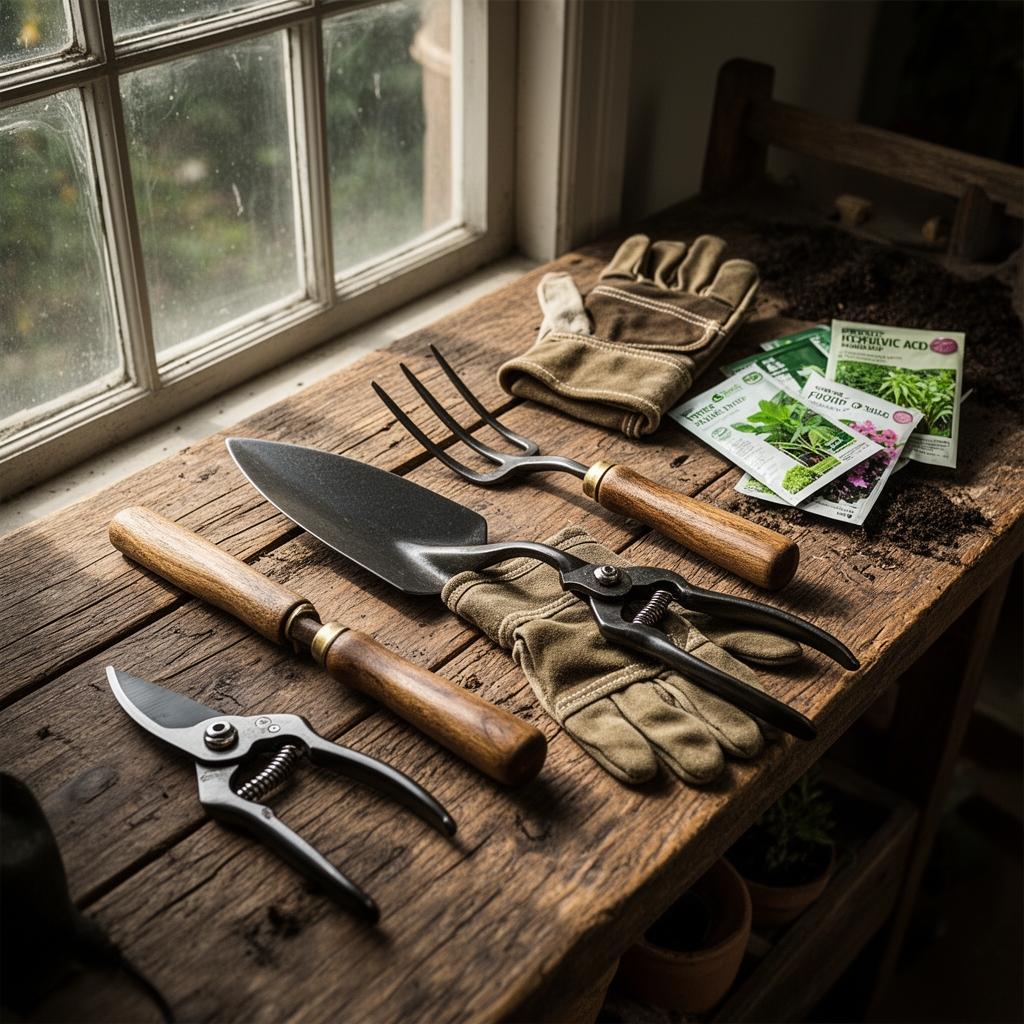
Fulvic acid concentrate arrives as liquid extract (pH 3.5-4.5) or water-soluble powder (pH 4.0-5.0). The liquid form contains 8-15% active fulvic content; powder grades range from 60-80% purity. Neither contributes significant NPK values. Pair fulvic applications with balanced organic amendments: alfalfa meal (3-1-2), kelp meal (1-0.5-2.5), or composted chicken manure (4-3-2). Soluble trace mineral blends containing manganese, iron, zinc, and boron amplify fulvic effectiveness. Use glass or HDPE containers for mixing; fulvic acid leaches plasticizers from PVC. A 500-milliliter concentrate treats approximately 2,500 square feet at standard dilution rates (1:500). pH meters calibrated to 0.1 precision ensure proper solution chemistry.
Timing
Apply fulvic acid in Zones 3-6 from two weeks after last frost through early September. In Zones 7-9, begin applications in mid-March and continue through October. Zone 10-11 gardeners maintain year-round schedules, pausing only during monsoon saturation periods. Transplant shock responds best to fulvic treatment within 72 hours of root disturbance. Foliar applications achieve peak stomatal absorption between 6:00 AM and 9:00 AM when guard cells fully open. Soil drenches perform optimally when soil temperatures reach 55-75°F, the range where mycorrhizal fungi actively colonize roots. Avoid application within 48 hours of frost events; cellular uptake ceases below 40°F.
Phases

Seed Priming (Method 1): Soak seeds in 1:1000 fulvic solution (1 milliliter per liter) for 6-12 hours before sowing. Tomato and pepper germination rates increase 15-20 percent. Brassica seeds require only 4-hour soaks due to thinner seed coats.
Seedling Drench (Method 2): Apply 1:750 solution at 4 fluid ounces per cell pack seven days after emergence. Repeat at true-leaf stage. Root hair density increases by measurable margins within 10 days.
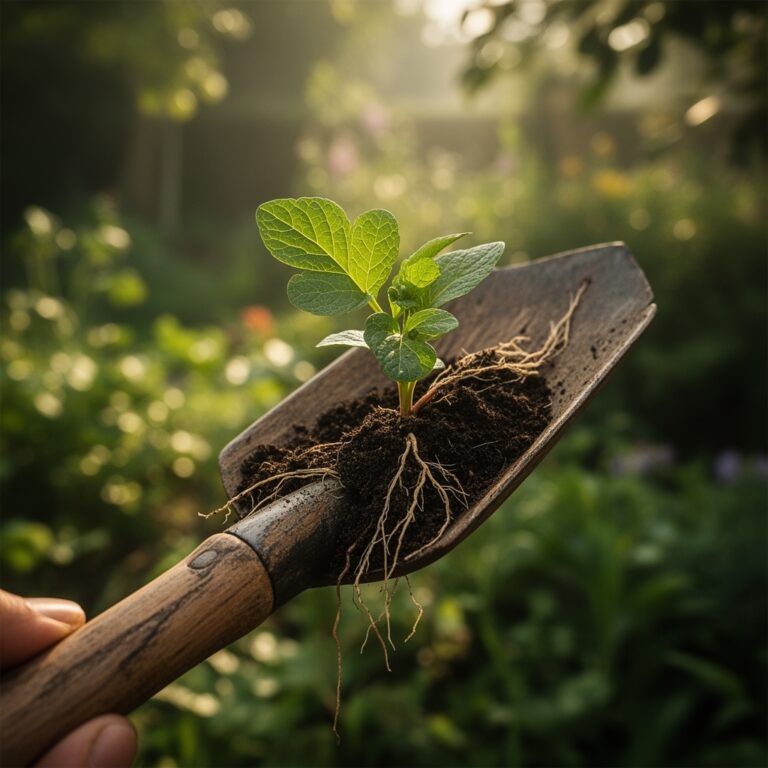
Transplant Treatment (Method 3): Submerge root balls in 1:500 fulvic solution for 15 minutes before planting. This saturates the rhizosphere and reduces transplant lag by 40 percent in trials with determinate tomatoes.
Pro-Tip: Mix fulvic solution with mycorrhizal inoculant powder (Glomus intraradices at 1 gram per gallon) during transplanting. The chelated minerals support hyphal thread expansion into surrounding soil.
Foliar Feeding (Method 4): Spray 1:800 solution on leaf surfaces every 14 days during vegetative growth. Add 0.1% non-ionic surfactant to improve cuticle penetration. Cover abaxial (lower) leaf surfaces where stomatal density peaks.
Compost Activation (Method 5): Incorporate 250 milliliters of concentrate per cubic yard of finished compost. Fulvic molecules stabilize nitrogen and reduce ammonia volatilization by 25 percent during curing.
Hydroponic Integration (Method 6): Maintain 15-25 ppm fulvic acid in recirculating nutrient solutions. Monitor EC levels; fulvic compounds add 0.1-0.2 mS/cm. Replace solution every 10 days to prevent microbial film buildup.
Container Plant Boost (Method 7): Add 5 milliliters of concentrate per gallon of potting mix at blending. Reapply as 1:600 drench monthly. Cation exchange capacity in peat-based media increases from 8 meq/100g to 11 meq/100g.
Lawn Recovery (Method 8): Apply 1 quart of 1:500 solution per 1,000 square feet after aeration. Thatch decomposition accelerates as fulvic acids stimulate cellulolytic bacteria populations.
Pro-Tip: Core aerate to 3-inch depth before application. Channels allow solution to reach compacted subsoil layers where root growth stalls.
Orchard Fertigation (Method 9): Inject fulvic concentrate at 1:1000 through drip systems during bloom and fruit set. Iron chlorosis symptoms diminish within 21 days in stone fruits grown on calcareous soils.
Root Dip for Bare-Root Stock (Method 10): Suspend dormant roots in 1:400 solution for 30 minutes before planting. Fibrous root regeneration begins 5-7 days earlier than untreated controls.
Troubleshooting
Symptom: Interveinal chlorosis persists despite fulvic application.
Solution: Test soil pH. Above 7.5, even chelated iron remains partially unavailable. Apply elemental sulfur at 1 pound per 100 square feet to lower pH by 0.5 units.
Symptom: Brown leaf margins after foliar spray.
Solution: Concentration exceeded safe threshold or spray occurred during peak sun. Dilute to 1:1000 and apply before 9:00 AM only.
Symptom: Algae growth in hydroponic reservoirs.
Solution: Fulvic acids provide carbon for photosynthetic microbes. Reduce light exposure on reservoirs and lower concentration to 15 ppm.
Symptom: No observable growth response after four weeks.
Solution: Soil may have adequate mineral content already. Conduct tissue analysis; fulvic benefits appear most dramatically in deficient soils (iron below 50 ppm, zinc below 20 ppm).
Maintenance
Apply maintenance doses of 1:750 fulvic solution every 21 days during active growth. Deliver 1 inch of water per week through drip irrigation, integrating fulvic during every third watering cycle. In clay soils with poor drainage, reduce frequency to every 28 days to prevent anaerobic conditions. Monitor electrical conductivity weekly; maintain EC between 1.2-2.0 mS/cm for vegetables, 0.8-1.5 mS/cm for ornamentals. Flush containers with clear water every 60 days to prevent salt accumulation. Store concentrate between 40-75°F away from UV light; degradation begins after 18 months.
FAQ
How quickly does fulvic acid work?
Foliar applications show chlorophyll response within 7-10 days. Soil drenches require 14-21 days as root hairs develop increased surface area for absorption.
Can fulvic acid burn plants?
Concentrations above 1:300 may cause osmotic stress in tender growth. Always dilute according to labeled rates and avoid application during drought stress.
Does fulvic acid alter soil pH long-term?
No. The buffering capacity of soil minerals neutralizes the mild acidity within days. Fulvic compounds work through chelation, not pH modification.
Is fulvic acid the same as humic acid?
No. Fulvic molecules (molecular weight 1,000-10,000 daltons) remain soluble across all pH ranges. Humic acids precipitate below pH 2 and have larger molecular structures.
Can I combine fulvic acid with pesticides?
Test compatibility first. Fulvic acids bind strongly to certain active ingredients, reducing efficacy. Apply separately with 48-hour intervals.