10 Best Grease for Lopper Joints
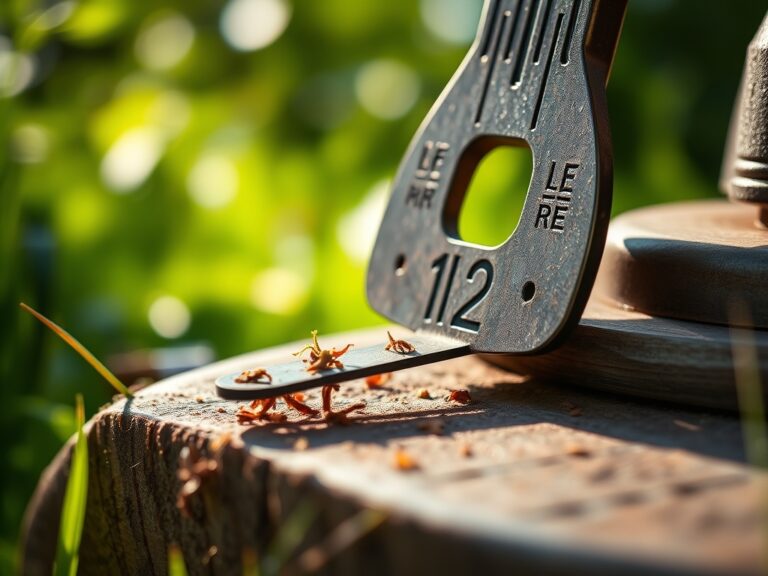
Freshly cut xylem exudes a sharp, metallic scent as sap flows from a clean bypass incision. When the turgor pressure of a woody perennial is at its peak, the resistance against a blade requires a tool that functions with zero mechanical friction. Finding the best grease for lopper joints is not merely about maintenance; it is about ensuring the kinetic energy of the user translates directly into a surgical strike through the cambium. A seized pivot bolt creates jagged tears that invite fungal pathogens into the vascular system. To maintain the structural integrity of your orchard or ornamental shrubs, the mechanical interface of your loppers must be as fluid as the sap flowing through the plants they prune.
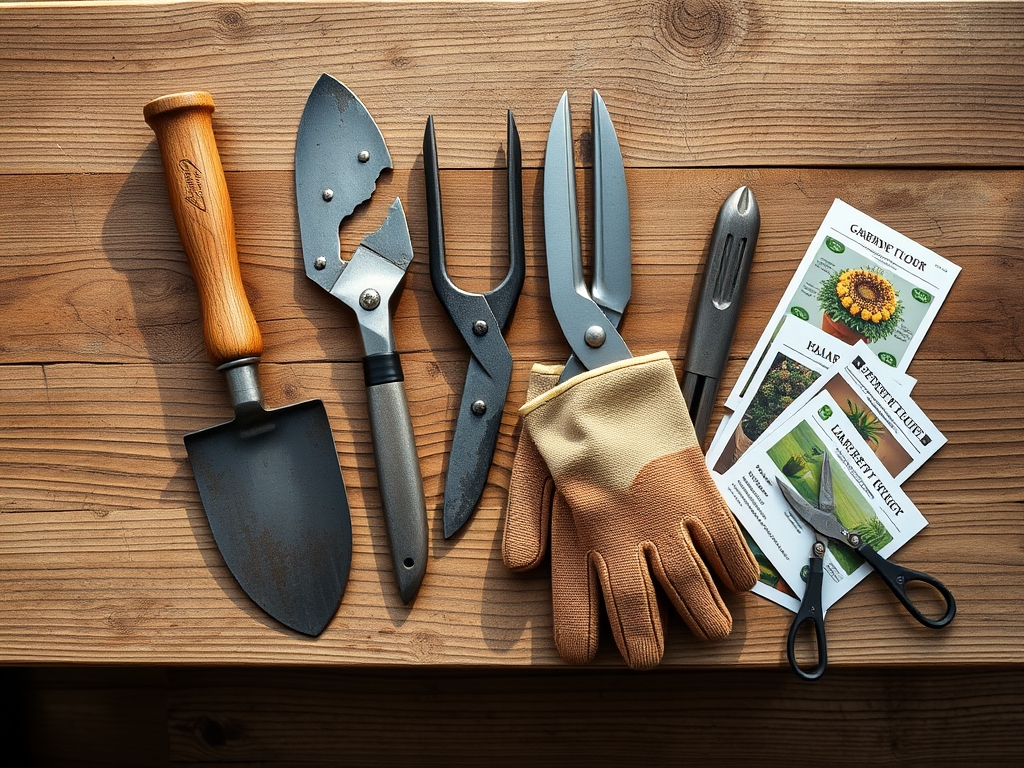
Materials:
Horticultural success begins in the rhizosphere, where a soil pH of 6.2 to 6.8 optimizes the Cation Exchange Capacity (CEC). For woody plants requiring heavy pruning, a balanced NPK ratio of 10-10-10 provides the necessary nitrogen for vegetative regrowth and potassium for cellular wall strength. The substrate must be a friable loam, characterized by 40 percent sand, 40 percent silt, and 20 percent clay. This texture ensures oxygen reaches the root hairs while maintaining moisture. When preparing to prune in these conditions, your lopper grease must be lithium-based or marine-grade to resist the high humidity and acidic sap residue (pH 4.5 to 5.5) encountered during field use.
Timing:
Pruning schedules are dictated by Hardiness Zones and the biological clock of the specimen. In Zones 5 through 7, the window for structural pruning opens during dormancy, typically between the first hard frost and the swelling of buds in late winter. This timing prevents the depletion of carbohydrate reserves stored in the root system. As a plant transitions from dormancy to the vegetative stage, the hormonal shift increases auxin production at the tips. Applying the best grease for lopper joints before this transition ensures that the tool can handle the increased density of water-filled cells without crushing the delicate phloem.
Phases:
Sowing and Site Preparation
Before a seed ever touches the soil, the mechanical equipment must be calibrated. For large-scale plantings, use a soil moisture meter to ensure the substrate is at 60 percent field capacity. If the soil is too compacted, the lack of pore space inhibits gas exchange.
Pro-Tip: Maintaining a clean, lubricated pivot bolt on your loppers prevents "twist-shear." This is critical because a clean cut allows the plant to initiate the compartmentalization of decay in trees (CODIT) faster, preventing systemic infection.
Transplanting and Root Management
When moving a sapling from a container to the field, the primary goal is to minimize transplant shock. Ensure the root ball is saturated to maintain turgor. Dig a hole twice the width of the root system but no deeper than the root flare.
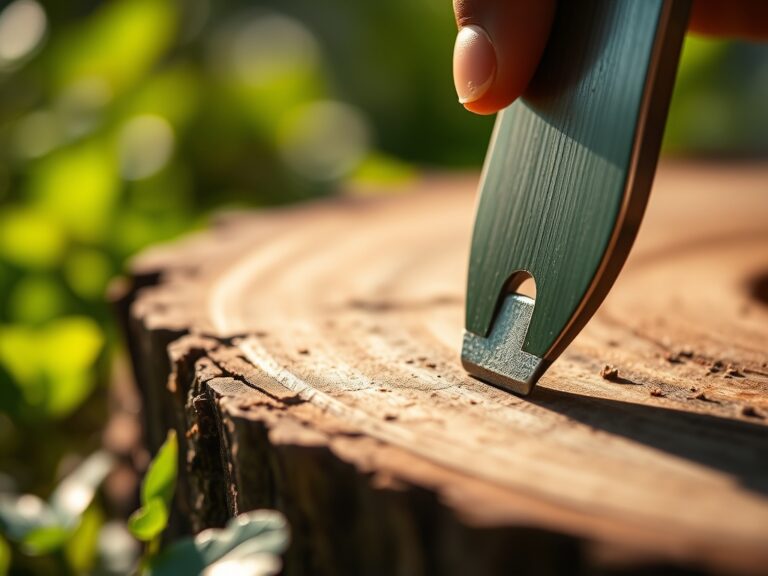
Pro-Tip: Use a hori-hori knife to score any circling roots. This mechanical disruption breaks apical dominance within the root system, stimulating lateral growth and improving the plant's ability to access phosphorus, which is immobile in the soil.
Establishing and Hardening Off
The establishment phase requires consistent moisture of 1.5 inches per week. During this time, the plant increases its cellulose and lignin production to support upward growth.
Pro-Tip: Remove water sprouts and suckers early using lubricated bypass pruners. Removing these "energy sinks" redirects photosynthates to the main leader, a process driven by the suppression of lateral buds through apical auxin flow.
The Clinic:
Physiological disorders often manifest as visible symptoms on the foliage or bark.
- Symptom: Interveinal chlorosis on young leaves.
Solution: This indicates an Iron (Fe) deficiency, often caused by a soil pH above 7.0. Lower the pH using elemental sulfur to increase micronutrient availability.
- Symptom: Leaf margins appearing scorched or "burnt."
Solution: This is typically a Potassium (K) deficiency. Potassium regulates stomatal opening; without it, the plant cannot manage transpiration, leading to localized desiccation.
- Symptom: Stunted growth with purple tinting on the underside of leaves.
Solution: Phosphorus (P) deficiency. This occurs frequently in cold, wet soils where microbial activity is low. Apply a high-phosphorus starter fertilizer (5-20-10).
- Symptom: Dieback of terminal buds and distorted new growth.
Solution: Calcium (Ca) deficiency. Calcium is essential for cell wall pectins. Add lime or gypsum to the soil to stabilize cell membranes.
Fix-It: For general Nitrogen chlorosis (yellowing of older leaves), apply a quick-release urea-based fertilizer. Nitrogen is mobile within the plant, so the organism will sacrifice older leaves to support new growth at the apex.
Maintenance:
Precision horticulture requires rigorous tool hygiene. After every pruning session, wipe the blades of your bypass pruners with 70 percent isopropyl alcohol to prevent the transmission of pathogens like Erwinia amylovora. Apply 1.5 inches of water per week at the drip line using a soaker hose to ensure deep root penetration. Check soil compaction levels annually; a bulk density greater than 1.6 g/cm3 will restrict root elongation. Lubricate the lopper pivot points every 10 hours of use with a high-viscosity grease. This prevents the accumulation of grit and sap, which acts as an abrasive, wearing down the steel and creating a gap between the blades.
The Yield:
For fruit-bearing species, harvest timing is determined by the Brix scale, which measures sugar content. Use a refractometer to ensure the fruit has reached peak senescence. For flowers, harvest in the early morning when turgor pressure is at its maximum. Cut the stems at a 45-degree angle and immediately submerge them in 100-degree Fahrenheit water to remove air embolisms from the xylem. This "pulsing" technique ensures day-one freshness by maintaining a continuous column of water from the vase to the flower head.
FAQ:
What is the best grease for lopper joints?
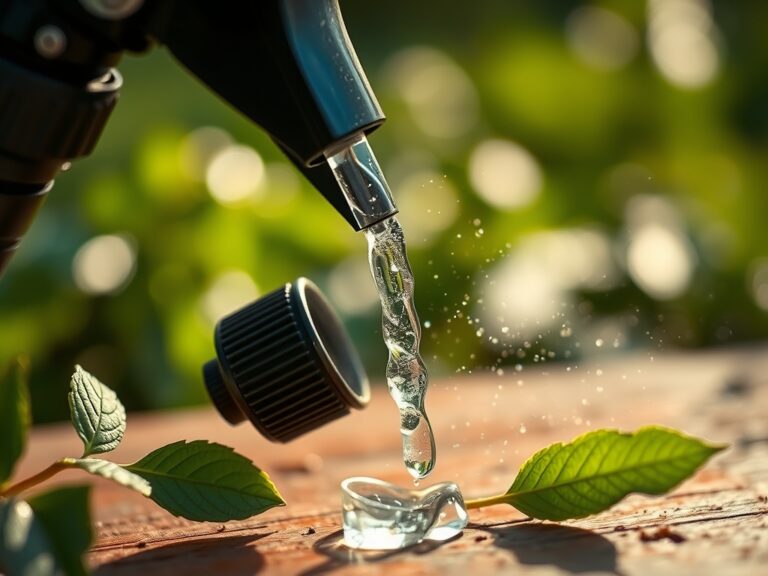
The best grease is a high-viscosity lithium or marine-grade lubricant. These formulas resist water washout and the acidic pH of plant sap. Consistent lubrication prevents metal-on-metal friction, ensuring the bypass blades maintain a surgical edge for clean vascular cuts.
How often should I lubricate my pruning tools?
Lubricate pivot joints every 10 hours of active use or after cleaning with isopropyl alcohol. Alcohol strips away protective oils. Reapplying grease immediately prevents oxidation and ensures the mechanical advantage of the tool remains optimized for high-density wood.
Can I use WD-40 on my lopper joints?
WD-40 is a solvent and displacement agent, not a long-term lubricant. It evaporates quickly and leaves the metal vulnerable to sap acids. Use a dedicated lithium grease or a food-grade mineral oil for superior, long-lasting mechanical protection.
Why are my loppers tearing the bark?
Tearing usually indicates a loose pivot bolt or a lack of lubrication. Friction in the joint prevents the blades from crossing smoothly. This creates a "crushing" force rather than a "shearing" force, damaging the plant's phloem and delaying wound closure.