6 Bamboo-Based Steps to Prepare a Sturdy DIY Plant Stake
The smell of damp earth after a saturation event signals the peak of microbial activity within the rhizosphere. When a plant reaches maximum turgor pressure, its cellular walls stretch to their limit; however, heavy fruit loads or high winds can quickly lead to mechanical failure. Learning how to prepare a DIY plant stake is the only way to ensure structural integrity during rapid vegetative expansion. Using bamboo provides a high strength to weight ratio that supports heavy vascular systems without compressing the soil.
Materials:
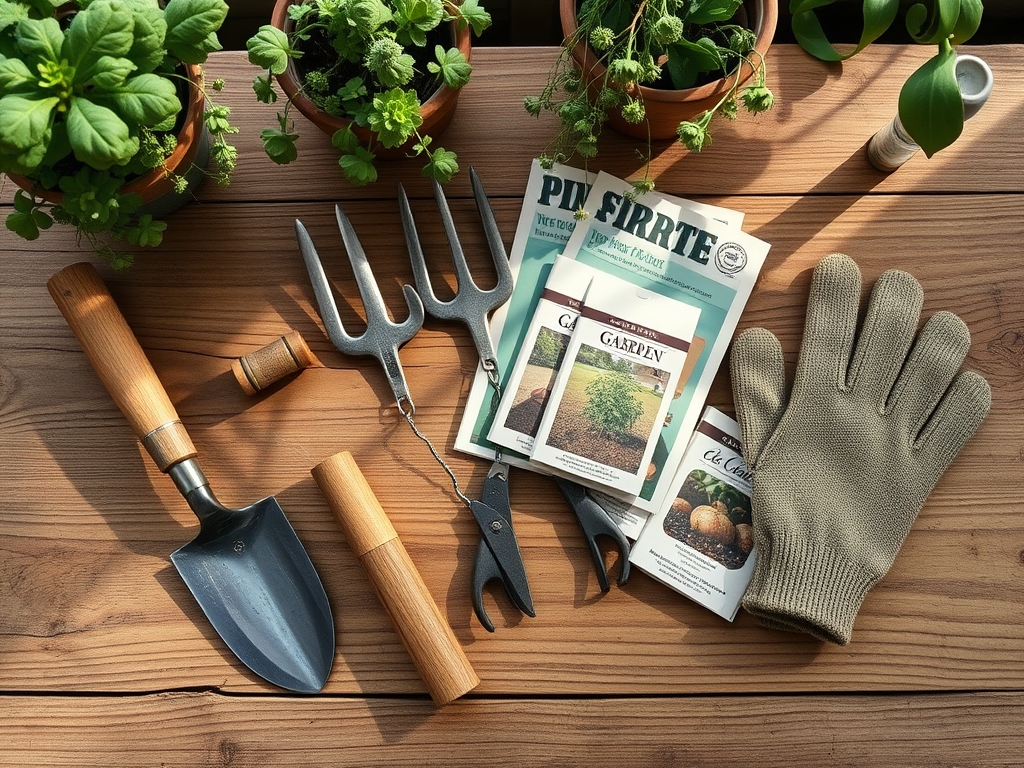
To support a plant effectively, the substrate must be a **friable loam** with a **pH between 6.0 and 7.0**. This acidity range ensures that essential cations like Calcium (Ca2+) and Magnesium (Mg2+) remain bioavailable for cell wall strengthening. Before inserting your stakes, analyze your soil NPK ratio. A balance of **5-10-10** is preferable for staked crops; lower nitrogen prevents excessive succulent growth that becomes too heavy for the bamboo to support. The physical texture of the soil should allow for a stake penetration depth of at least **12 inches** to reach the more stable subsoil layers.
Timing:
Timing is dictated by the USDA Hardiness Zones and the specific biological clock of the cultivar. In Zones 5 through 8, staking must occur after the final spring frost but before the plant reaches 30 percent of its mature height. This window usually aligns with the transition from the lag phase to the log phase of vegetative growth. If you wait until the reproductive stage (flowering), you risk damaging the established root architecture. Inserting a stake during the early vegetative stage allows the root system to grow around the bamboo, creating a more stable anchor through mycorrhizal integration.
Phases:

Sowing and Initial Support
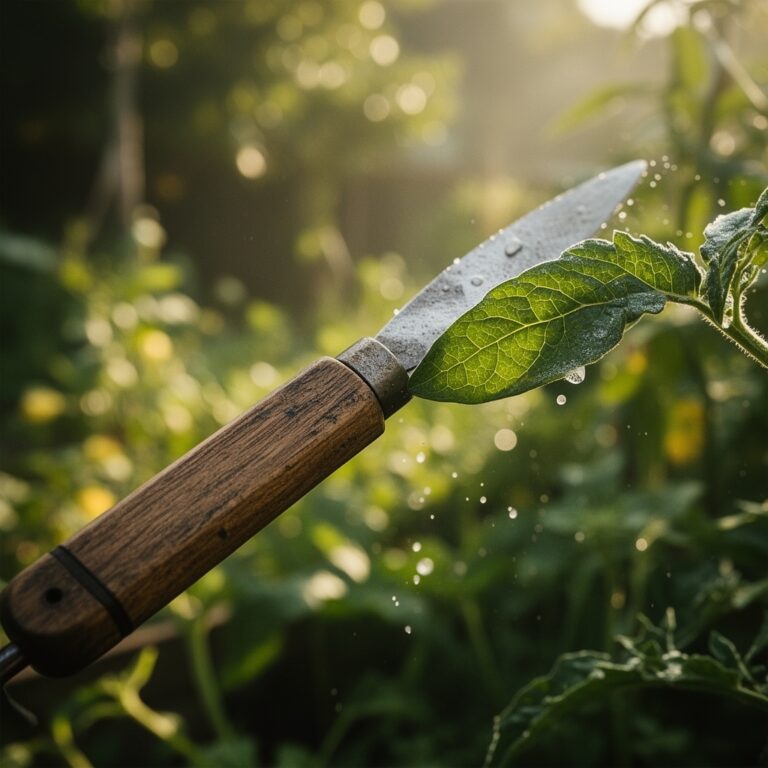
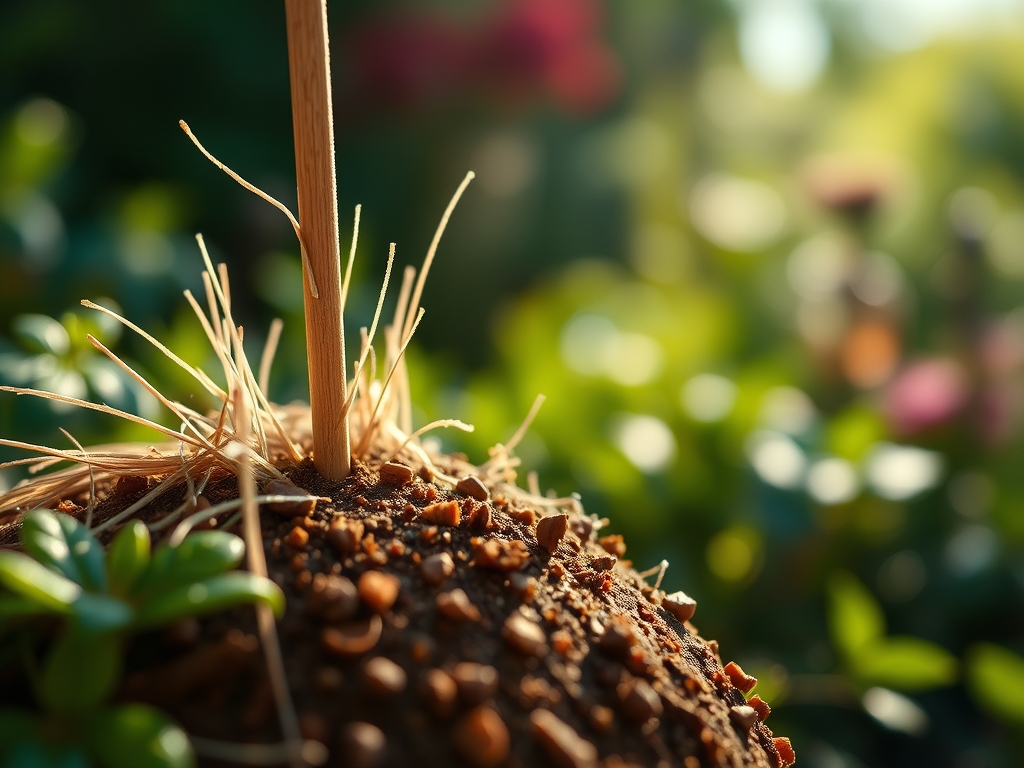
Select cured bamboo culms with a diameter of at least 0.5 inches. Use a hori-hori knife to sharpen the distal end into a point. This reduces the surface area upon entry, minimizing the severance of lateral roots. Drive the stake into the ground on the windward side of the seedling at a 15 degree angle away from the main stem.
Pro-Tip: Proper placement prevents thigmomorphogenesis, which is the alteration of plant growth patterns in response to mechanical sensation. By providing support early, the plant allocates more energy to vertical elongation rather than thickening the lower stem unnecessarily.
Transplanting and Securing
As the plant enters its rapid growth phase, use soft jute twine to secure the main lead to the bamboo. Use a figure-eight knot to provide a buffer zone. This prevents the twine from constricting the phloem and xylem as the stem diameter increases. Ensure there is at least 1 inch of slack between the stake and the plant.
Pro-Tip: The figure-eight knot mitigates auxin suppression. If a stem is tied too tightly, the flow of auxins is disrupted; this leads to stunted growth and poor apical dominance.
Establishing Structural Maturity
Once the plant reaches the reproductive stage, add secondary horizontal supports if the species is prone to lateral heavy fruiting. Check the tension of the ties weekly. Use a soil moisture meter to ensure the area around the stake remains hydrated; dry soil shrinks and can cause the stake to wobble, leading to root shear.
Pro-Tip: Maintaining consistent moisture levels supports turgor pressure. A dehydrated plant loses its internal structural rigidity, placing the entire mechanical load on the DIY stake and increasing the risk of snap-off at the tie points.
The Clinic:
Physiological disorders often mimic mechanical damage. Use the following diagnostic data to differentiate between structural needs and biological deficiencies.
- Symptom: Stem buckling despite staking. Solution: Check for Calcium deficiency. Calcium is essential for pectin formation in cell walls. Apply a foliar spray of calcium nitrate at a rate of 1 tablespoon per gallon.
- Symptom: Yellowing of lower leaves (Chlorosis). Solution: This is a Nitrogen deficiency. The plant is mobile-nutrient mining to support new growth. Amend with a high-nitrogen (20-0-0) liquid fertilizer.
- Symptom: Brittle, snapping stems. Solution: Boron toxicity or deficiency. Ensure your soil Cation Exchange Capacity (CEC) is balanced. Boron facilitates sugar transport; without it, stems lose elasticity.
- Fix-It for Chlorosis: If the veins remain green but the leaf turns yellow, apply chelated iron. Maintain a soil temperature of 65 degrees Fahrenheit for optimal uptake.
Maintenance:
Precision maintenance is required to keep the support system functional. Provide 1.5 inches of water per week at the drip line, not the base of the stake. Use bypass pruners to remove any "suckers" or axillary buds that increase wind resistance and weight. Monitor the bamboo for fungal degradation at the soil line. If the bamboo becomes soft, replace it immediately to prevent the introduction of pathogens into the rhizosphere. Use a soil moisture meter daily during heat waves to ensure the root zone does not drop below 40 percent field capacity.
The Yield:
For fruiting plants, harvest when the fruit reaches its specific "breaker stage" or color maturity. Use sharp shears to cut the peduncle; never pull the fruit, as this puts lateral stress on the bamboo stake and can dislodge the root ball. For "day-one" freshness, harvest in the early morning when evapotranspiration is lowest. Immediately place the harvest in a shaded, cool environment to arrest senescence and preserve the sugar-to-acid ratio.
FAQ:
What is the best material for a DIY plant stake?
Cured bamboo is superior due to its high silica content and tensile strength. It resists decay better than untreated pine and provides enough flexibility to move slightly with wind, which encourages stronger internal plant tissues.
How deep should I drive the stake?
Insert the stake at least 12 to 18 inches into the substrate. It must penetrate the loose topsoil and reach the more compacted subsoil to provide a lever-resistant anchor for heavy vegetative loads.
Can I reuse bamboo stakes every year?
Yes, but they must be disinfected. Soak stakes in a 10 percent bleach solution for 20 minutes to kill soil-borne pathogens and fungal spores before storing them in a dry, well-ventilated area for the winter.
How do I prevent the stake from damaging roots?
Use a sharpened end and insert the stake at least 4 to 6 inches away from the base of the plant. Angle the stake slightly away from the center to avoid the primary taproot and major lateral roots.