9 Simple Steps to Sheet Mulching Garden
Sheet mulching transforms barren soil into fertile, weed-suppressed growing spaces through layered organic materials that decompose in place. The steps to sheet mulching garden begin with cardboard or newspaper as a weed barrier, followed by alternating carbon and nitrogen layers that feed soil organisms while building humus. This lasagna-style method mimics forest floor dynamics, where fallen leaves and woody debris create self-renewing fertility through microbial action and fungal colonization.
Materials
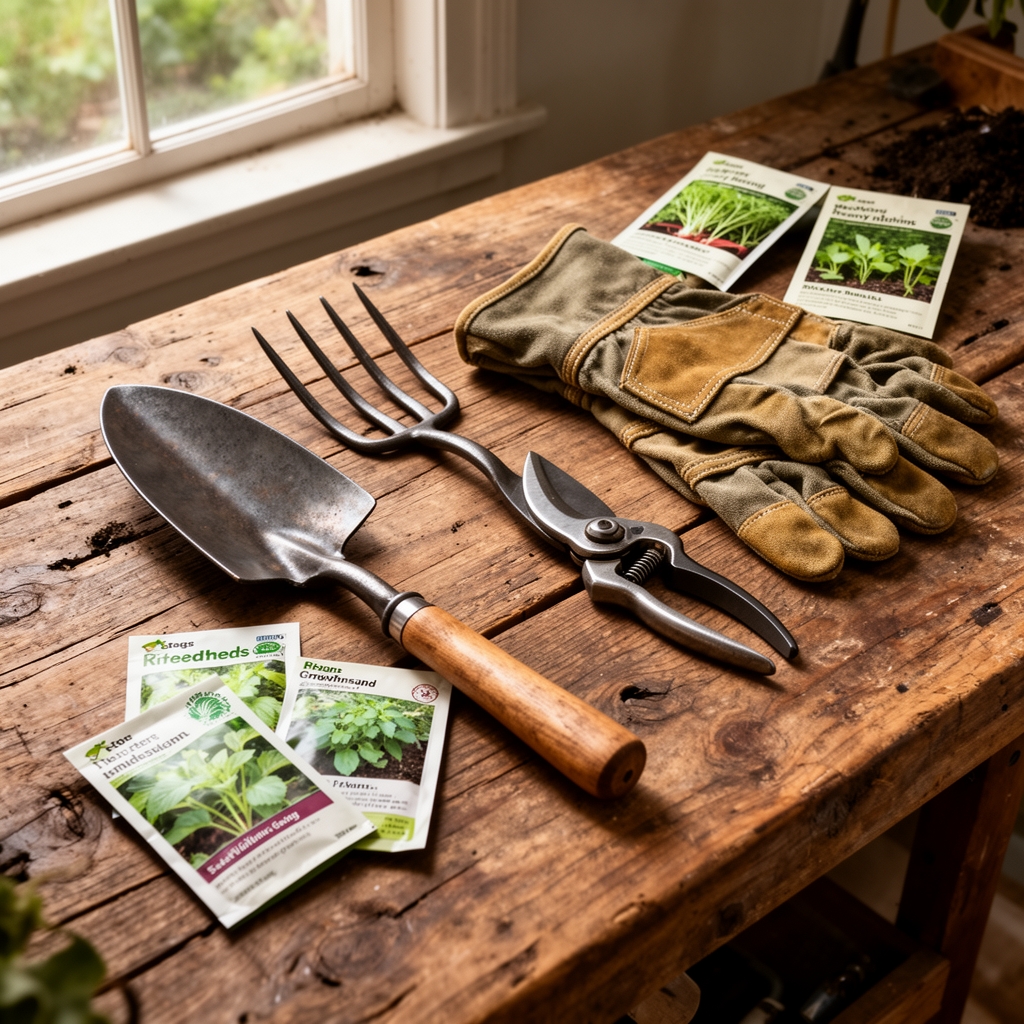
Carbon-rich brown materials form the structural backbone. Corrugated cardboard (pH 6.5-7.0) breaks down in 4-6 months. Straw and dried leaves provide a carbon-to-nitrogen ratio of 80:1, essential for balanced decomposition. Wood chips from deciduous trees (oak, maple) offer slow-release structure for 18-36 months.
Nitrogen-rich green materials accelerate breakdown. Grass clippings deliver quick nitrogen (3-1-2 NPK approximate) but require thin 2-inch layers to prevent anaerobic matting. Composted manure (1-1-1 NPK) provides slow-release fertility and introduces beneficial bacteria. Alfalfa meal (3-1-2 NPK) supplies triacontanol, a natural growth stimulant, at 5 pounds per 100 square feet.
Amendments enhance cation exchange capacity. Rock dust (basalt or granite) provides trace minerals and raises pH by 0.3-0.5 points over two seasons. Kelp meal (1-0-2 NPK) introduces cytokinins and over 60 trace elements. Bone meal (3-15-0 NPK) supplies phosphorus for root development in a form available over 6-8 months.
Timing
Hardiness Zones 3-6 benefit from fall installation, September through October. Microbial populations remain active until soil temperatures drop below 40°F, giving materials a 6-week decomposition head start before winter dormancy. Spring planting follows in May after last frost dates.
Zones 7-9 should install sheet mulching in late winter, January through February. Mild winters allow continuous decomposition. Avoid summer installation when temperatures exceed 85°F; heat stress inhibits mycorrhizal fungi colonization and desiccates cardboard before it can suppress weeds.
Zone 10-11 gardeners should time installation to precede monsoon or rainy seasons. Moisture activates decomposition while cooler temperatures (70-80°F) optimize microbial activity. Wait 8-12 weeks before planting to allow adequate breakdown of raw materials.
Phases

Preparation Phase
Mow existing vegetation to 2-inch height. Leave clippings in place as initial nitrogen layer. Mark irrigation lines and avoid covering water sources. Soak cardboard sheets in water for 5 minutes to improve malleability and ensure tight contact with soil surface.
Pro-Tip: Water the ground 24 hours before installation to activate dormant weed seeds. Surface moisture helps cardboard adhere without air pockets where roots can penetrate.
Layering Phase
Overlap cardboard edges by 6 inches minimum to prevent weed breakthrough at seams. First brown layer should be 4-6 inches of straw or leaves. Add 2-inch green layer of grass clippings or composted manure. Repeat brown/green sequence three times, maintaining a 3:1 carbon-to-nitrogen ratio by volume.
Pro-Tip: Sprinkle mycorrhizal inoculant (Glomus intraradices) at 1 teaspoon per square foot between layers 2 and 3. Fungal hyphae extend root absorption capacity by 100-1000x, accessing phosphorus in a 10-inch radius beyond root tips.
Establishment Phase
Top with 3-4 inches of finished compost as planting medium. Water entire structure to field capacity, approximately 1.5 inches of water applied slowly over 2-3 hours. Allow 4-6 weeks for mesophilic bacteria (optimal growth at 68-113°F) to colonize layers before transplanting.
Pro-Tip: Test soil temperature at 4-inch depth. When readings stabilize at 55°F or above, auxin distribution in transplant roots accelerates, reducing transplant shock by 40-60%.
Troubleshooting
Symptom: Persistent weed emergence through cardboard seams.
Solution: Apply additional 4-inch mulch layer directly over problem areas. Cut weeds at soil line rather than pulling; disturbance creates air channels. Re-wet thoroughly.
Symptom: Nitrogen deficiency (chlorosis in lower leaves) in plants 3-4 weeks post-transplant.
Solution: Side-dress with blood meal (12-0-0 NPK) at 1 pound per 25 square feet. Raw carbon materials immobilize nitrogen during decomposition; supplemental N compensates until microbial populations stabilize.
Symptom: Fungal mat formation (white mycelial network) on cardboard surface.
Solution: This indicates healthy decomposition, not disease. If excessive, turn top 2 inches of mulch to increase aeration and reduce surface moisture.
Symptom: Slow decomposition after 8 weeks; cardboard remains intact.
Solution: Check moisture at cardboard level. Material should feel like a wrung-out sponge. If dry, apply 0.5 inches of water weekly. Add nitrogen source (fish emulsion 5-1-1 diluted 1:4) to accelerate microbial activity.
Symptom: Pill bugs or sowbugs congregating in mulch layers.
Solution: These isopods consume decaying plant matter, not living tissue. Populations decline naturally as raw materials decompose. Reduce surface moisture by extending watering intervals by 1-2 days.
Maintenance
Water deeply every 7-10 days during establishment, targeting 1 inch of water measured with rain gauge. Once plants root into underlying soil (6-8 weeks), reduce frequency to every 10-14 days in clay soils, every 5-7 days in sandy soils.
Refresh mulch layers annually each fall. Add 2-3 inches of wood chips or shredded leaves to maintain weed suppression and continue feeding soil organisms. Avoid cultivating or tilling; disturbance destroys fungal networks and releases sequestered carbon.
Monitor pH annually with soil test. Sheet mulching typically lowers pH by 0.2-0.4 points as organic acids form during decomposition. If pH drops below 6.0, broadcast dolomitic limestone at 5 pounds per 100 square feet.
FAQ
How soon can I plant after installing sheet mulch?
Wait 4-6 weeks minimum for robust transplants. For seeds, wait 8-12 weeks until cardboard fully decomposes. Create immediate planting pockets by cutting 12-inch diameter holes through cardboard and filling with 6 inches of finished compost.
Will sheet mulching attract rodents?
Thick mulch provides habitat if food sources exist. Remove fallen fruit promptly. Use 0.25-inch hardware cloth barriers around tree trunks. Avoid seed-containing hay; use straw instead.
Can I sheet mulch over Bermuda grass or bindweed?
Increase cardboard to 3-4 layers (0.75-inch total thickness) for rhizomatous perennials. Monitor for breakthrough monthly during first growing season. Persistent shoots indicate insufficient barrier thickness or edge gaps.
Does sheet mulching acidify soil excessively?
Fresh wood chips release organic acids but effect is temporary and localized to top 3 inches. Finished compost (pH 6.5-7.5) as top layer buffers acidification. Test soil pH at 6-inch depth annually.
What is the ideal final height for sheet mulch layers?
Target 12-18 inches total depth at installation. Layers compress to 6-8 inches within 6 months as decomposition proceeds. Final settled height of 4-6 inches provides optimal weed suppression and moisture retention.