9 Vital Steps to Brew Compost Tea
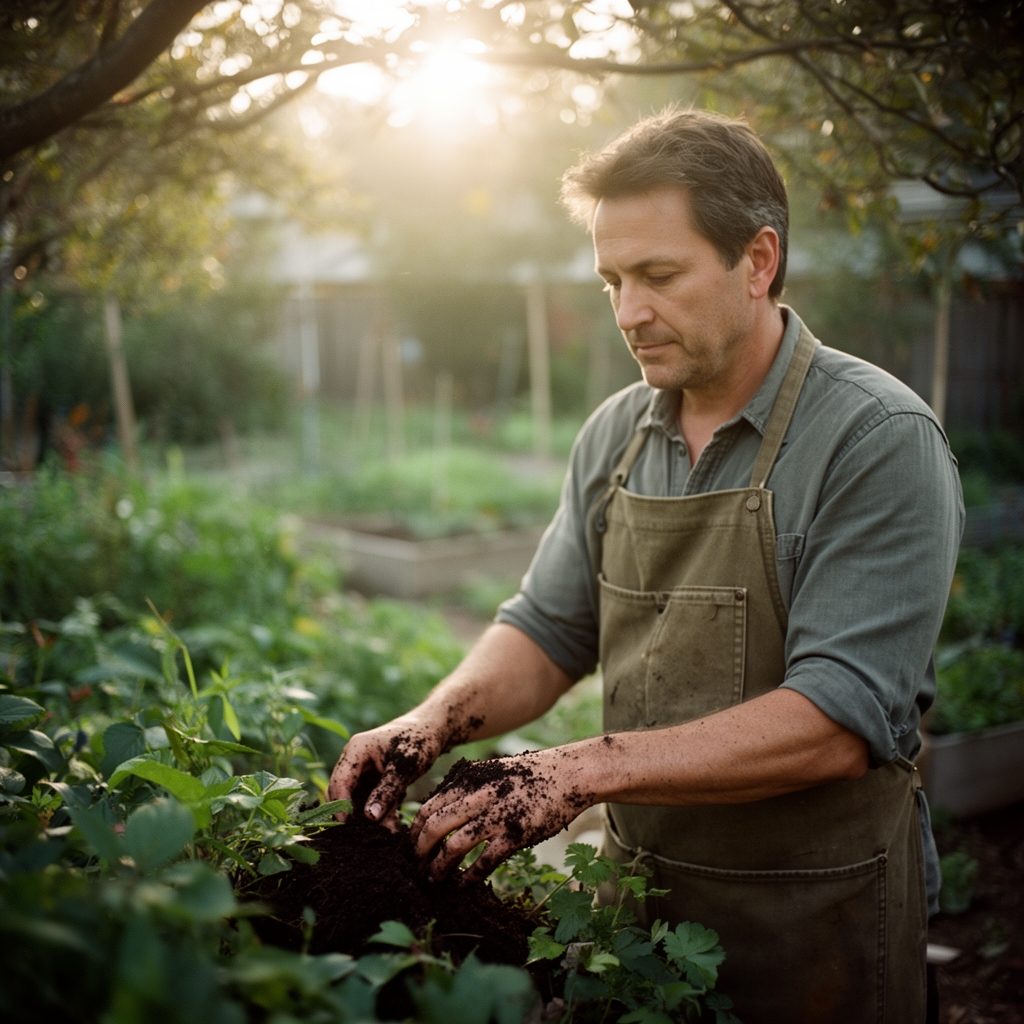
The morning air carries the earthy scent of well-aged compost, and in your hands, a five-gallon bucket holds the potential to transform your garden's biological community. The steps to brew compost tea begin with understanding that this is not mere fertilizer but a living solution teeming with beneficial bacteria, protozoa, and mycorrhizal fungi. When executed correctly, actively aerated compost tea delivers populations of microorganisms that colonize leaf surfaces and root zones, suppressing disease while enhancing nutrient cycling through improved cation exchange capacity.
Materials for Biological Brewing
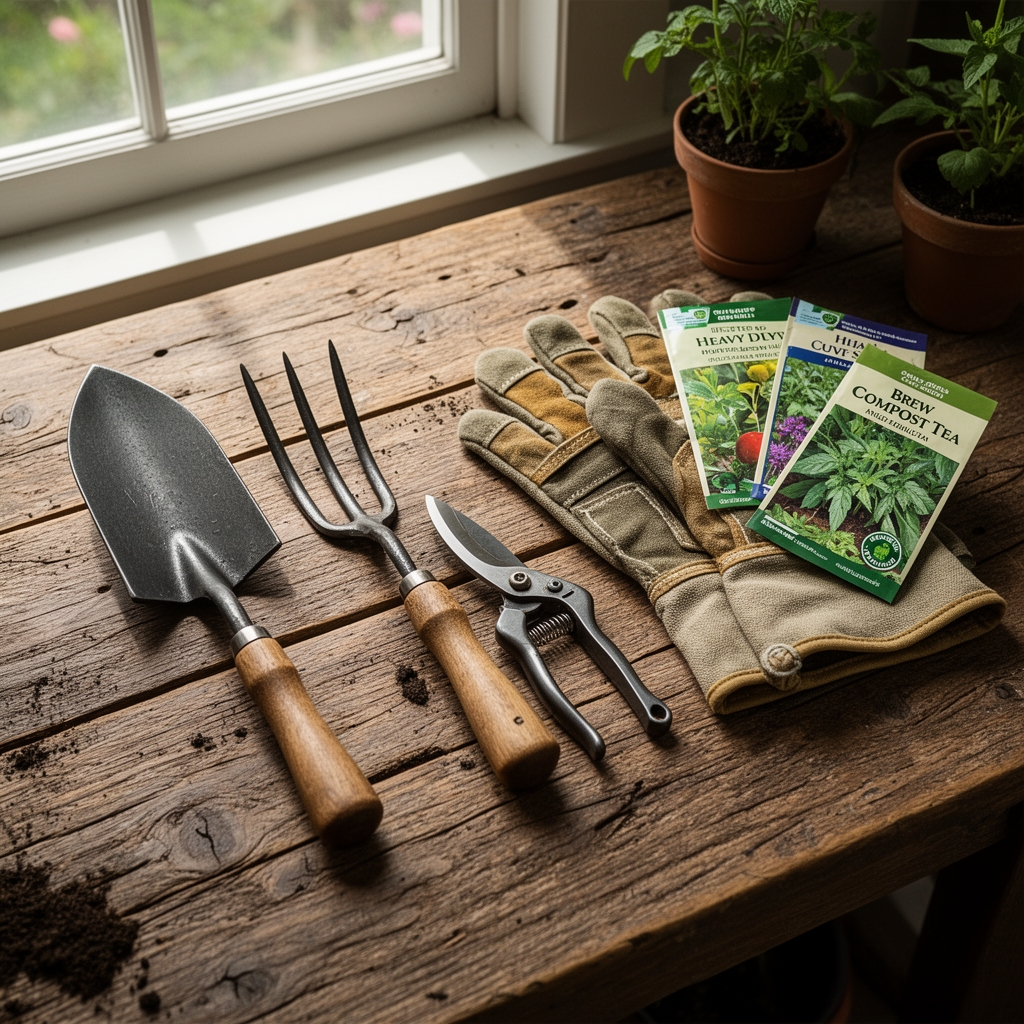
The foundation requires finished compost aged 6-12 months with a carbon-to-nitrogen ratio near 25:1 and pH between 6.5-7.5. Select compost derived from diverse feedstocks including aged manure, leaf mold, and vegetable scraps to maximize microbial diversity. For a standard five-gallon batch, measure one pound of this finished compost.
Your brewing vessel needs a five-gallon food-grade bucket, an aquarium air pump rated for at least 10 gallons, 18 inches of aquarium tubing, and an air stone. The pump must deliver dissolved oxygen levels above 6 ppm throughout the brewing cycle to maintain aerobic conditions and prevent anaerobic pathogens.
Microbial food sources determine the final tea character. For bacterial-dominated tea suited to vegetables and annuals, add two tablespoons of unsulfured blackstrap molasses (approximate NPK 1-0-5). For fungal-dominated tea appropriate for woody perennials and established shrubs, substitute one tablespoon of kelp meal (NPK 1-0.5-2) and one tablespoon of fish hydrolysate (NPK 4-1-1). Include one tablespoon of humic acid powder to enhance nutrient chelation and improve auxin distribution in treated plants.
Dechlorinated water is essential. Municipal water containing more than 0.5 ppm chlorine will suppress bacterial populations. Fill your bucket 24 hours in advance and let it stand uncovered, or treat immediately with ascorbic acid at 50 mg per gallon.
Timing Your Brew Cycles
Compost tea application aligns with active growth periods across hardiness zones. In zones 3-5, begin brewing in mid-May after the last frost date when soil temperatures reach 55°F and microbial activity accelerates. Zone 6-7 gardeners can start in late April, while zones 8-10 may brew year-round with reduced frequency during dormant periods.
Optimal application occurs during early morning or late evening when stomata are open and UV radiation is minimal. Brew tea 24-36 hours before application, as microbial populations peak during this window and decline rapidly after 48 hours. Schedule biweekly applications during vegetative growth phases and monthly applications during fruiting.
Brewing Phases and Critical Steps
Phase One: Initiation (Hour 0-2)
Fill your bucket with four gallons of dechlorinated water at 65-75°F. Suspend the air stone at the bottom center and activate the pump. Water should show vigorous rolling motion with bubbles breaking the surface across the entire diameter.
Place your one pound of compost in a mesh paint strainer bag or nylon stocking. Submerge the bag and secure it to the bucket handle so it floats mid-depth in the turbulent water column. Add your chosen microbial food source. Stir gently with a clean wooden spoon.
Pro-Tip: Measure initial dissolved oxygen with an aquarium DO meter. Readings below 6 ppm indicate inadequate aeration; upgrade your pump or reduce batch size.
Phase Two: Active Growth (Hour 2-24)
The solution develops a pleasant earthy smell and light brown color as bacterial populations double every 20 minutes under ideal conditions. Fine bubbles coat all surfaces. Check every 6-8 hours to ensure continuous aeration. Any mechanical failure longer than one hour triggers anaerobic conditions.
Pro-Tip: At hour 12, add one more tablespoon of molasses to sustain exponential microbial growth through the final harvest window.
Phase Three: Harvest (Hour 24-36)
Peak microbial populations occur between 24-30 hours. Remove the compost bag and squeeze thoroughly to extract remaining organisms. Strain the finished tea through cheesecloth into a watering can or backpack sprayer with a 400-micron filter.
Apply immediately. Every hour of storage reduces viable microorganism counts by 10-15 percent even with continued aeration. Dilute concentrated tea 1:4 with dechlorinated water for foliar application or use full-strength as a soil drench at one gallon per 10 square feet of bed space.
Pro-Tip: Reserve two cups of finished tea and examine under a microscope at 400x magnification. Healthy tea shows active bacterial motility, flagellated protozoa, and if brewing fungal tea, hyphal fragments longer than three bacterial cell lengths.
Troubleshooting Brewing Failures
Symptom: Sulfur or ammonia odor develops
Solution: Anaerobic conditions have occurred. Discard the batch immediately; do not apply. Check pump function, increase aeration capacity, or reduce organic matter load by 25 percent in the next batch.
Symptom: No foam or bubble structure forms
Solution: Compost may be biologically inactive or too dry. Test source compost by mixing one tablespoon with water in a jar; viable compost produces detectable warmth within 48 hours. Replace compost source or verify age and storage conditions.
Symptom: White filmy layer on surface
Solution: This indicates yeast overgrowth from excess simple sugars. Reduce molasses by half. Increase aeration intensity. The batch remains usable but bacterial diversity is compromised.
Symptom: Tea appears clear with no color change
Solution: Insufficient microbial extraction from compost. Water temperature may be below 60°F, slowing metabolism. Reheat water gently or move brewing operation to a warmer location maintaining 68-72°F ambient temperature.
Maintenance and Application Protocols
Apply compost tea to pre-moistened soil and leaf surfaces. Foliar applications require coverage to runoff at 5-10 gallons per 1,000 square feet using a spray wand with gentle pressure below 40 PSI to avoid shearing delicate fungal hyphae. Soil drenches deliver one quart per mature shrub, one gallon per small tree, or two gallons per 100 square feet of vegetable bed.
Reapply every 14 days during active growth. Reduce to monthly applications once plants enter reproductive phases or approach dormancy. Store unused compost in covered bins maintaining 40-60 percent moisture content, turning every two weeks to preserve microbial diversity for subsequent brews.
Clean all equipment with 3 percent hydrogen peroxide solution between batches. Rinse thoroughly. Avoid antibacterial soaps or bleach, as residues will compromise future brews even at trace concentrations.
Frequently Asked Questions
Can I brew compost tea without an air pump?
No. Static steeping produces anaerobic conditions that culture E. coli and salmonella. Only actively aerated methods generate safe, beneficial microbial populations.
How long does brewed tea remain effective?
Maximum potency lasts 4 hours post-brewing. By 24 hours, 70 percent of organisms have died or entered dormancy. Apply immediately after harvest for best results.
Will compost tea burn plants?
Properly brewed aerobic tea cannot burn plants as it contains minimal soluble nitrogen. The NPK contribution is negligible; value lies in biological inoculation rather than fertility.
Can I brew indoors during winter?
Yes, provided ambient temperatures stay above 65°F. Cold conditions below 55°F slow microbial reproduction, requiring 48-hour brew times and producing weaker populations.
Is purchased compost suitable for brewing?
Bagged compost often contains insufficient microbial diversity due to heat pasteurization and storage. Verify live biology by conducting a germination bioassay or source from local producers using thermophilic composting methods that preserve beneficial organisms.