9 Vital Steps to Apply Water Soluble
The first spring rain releases nitrogen from the soil profile, but synthetic and organic water-soluble fertilizers deliver nutrients faster than any natural cycle. Understanding the precise steps to apply water soluble fertilizers transforms guesswork into measurable yield increases, whether you're feeding container tomatoes or broadcast-fertilizing a quarter-acre vegetable plot. The difference between pale, stunted growth and robust production often lies in dilution rates, application frequency, and timing relative to root development.
Water-soluble fertilizers dissolve completely in irrigation water, moving nutrients directly into the root zone through mass flow and diffusion. This method bypasses the slow mineralization required by granular amendments, providing immediate access to nitrogen, phosphorus, and potassium. Professional growers rely on electrical conductivity meters and tissue sampling to fine-tune these applications, but home gardeners achieve excellent results by following systematic protocols that account for plant stage, substrate type, and environmental conditions.
Materials
Select a formulation that matches your crop's nutritional demands and your soil's existing fertility. Balanced formulas like 20-20-20 suit general vegetable production in neutral pH soils (6.5 to 7.0). High-nitrogen blends such as 24-8-16 accelerate vegetative growth in leafy greens and brassicas. Bloom-boosting formulas like 10-30-20 increase phosphorus availability during reproductive phases in tomatoes, peppers, and flowering annuals.
Organic water-soluble options include fish hydrolysate (4-1-1), which supplies slow-release nitrogen and trace elements, and seaweed extract (1-0-4), rich in cytokinins and auxins that promote root branching. Synthetic chelated micronutrient packages provide iron, manganese, and zinc in forms that remain available even in alkaline soils with pH above 7.5.
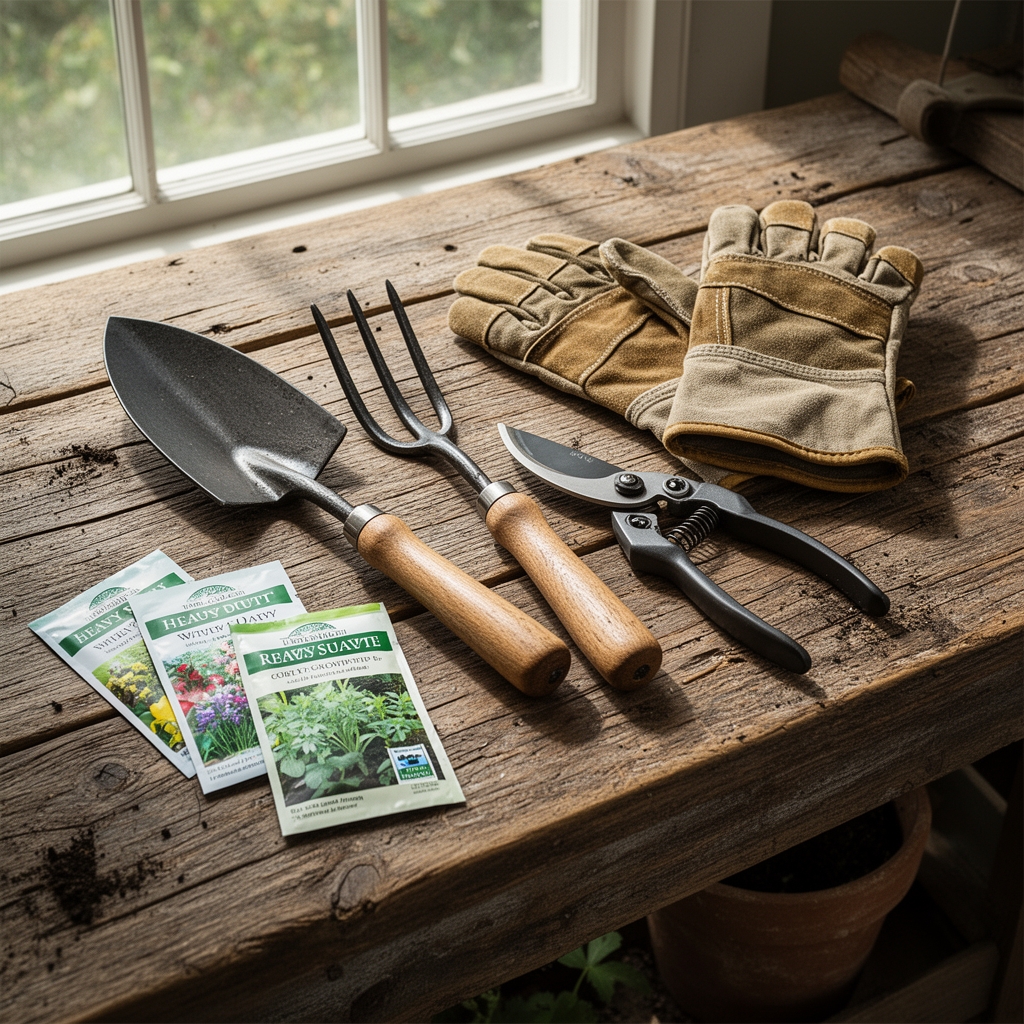
Gather a dedicated watering can or hose-end injector calibrated to deliver 200 ppm nitrogen. A digital scale ensures accurate measurement. Protective gloves prevent skin contact with concentrated salts. A pH meter confirms that your solution remains within the optimal 5.8 to 6.5 range for soilless media or 6.0 to 7.0 for mineral soils.
Timing
Apply water-soluble fertilizers during active growth periods when root systems can immediately absorb nutrients. In USDA Hardiness Zones 5 through 7, begin applications two weeks after the last spring frost date, typically late April through mid-May. Zones 8 and 9 allow year-round feeding for cool-season crops, with reduced frequency from November through February when soil temperatures drop below 50°F.
Early-season applications should coincide with transplanting or when seedlings develop their second set of true leaves. Root cell division peaks during this stage, and adequate phosphorus supports lateral root formation. Mid-season feeding sustains rapid vegetative expansion and flower initiation. Late-season applications, reduced by half strength, extend harvest windows without promoting excessive vegetative growth that diverts energy from fruit ripening.
Avoid applications during heat stress (above 90°F) or drought conditions. Elevated solute concentrations in dry soil create osmotic stress, pulling moisture from root cells rather than delivering nutrients. Wait until temperatures moderate or soil moisture recharges before resuming fertilization.
Phases

Sowing and Germination: Mix solution at one-quarter labeled strength, approximately 50 ppm nitrogen. Water seed trays or direct-seeded beds immediately after planting to establish uniform moisture and provide starter nutrients. Phosphorus in the root zone encourages radicle elongation and mycorrhizal colonization.
Pro-Tip: Inoculate seeds with Rhizophagus irregularis before planting. This arbuscular mycorrhizal fungus extends nutrient uptake by 40 percent in phosphorus-limited soils.
Transplanting: Apply full-strength solution (200 ppm nitrogen) directly to the planting hole before setting transplants. This ensures nutrient availability as roots encounter new substrate and minimizes transplant shock. Water again at soil level, avoiding foliage contact that leaves salt residues.
Pro-Tip: Angle transplants 15 degrees south to maximize solar exposure on the main stem, stimulating auxin distribution toward emerging lateral branches.
Establishing and Vegetative Growth: Feed every seven to ten days during active growth. Increase frequency to every five days for containerized plants in soilless media, which lack cation exchange capacity to buffer nutrients. Monitor electrical conductivity in the root zone; target 1.5 to 2.5 mS/cm for most vegetables.
Pro-Tip: Alternate between nitrogen-heavy and balanced formulas to prevent excessive stem elongation while maintaining chlorophyll synthesis.
Troubleshooting
Symptom: Marginal leaf burn with brown, crispy edges starting on older foliage.
Solution: Salt accumulation from over-application. Leach containers with three times their volume of plain water. Reduce fertilizer concentration by 30 percent and extend intervals between applications.
Symptom: Interveinal chlorosis, yellowing between leaf veins while veins remain green, on new growth.
Solution: Iron deficiency caused by high substrate pH or excessive phosphorus locking out micronutrients. Apply chelated iron (Fe-DTPA) at 2 ounces per gallon as a foliar spray.
Symptom: Stunted growth with dark green to purplish foliage.
Solution: Phosphorus deficiency. Soil temperatures below 55°F inhibit phosphorus uptake even when present. Warm soil with black plastic mulch and apply high-phosphorus starter solution (10-52-10) at 100 ppm.
Symptom: Rapid wilting despite adequate soil moisture.
Solution: Root damage from excessive fertilizer concentration. Flush thoroughly and allow substrate to partially dry between waterings to restore root respiration.
Maintenance
Deliver 1 inch of water per week through rainfall and irrigation combined. In containers, water until 10 to 15 percent drains from the bottom, preventing salt buildup. Check soil moisture 2 inches below the surface; irrigate when dry to the touch.
Reapply water-soluble fertilizer every seven days during peak growth, reducing to every 14 days as fruits mature. Cease nitrogen applications three weeks before final harvest to concentrate sugars and improve storage quality.
FAQ
How much water-soluble fertilizer per gallon?
Mix 1 teaspoon (approximately 5 grams) per gallon for most 20-20-20 formulas to achieve 200 ppm nitrogen. Verify with package instructions, as concentrations vary.
Can I apply water-soluble fertilizer to dry soil?
No. Pre-moisten soil to field capacity. Applying fertilizer to dry substrate concentrates salts and causes root burn.
How often should I feed container plants?
Every five to seven days in soilless media. Containers leach nutrients faster than ground soil due to frequent watering and limited cation exchange capacity.
Is foliar feeding effective?
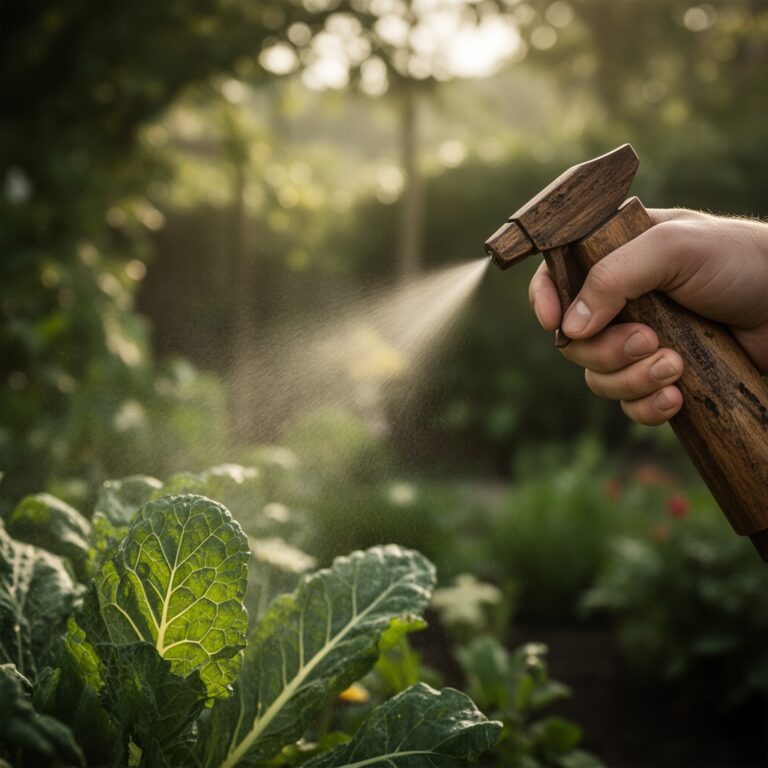
Yes, for micronutrient correction. Spray dilute solution (one-quarter strength) on leaf undersides in early morning. Foliar absorption bypasses root uptake limitations but does not replace soil applications.
When should I stop fertilizing before harvest?
Reduce nitrogen three weeks before harvest. Excess late-season nitrogen produces vegetative growth at the expense of fruit quality and delays maturity.