9 Creative Ways How to Build a Garden Trellis
Damp soil clings to the serrated edge of a stainless steel trowel as the scent of geosmin rises from the disturbed earth. High turgor pressure within a vine stem indicates a plant ready to climb; without structural support, the specimen collapses into the soil, inviting fungal pathogens and reducing photosynthetic efficiency. Learning how to build a garden trellis is a fundamental requirement for managing vertical space and optimizing the rhizosphere by keeping foliage elevated. Structural integrity is paramount for supporting the biomass of heavy fruiting crops like indeterminate tomatoes or pole beans. A well constructed trellis increases airflow, reduces the incidence of powdery mildew, and ensures that solar radiation reaches every leaf surface. This guide provides the technical framework for nine creative vertical support systems designed to maximize yield and plant health in high density environments.
Materials:
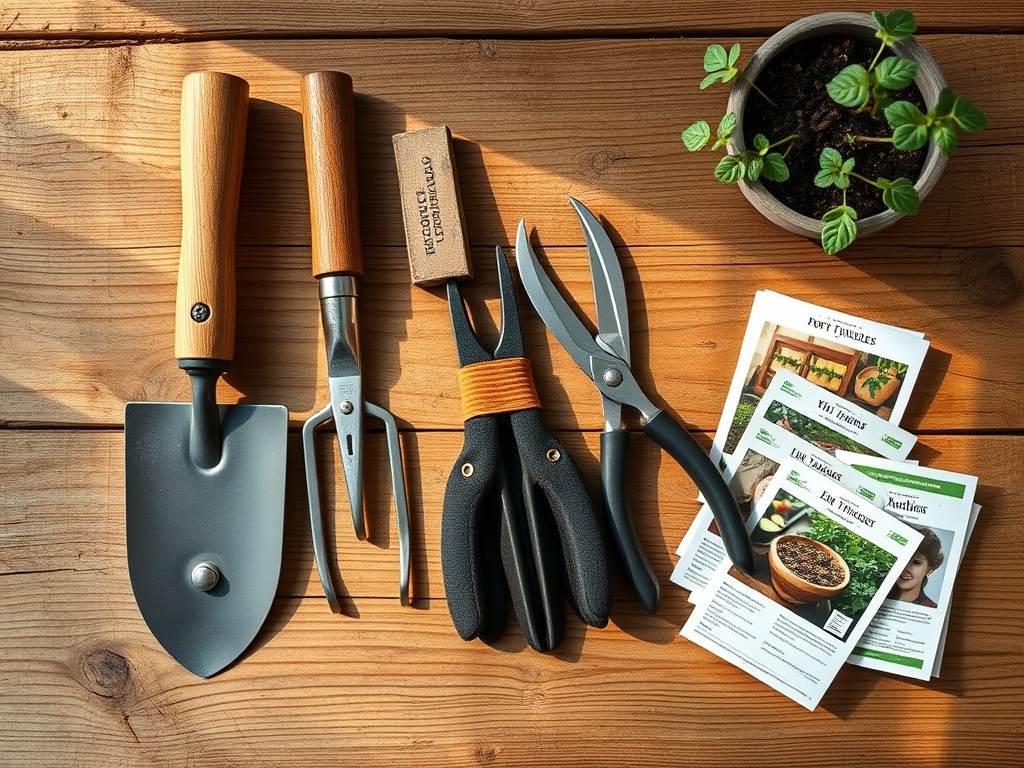
The foundation of any vertical garden begins with the substrate. For climbing plants, the soil must be a **friable loam** with a **Cation Exchange Capacity (CEC) above 15**. This ensures the soil can retain and exchange essential nutrients like calcium and magnesium. Maintain a **soil pH between 6.2 and 6.8** to optimize nutrient bioavailability. Before installation, incorporate organic matter to achieve an **NPK ratio of 5-10-10** for flowering climbers or **10-10-10** for heavy foliage plants. High nitrogen levels promote vegetative growth, but excessive amounts can lead to succulent tissue that is highly susceptible to piercing-sucking insects. Ensure the substrate has a bulk density of approximately **1.3 grams per cubic centimeter** to allow for rapid root penetration and gas exchange within the root zone.
Timing:
Successful trellis implementation depends on the Hardiness Zone and the specific photoperiod requirements of the crop. In Zones 5 through 7, install structures at least two weeks before the last predicted frost date to avoid disturbing established root systems later. The biological clock of the plant dictates the transition from the vegetative stage to the reproductive stage. For many climbers, this transition is triggered by a shift in day length. Installing the trellis during the early vegetative phase allows the plant to utilize thigmotropism, a directional growth movement in response to touch. If the support is provided too late, the plant may experience senescence of lower leaves due to shading and poor air circulation, which negatively impacts the overall energy budget of the organism.
Phases:
Sowing and Direct Support
When direct sowing seeds like Lathyrus odoratus or Phaseolus vulgaris, place the seeds 1 to 2 inches deep and approximately 4 inches from the base of the trellis. This proximity ensures that emerging tendrils can immediately locate the support structure.
Pro-Tip: Utilize the principle of thigmotropism by providing thin twine or wire for the first 12 inches of growth. The plant's sensory cells detect the physical contact, triggering a hormonal response that increases cell elongation on the side away from the support, causing the stem to wrap tightly.
Transplanting and Structural Integration
When moving seedlings from a greenhouse environment, ensure they have at least two sets of true leaves. Dig a hole twice the width of the root ball and position the plant at a 45-degree angle toward the trellis. This reduces the distance the primary shoot must travel to reach the vertical plane.
Pro-Tip: During transplanting, inoculate the root zone with mycorrhizal fungi. This symbiosis expands the effective root surface area by up to 1,000 percent, significantly increasing the plant's ability to uptake phosphorus and water, which supports the rapid biomass production required for climbing.
Establishing and Training
As the plant reaches 12 to 18 inches in height, manual intervention may be required to guide the primary leader. Use soft garden ties to secure the main stem to the trellis, ensuring the ties are loose enough to allow for secondary xylem expansion as the plant matures.
Pro-Tip: Practice auxin suppression by occasionally pinching back the terminal bud. This disrupts apical dominance, redistributing growth hormones to lateral buds and creating a bushier, more productive plant that fills the trellis horizontally rather than just vertically.
The Clinic:
Physiological disorders often manifest when vertical support is inadequate or environmental conditions fluctuate.
- Symptom: Interveinal chlorosis on older leaves.
Solution: This indicates Magnesium deficiency. Apply a foliar spray of Epsom salts (magnesium sulfate) at a rate of 1 tablespoon per gallon of water to restore chlorophyll production. - Symptom: Blossom end rot in climbing fruit.
Solution: This is caused by localized Calcium deficiency and inconsistent moisture. Maintain a steady soil moisture level of 70 percent field capacity using a soil moisture meter. - Symptom: Stunted growth and purple undersides of leaves.
Solution: This is a classic sign of Phosphorus deficiency, often occurring in cold soils below 55 degrees Fahrenheit. Apply a high-phosphate fertilizer (0-20-0) to the rhizosphere. - Fix-It for Nitrogen Chlorosis: If the entire plant turns pale green, apply a quick-release liquid fertilizer with a high N-value to immediately boost vegetative vigor and restore photosynthetic capacity.
Maintenance:
Precision is required to sustain a vertical garden. Deliver 1.5 inches of water per week directly at the drip line using a soaker hose to prevent foliar diseases. Use a soil moisture meter daily to ensure the root zone remains between -10 and -30 kPa of matric potential. For pruning, utilize bypass pruners to make clean, slanted cuts at a 45-degree angle above a node; this prevents water from pooling on the wound and inviting rot. A hori-hori knife is essential for removing deep-rooted weeds that compete for nutrients within the rhizosphere. Monitor the trellis for structural fatigue, especially during the peak reproductive stage when fruit weight is at its maximum.
The Yield:
Harvesting from a trellis requires timing based on physiological maturity. For legumes, harvest when pods are firm and seeds are roughly 25 percent of their final size to ensure maximum tenderness. For indeterminate tomatoes, harvest when the fruit reaches 90 percent color break. Use sharp snips to remove the fruit, leaving a small portion of the pedicel attached to prevent desiccation. To maintain "day-one" freshness, move harvested material into a cool, shaded environment with 85 to 90 percent relative humidity within 15 minutes of removal from the vine. This slows the rate of respiration and preserves the sugars and acids within the plant tissue.
FAQ:
What is the best material for a heavy-duty trellis?
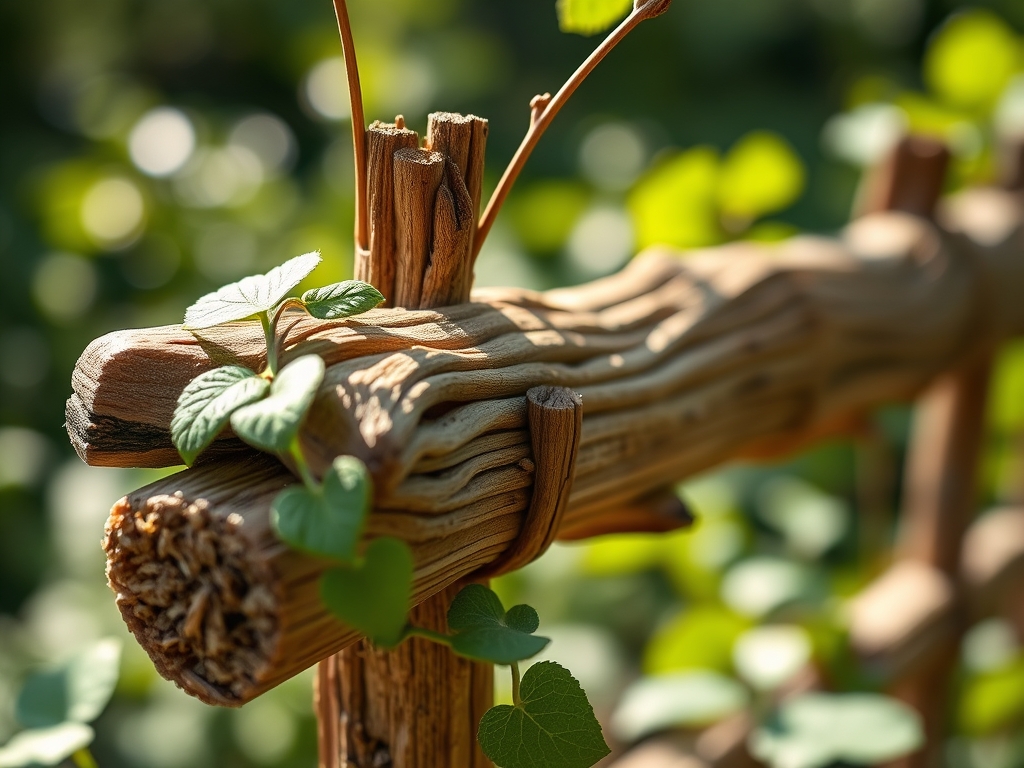
Use 14-gauge galvanized steel cattle panels or pressure-treated 2×4 lumber. These materials withstand the weight of heavy vines and resist environmental degradation for over 10 years in most climates.
How deep should trellis posts be buried?
Posts should be buried at least 24 inches deep for a 6-foot structure. In areas with high wind loads, use concrete footings to ensure the center of gravity remains stable during peak biomass production.
Can I build a trellis for containers?
Yes. Use a tripod or obelisk design made of bamboo or cedar. Ensure the support is anchored to the bottom of the pot before adding substrate to prevent the container from tipping as the plant grows.
How do I prevent wood rot in a trellis?
Select rot-resistant species like Western Red Cedar or Black Locust. Treat non-resistant woods with a food-safe, non-toxic sealer to prevent moisture penetration while protecting the chemical integrity of the surrounding soil.