9 Baking-Soda Steps for Treating Rust Fungus Naturally
The scent of damp, anaerobic soil often precedes the arrival of Pucciniales, the fungal order responsible for rust. You notice the loss of turgor pressure in the foliage as orange, powdery urediniospores erupt through the epidermis of the leaf. This pathogen disrupts photosynthesis and saps the plant of vital carbohydrates. Implementing the correct steps for treating rust with baking soda allows you to alter the leaf surface pH, creating an environment hostile to spore germination without resorting to harsh synthetic fungicides.
Materials:
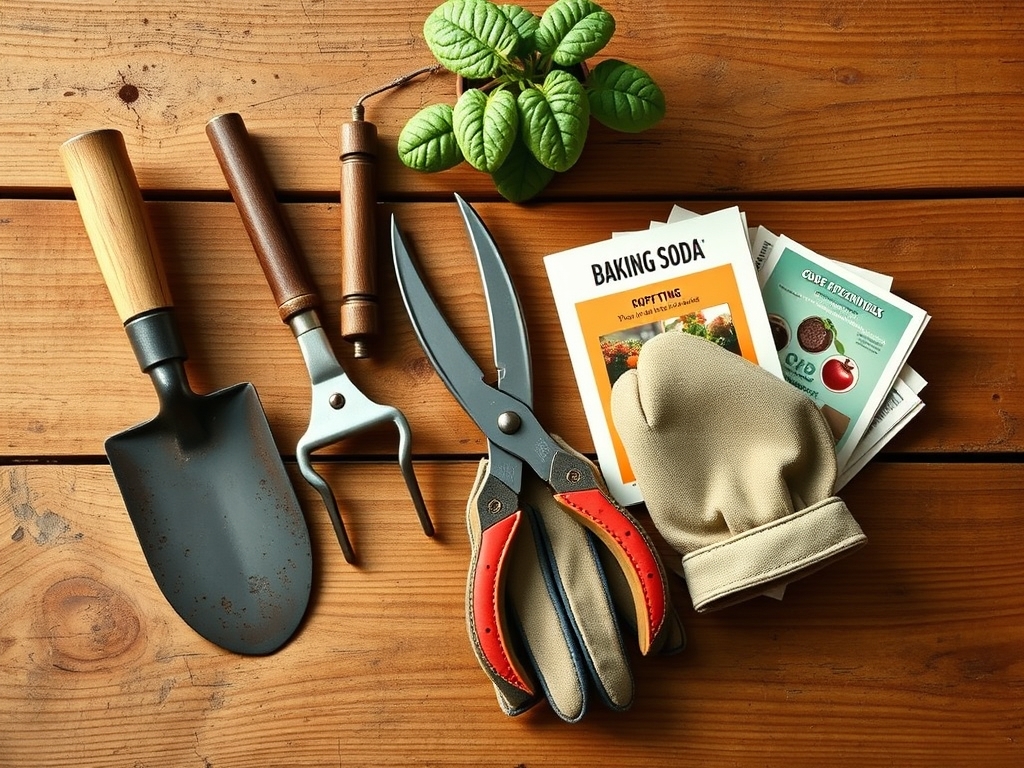
Success starts in the rhizosphere. Your plants require a friable loam with a **soil pH between 6.2 and 6.8** to ensure optimal nutrient bioavailability. High Cation Exchange Capacity (CEC) is essential for retaining the minerals that bolster plant immunity. Use a fertilizer with an **NPK ratio of 5-10-10** for established perennials; avoid high-nitrogen (20-10-10) blends, as rapid, succulent growth is highly susceptible to fungal penetration. You will need sodium bicarbonate (baking soda), horticultural oil (to act as a surfactant), and non-detergent liquid soap. Ensure your water source has a **Total Dissolved Solids (TDS) count below 150 ppm** to prevent mineral buildup on the leaf cuticle.
Timing:
Rust thrives in Hardiness Zones 4 through 9, particularly when ambient temperatures sit between 60 and 75 degrees Fahrenheit with high humidity. Monitor your local frost-date windows; the most critical treatment period occurs during the transition from the vegetative stage to the reproductive stage. This biological clock shift reallocates energy from leaf defense to flower and seed production, leaving the plant vulnerable. Apply your sodium bicarbonate solution in the early morning, specifically before 10:00 AM, to allow the foliage to dry before the sun reaches its zenith. This prevents phytotoxicity and solar scalding.
Phases:

Sowing and Site Selection
Begin by ensuring proper spacing to facilitate laminar airflow. In a standard garden bed, space plants at least 18 to 24 inches apart to reduce the relative humidity within the canopy. Rust spores require a film of water to germinate; increasing the distance between stems allows for rapid evaporation.
Pro-Tip: Proper spacing utilizes the Venturi effect to increase airflow. This prevents the formation of a boundary layer of stagnant, humid air where fungal hyphae can easily penetrate the stomata.
Transplanting and Soil Prep
When moving starts into the field, incorporate organic matter to improve the soil's water-holding capacity while maintaining drainage. A 3-inch layer of arborist wood chips serves as a physical barrier, preventing soil-borne spores from splashing onto the lower leaves during irrigation or rain events.
Pro-Tip: Mycorrhizal symbiosis is critical here. By inoculating roots with Glomus intraradices, you extend the root surface area, allowing the plant to uptake more phosphorus and silicon, which strengthens the cell walls against fungal invasion.
Establishing the Treatment Protocol
Mix one tablespoon of baking soda and half a teaspoon of liquid soap into one gallon of water. Add one tablespoon of horticultural oil to ensure the mixture adheres to the waxy cuticle of the leaf. This solution raises the pH of the leaf surface to an alkaline level, which inhibits the enzymes rust fungi use to break down plant tissue.
Pro-Tip: This treatment relies on altering the phyllosphere pH. Most fungal pathogens have evolved to thrive in slightly acidic environments; by shifting the surface to a basic state, you disrupt the electrochemical gradient required for spore tube elongation.
The Clinic:
Symptom: Chlorotic spotting on upper leaf surface.
Solution: This is the early stage of rust. Increase air circulation and apply the baking soda solution immediately. Ensure you coat the underside of the leaves, where the stomata are most concentrated.
Symptom: Rusty orange pustules (uredinia) on the leaf underside.
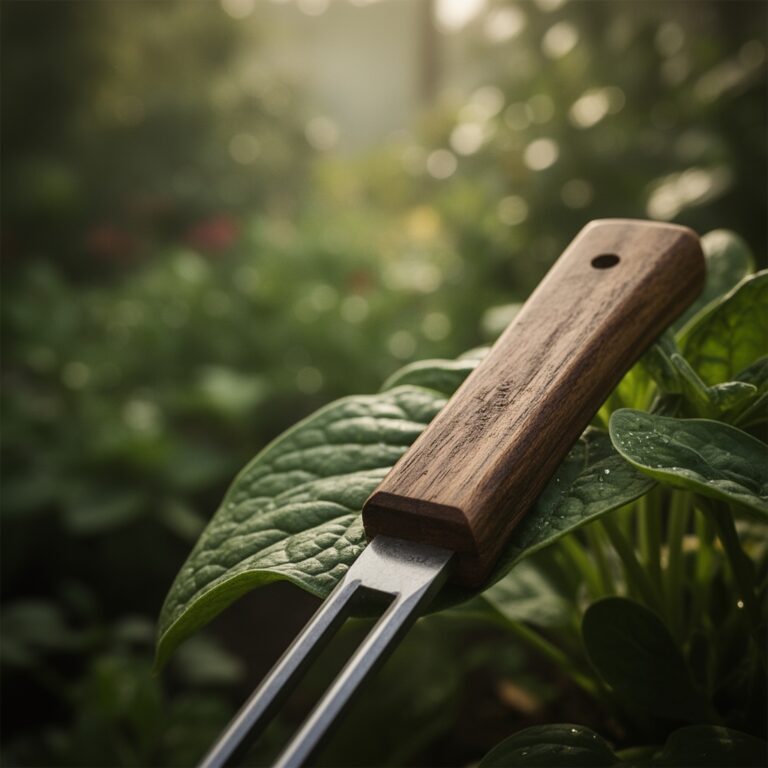
Solution: The fungus has reached the sporulation phase. Manually remove the most infected leaves using a hori-hori knife or bypass pruners. Sterilize your tools in a 70 percent isopropyl alcohol solution between every cut to prevent cross-contamination.
Symptom: Nitrogen Chlorosis (Yellowing of older leaves).
Fix-It: This is a nutrient deficiency, not a fungus. Apply a side-dressing of blood meal or a liquid kelp emulsion. Nitrogen is a mobile nutrient; the plant is scavenging it from old growth to support new apical meristems.
Symptom: Interveinal Necrosis.
Fix-It: This often indicates magnesium deficiency. Apply one tablespoon of Epsom salts per gallon of water as a foliar spray to rapidly restore chlorophyll production.
Maintenance:
Precision irrigation is the primary defense against recurring rust. Deliver 1.5 inches of water per week directly to the drip line using a soaker hose or drip emitters. Avoid overhead watering at all costs. Use a soil moisture meter to ensure the substrate remains at a consistent 40 to 60 percent field capacity.
Regularly inspect the garden with bypass pruners in hand. Thin out the interior of dense shrubs to promote light penetration. This triggers the production of secondary metabolites like lignin, which physically hardens the plant against infection. If you detect localized outbreaks, use your hori-hori knife to scrape away the top inch of mulch where spores may be overwintering and replace it with fresh material.
The Yield:
For ornamental plants, harvest flowers just as the secondary bracts begin to unfurl. For edible crops, harvest when the fruit reaches its characteristic color and the abscission zone at the stem begins to weaken. To maintain "day-one" freshness, harvest during the coolest part of the morning when turgor pressure is at its maximum. Immediately plunge the cut ends into water maintained at 40 degrees Fahrenheit to slow the rate of respiration and senescence. This rapid cooling preserves the sugars and volatile oils within the plant tissues.
FAQ:
How often should I apply the baking soda spray?
Apply the solution every 7 to 10 days or after significant rainfall. Continuous coverage is necessary because the alkaline film washes away easily. Monitor for leaf burn, as excessive sodium can accumulate and cause marginal necrosis on sensitive species.
Can baking soda kill established rust pustules?
Baking soda acts primarily as a preventative and a growth inhibitor. It stops the spread of new spores by altering surface pH. It will not "cure" tissue that is already necrotic, but it prevents the pathogen from colonizing healthy adjacent cells.
Is there a risk of soil toxicity with this method?
Repeated applications can lead to sodium buildup in the soil, potentially raising the pH too high or interfering with potassium uptake. Monitor your soil pH annually and flush the root zone with fresh water if you notice stunted growth.
Why do I need to add oil to the mixture?
The leaf cuticle is hydrophobic. Without a surfactant like horticultural oil or soap, the baking soda solution will bead up and roll off the leaf. The oil ensures a uniform, persistent coating that maximizes the contact time with fungal spores.