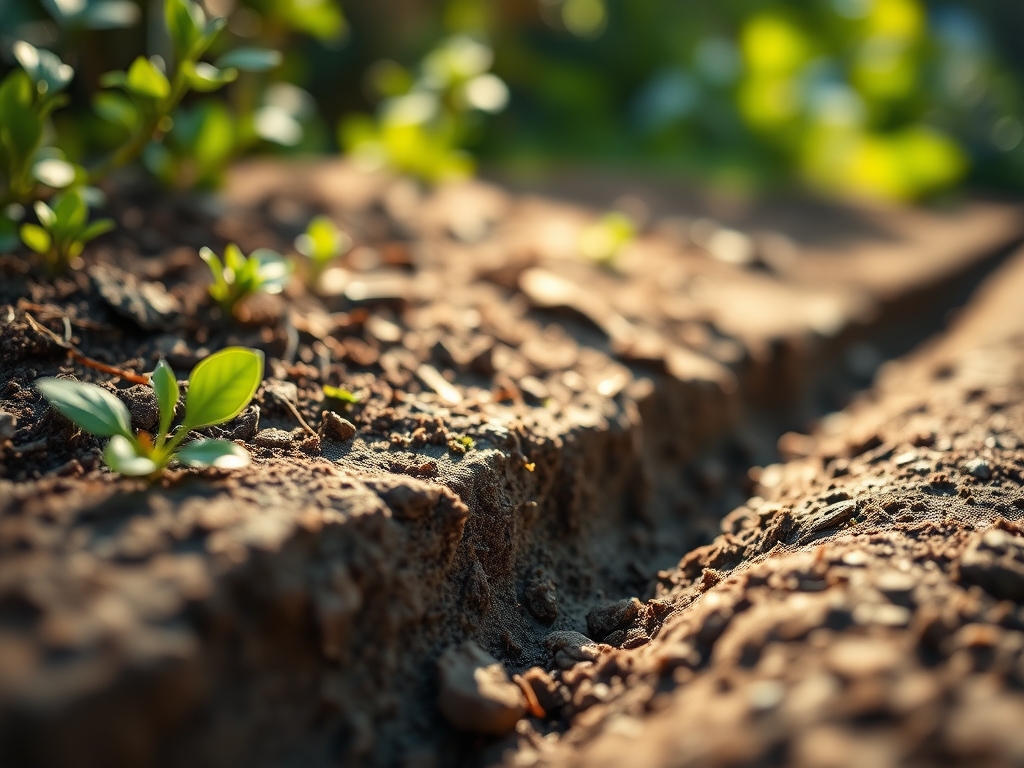
8 Technical Steps to Install a French Drain
Saturated soil is the enemy of root respiration; it chokes the rhizosphere and leads to the rapid onset of anaerobic conditions. When the smell of damp, rotting earth replaces the clean scent of friable loam, your landscape is suffering from poor hydraulic conductivity. Stagnant water prevents the uptake of oxygen by root hairs, causing a loss of turgor pressure and eventual plant senescence. To mitigate this, understanding the technical steps to install a french drain is essential for any serious land manager. This system functions as an artificial vein for the landscape, redirecting excess moisture through a subterranean channel. By utilizing gravity and porous materials, you can lower the water table within a specific zone and protect the structural integrity of both your soil and your foundations. Precise grading and material selection are the difference between a functional drainage solution and a muddy failure. Proper execution requires a rigorous adherence to slope calculations and a deep understanding of soil physics to ensure long-term efficacy in the field.
Materials:

The success of a French drain depends on the physical properties of the backfill and the chemical stability of the surrounding environment. In high-clay soils with a Cation Exchange Capacity (CEC) above 25, drainage is naturally impeded. You must use a non-woven geotextile fabric to prevent fine silt particles from migrating into the drain pipe. The primary aggregate should be 0.5 to 1.5-inch washed river stone or crushed granite. Avoid limestone if your target plants require an acidic environment; limestone can leach calcium carbonate and raise the soil pH above 7.5.
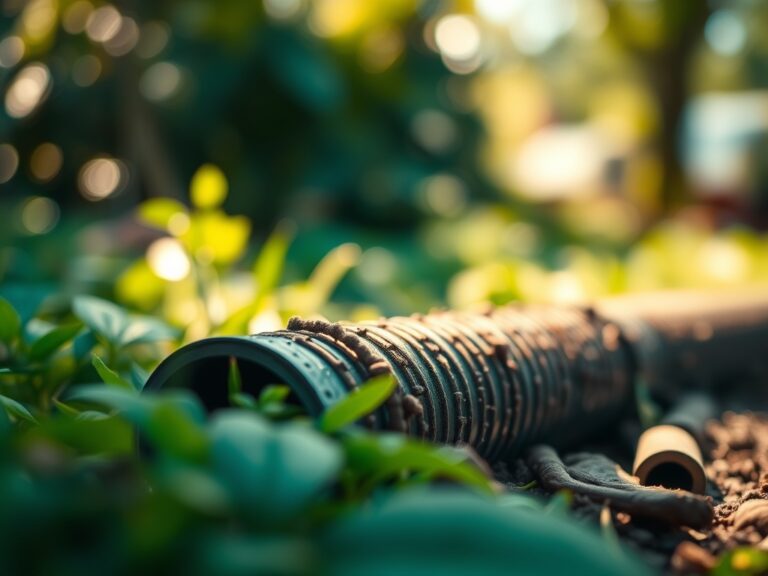
For the surrounding vegetation, ensure the soil remains a friable loam with a balanced NPK ratio of 10-10-10 to support root recovery after excavation. If you are working in sandy soils with low organic matter, incorporate compost to improve the water holding capacity of the surface layer while the sub-surface drain handles the bulk flow. The pipe itself should be 4-inch perforated SDR-35 PVC or corrugated polyethylene; PVC is preferred for its structural rigidity and smoother interior walls, which minimize sediment buildup.
Timing:
Installation should occur during the dormant season or early spring before the "Biological Clock" triggers the transition from vegetative to reproductive stages. In Hardiness Zones 4 through 7, this window typically opens after the final hard frost when the ground is workable but before the spring flush of growth. Excavating during the peak of the growing season risks severe transplant shock to nearby perennials because it severs lateral root systems during a period of high transpiration demand.
Monitor the local frost-date windows; you must complete the installation at least four weeks before the ground freezes to allow the soil to settle. Disrupting the soil profile during the reproductive stage of local flora can lead to premature seed head formation or flower drop due to stress-induced ethylene production. Aim for a period when soil moisture is at field capacity, neither bone-dry nor oversaturated, to ensure clean trench walls and minimal compaction from heavy machinery.
Phases:

Sowing and Site Preparation
The first phase involves surveying the topography to establish a minimum 1 percent slope, which equates to a 1-inch drop for every 8 feet of run. Use a transit level or string level to confirm the grade. Dig a trench 12 inches wide and 18 to 24 inches deep.
Pro-Tip: Maintaining a consistent slope is critical because of gravitational potential energy. If the slope is inconsistent, water will pool in low spots, leading to localized anaerobic pockets that kill beneficial aerobic bacteria and fungi.
Transplanting and Pipe Placement
Line the trench with geotextile fabric, leaving enough excess on the sides to overlap at the top. Deposit a 2-inch bedding layer of aggregate. Place the perforated pipe with the holes facing downward. This seems counterintuitive, but it allows the water table to rise into the pipe from below, preventing the pipe from filling with silt from surface runoff.
Pro-Tip: Facing the holes downward utilizes the principle of capillary action and gravity. As the soil reaches saturation, the water enters the pipe at its lowest point, ensuring the most efficient evacuation of the rhizosphere.
Establishing and Backfilling
Fill the trench with the remaining aggregate to within 4 inches of the surface. Wrap the geotextile fabric over the stones to create a "burrito" effect. Top with a layer of coarse sand or highly permeable topsoil. Re-establish turf or groundcover immediately to prevent surface erosion.
Pro-Tip: Immediate replanting is necessary to encourage mycorrhizal symbiosis. The fungal hyphae will quickly colonize the disturbed soil, stabilizing the structure and improving the nutrient uptake of the plants surrounding the new drain.
The Clinic:
Symptom: Interveinal Chlorosis
Description: Leaves turn yellow while veins remain green, typically seen in new growth.
Solution: This is often a sign of Iron (Fe) deficiency caused by high pH or waterlogged soils. Once the French drain is installed, the reduction in water saturation will allow the soil pH to stabilize and the roots to access micronutrients.
Fix-It: Apply a chelated iron supplement and monitor the soil moisture meter to ensure the area is no longer saturated.
Symptom: Leaf Epinasty
Description: Downward curling or twisting of leaves.
Solution: This is a physiological response to flooding stress. The roots produce excess ethylene, which travels to the leaves.
Fix-It: Improve sub-surface drainage immediately. Use a hori-hori knife to gently aerate the soil around the affected plant to introduce oxygen to the root zone.
Symptom: Nitrogen Deficiency
Description: General paling of the entire plant, starting with older leaves.
Solution: Excess water can leach nitrate (NO3-) out of the root zone.
Fix-It: After the drain is functional, top-dress with a slow-release high-nitrogen fertilizer (e.g., 20-10-10) to replace lost nutrients and restore protein synthesis.
Maintenance:
A French drain is not a "set and forget" system. Inspect the discharge point after every major rain event to ensure no debris is obstructing the flow. Use a soil moisture meter to verify that the area maintains a consistent moisture level of 20 to 30 percent for most landscape plants. During dry spells, ensure the area still receives 1.5 inches of water per week at the drip line to prevent the soil from shrinking and pulling away from the drain structure.
Use bypass pruners to keep the discharge area clear of invasive roots or thick vegetation that could clog the pipe exit. If you notice a decrease in performance, use a high-pressure water hose to flush the pipe from the highest point. Avoid planting deep-rooted trees like Willows or Maples within 10 feet of the drain, as their roots are hydrotropic and will actively seek out the perforations in the pipe.
The Yield:
While a French drain is an infrastructure project, the "yield" is measured in the health of the surrounding garden. Plants grown in well-drained soil exhibit higher brix levels and superior structural integrity. If you are growing flowers for harvest, cut them in the early morning when turgor pressure is at its peak. Use a sharp, sterilized blade to make a 45-degree cut, and immediately submerge the stems in 100-degree Fahrenheit water to prevent air embolisms in the xylem. This ensures "day-one" freshness and extends the vase life of the flora.
FAQ:
How deep should a French drain be?
A French drain should typically be 18 to 24 inches deep. This depth ensures it sits below the root zone of most turfgrass and perennials, effectively lowering the water table to prevent root rot and anaerobic soil conditions.
Do I need a perforated pipe?
Yes, you must use a perforated pipe to allow water to enter the system. Solid pipes are only for transporting water from one point to another; perforated pipes actively collect groundwater through the aggregate filter.
What is the best gravel for drainage?
Use 0.5 to 1.5-inch washed river stone or crushed granite. Avoid small pea gravel, which can settle too tightly and reduce the void space necessary for rapid water movement through the trench.
Can I cover the drain with soil?
Yes, you can cover it with 4 inches of topsoil or sod. Ensure you use a geotextile fabric "burrito" around the gravel to prevent the soil from migrating into the stones and clogging the system.
How do I calculate the slope?
Maintain a minimum 1 percent grade, which is a 1-inch drop for every 8 feet of length. Use a transit level or a string line with a line level to ensure a consistent downward trajectory toward the discharge point.