8 Organic Steps for Treating Whitefly with Insecticidal Soap
Whitefly infestations turn healthy foliage into sticky, yellowing wreckage within days. These piercing-sucking pests cluster on leaf undersides, draining phloem sap and excreting honeydew that fosters sooty mold. The eight steps for treating whitefly with soap outlined here rely on potassium salts of fatty acids to disrupt insect cell membranes without systemic pesticide residues. This protocol integrates mechanical removal, insecticidal soap application timing, and cultural adjustments to restore plant vigor.
Materials
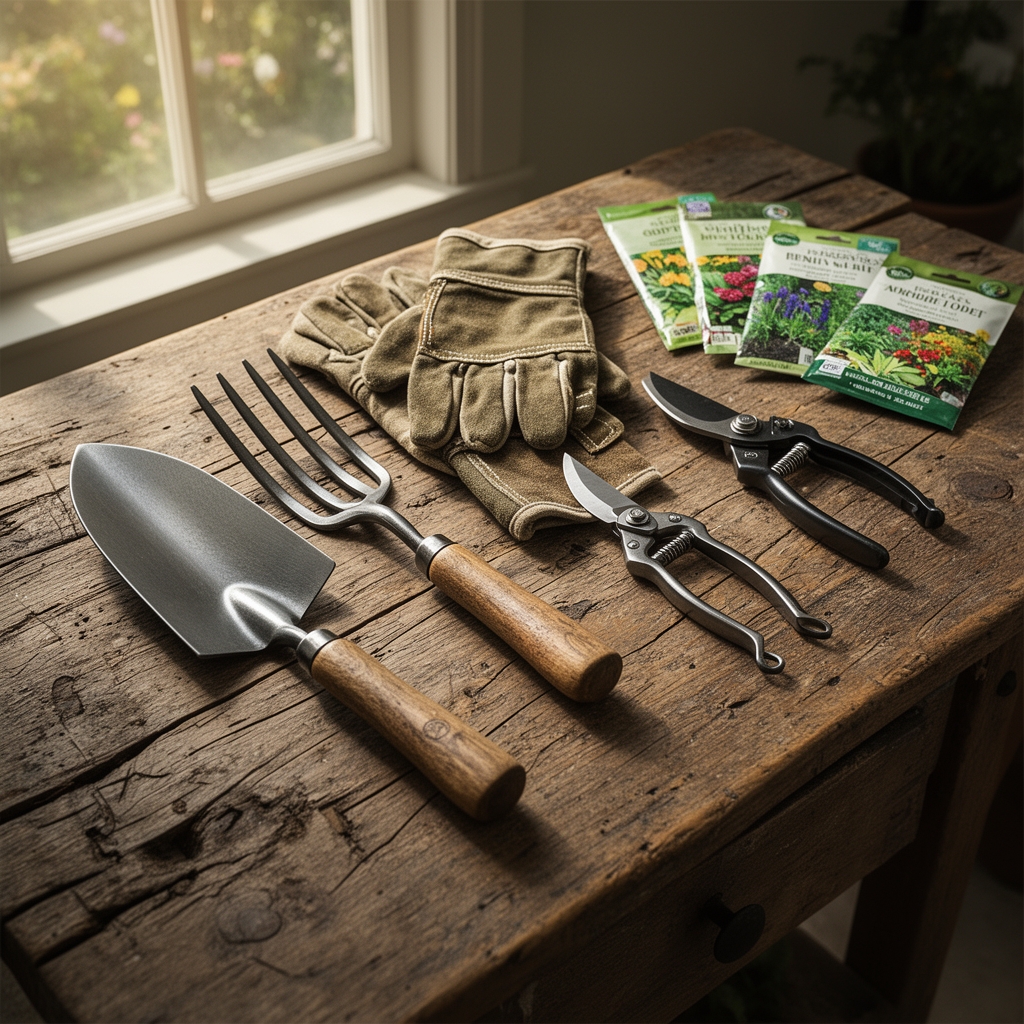
Gather concentrated insecticidal soap rated at 49% potassium salts of fatty acids. Verify the product maintains pH 8.0 to 10.0 when diluted. Hard water above 250 ppm calcium carbonate reduces soap efficacy by forming insoluble calcium soaps. Use distilled or rainwater if municipal supplies exceed this threshold.
Select a pump sprayer calibrated to deliver 0.5 gallons per 100 square feet of canopy. Brass or stainless-steel nozzles prevent corrosion. A soft-bristle brush aids in mechanical egg removal from heavily infested leaves.
For post-treatment recovery, stock a balanced organic amendment at 4-4-4 NPK. Fish emulsion or alfalfa meal supplies nitrogen without excessive salts. Mycorrhizal inoculant containing Glomus intraradices and Rhizophagus irregularis enhances phosphorus uptake and stress resilience. Foliar kelp extract at 0-0-1 NPK provides cytokinins and auxins that accelerate new leaf expansion.
Timing
Apply insecticidal soap when ambient temperatures range between 50 and 85 degrees Fahrenheit. Temperatures above 90 degrees cause rapid soap evaporation, leaving insufficient contact time to penetrate insect cuticles. Below 50 degrees, whitefly metabolism slows, reducing vulnerability.
Early morning or late afternoon applications prevent phytotoxic leaf burn. Full sun accelerates soap drying before the required 30-minute contact period. In USDA Hardiness Zones 9 through 11, whitefly populations remain active year-round. Target treatments to spring and fall population peaks when nymphs dominate.
Zones 3 through 8 experience winter dieback. Begin monitoring two weeks after the last spring frost when soil temperatures stabilize at 55 degrees. Greenhouse growers must treat within 48 hours of detecting first-generation nymphs to prevent exponential population growth across successive 21-day life cycles.
Phases

Sowing (Prevention)
Inspect transplants under 10x magnification for whitefly eggs on abaxial leaf surfaces. Quarantine new plants for 14 days in a separate growing area. Introduce Encarsia formosa parasitoid wasps at a rate of 3 per square foot before transplanting into main beds. These biological controls establish residual populations that suppress whitefly colonization.
Pro-Tip: Interplant French marigold (Tagetes patula) at 12-inch spacing. Its roots exude alpha-terthienyl, which repels whiteflies and disrupts nematode populations simultaneously.
Transplanting (First Application)
Dilute insecticidal soap to 2% concentration (2.6 fluid ounces per gallon of water). Spray all leaf surfaces until runoff, ensuring complete coverage of midribs and petioles where nymphs aggregate. The soap penetrates the waxy cuticle of soft-bodied nymphs and adults but does not affect eggs or pupae encased in protective wax.
Gently brush undersides of heavily infested leaves to dislodge eggs. Dispose of brushed material in sealed bags to prevent re-infestation. Wait 72 hours before the second application to allow surviving eggs to hatch into vulnerable first-instar nymphs.
Pro-Tip: Add 0.5% horticultural oil (5 ml per liter) to soap solution. The oil suffocates eggs and enhances soap adherence to waxy leaf surfaces without increasing phytotoxicity.
Establishing (Follow-Up Protocol)
Apply soap every five to seven days for three weeks to disrupt overlapping whitefly generations. Each female lays 200 to 400 eggs over 30 days. The five-day interval targets newly emerged nymphs before they reach the immobile pupal stage.
Monitor with yellow sticky cards placed at canopy height. Trap counts below five adults per card indicate successful population suppression. Discontinue treatments when three consecutive inspections reveal fewer than two nymphs per leaf.
Pro-Tip: Prune water sprouts and basal suckers at a 45-degree angle to improve air circulation. Stagnant airflow elevates humidity above 70%, which accelerates whitefly reproduction.
Troubleshooting
Symptom: Chlorotic stippling on upper leaf surfaces with no visible pests.
Solution: Examine undersides for translucent whitefly pupae. Pupae resist insecticidal soap. Apply spinosad at 0.5 oz per gallon to target this life stage. Spinosad, derived from Saccharopolyspora spinosa fermentation, remains OMRI-listed for organic production.
Symptom: Black sooty mold coating leaves despite whitefly reduction.
Solution: Honeydew residue persists after pest elimination. Mix 1 tablespoon baking soda and 1 teaspoon insecticidal soap per gallon. Spray to dissolve mold and neutralize acidic honeydew. Improve cation exchange capacity with compost topdressing at 0.5 inches.
Symptom: Leaf margins curl downward after soap application.
Solution: Phytotoxicity from excessive concentration or spray frequency. Flush foliage with plain water within one hour of application. Reduce soap concentration to 1.5% and extend intervals to 10 days.
Symptom: Whitefly populations rebound after three weeks of treatment.
Solution: Adjacent weeds serve as reservoir hosts. Remove chickweed, lambsquarters, and mallow within 50 feet of treated plants. These species harbor whitefly populations that recolonize crops.
Maintenance
Irrigate with 1 inch of water per week, delivered in a single deep session to promote root growth below the 6-inch zone. Overhead watering washes off natural predators like lady beetles and lacewings. Drip irrigation maintains below 60% relative humidity at leaf level, slowing whitefly development.
Side-dress with 4-4-4 organic fertilizer at 2 pounds per 100 square feet monthly. Excessive nitrogen above 6% promotes succulent growth attractive to whiteflies. Balanced nutrition supports lignin synthesis and thicker cell walls that resist piercing mouthparts.
Mulch with 2 inches of shredded hardwood bark to suppress weed hosts. Avoid fresh wood chips, which immobilize soil nitrogen during decomposition.
FAQ
How long does insecticidal soap remain effective after application?
Potassium fatty acid salts degrade within 24 hours of application. The soap acts purely on contact with no residual activity. Repeat applications target subsequent whitefly generations rather than providing persistent protection.
Can insecticidal soap harm beneficial insects?
Direct spray contact kills soft-bodied beneficials like parasitoid wasps and predatory mite larvae. Apply soap before releasing biological controls or spot-treat only infested plants to preserve predator populations on adjacent foliage.
Is insecticidal soap safe for all plant species?
Soap damages hairy-leaved plants like African violets and ferns. Test on a single leaf 48 hours before full application. Avoid treating drought-stressed plants, which exhibit increased cuticle permeability and phytotoxicity risk.
What concentration kills whitefly adults versus nymphs?
Adults require 2% concentration due to their fully developed waxy cuticle. First and second instar nymphs succumb to 1.5% solutions. Eggs and pupae remain immune regardless of concentration.
Does water pH affect soap performance?
Yes. Acidic water below pH 6.0 neutralizes potassium salts, reducing insecticidal activity. Alkaline water above pH 10.5 increases phytotoxicity. Target pH 7.0 to 8.5 for optimal efficacy and plant safety.