8 Flowering Steps to Prepare a Flowering Houseplant Shelf
Learning how to prepare a plant shelf for flowers transforms a bare bracket into a month-long succession of blooms. The scent of jasmine at 6 a.m. or the waxy petals of a hoya opening in afternoon light depends on substrate chemistry, photon flux, and air circulation. The following eight steps establish the structural and nutritional foundation for continuous flowering across a 12-month calendar.
Materials
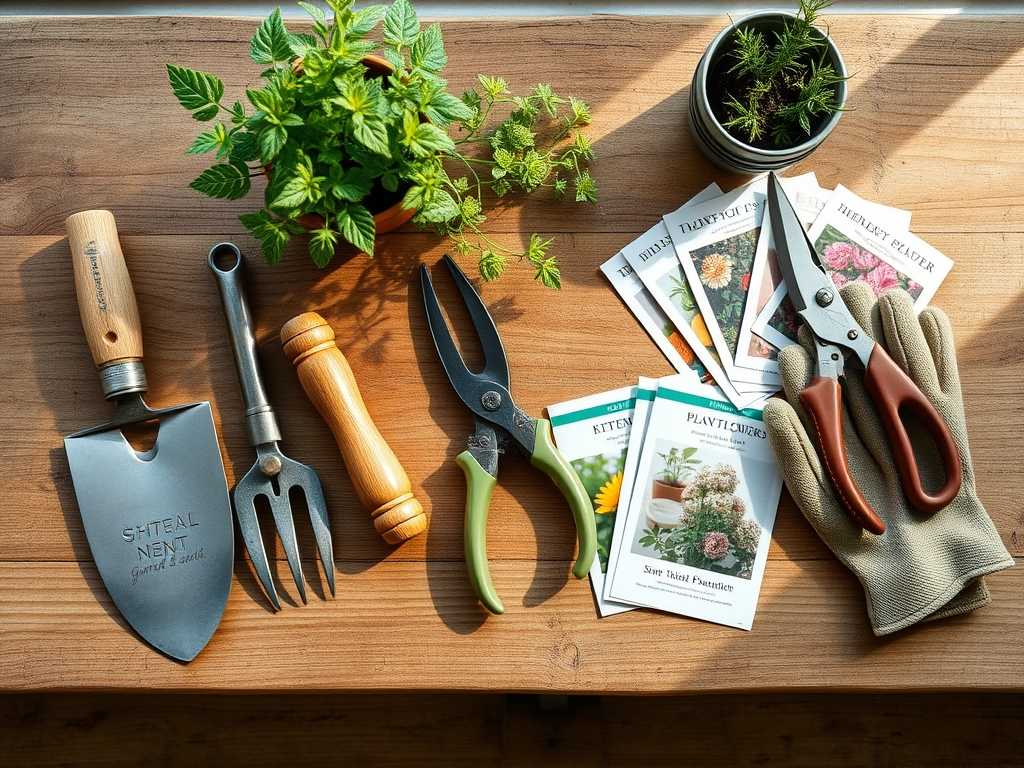
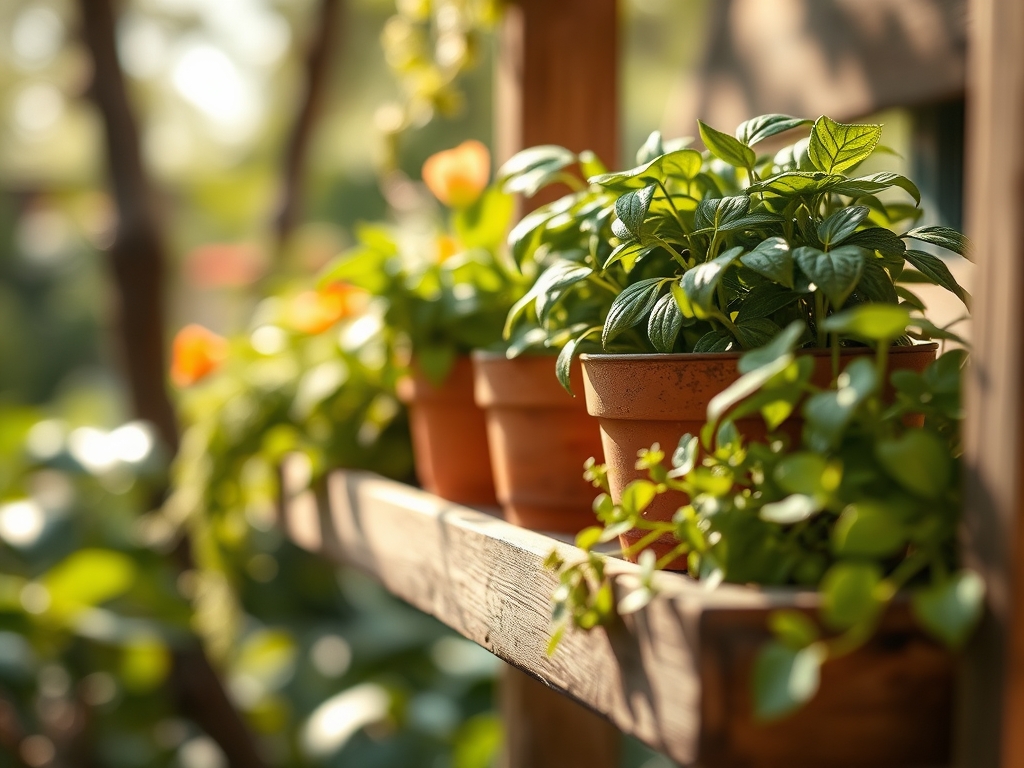
Select a wire or powder-coated steel shelf capable of supporting 40 pounds per linear foot when pots are saturated. Wood shelves require marine-grade polyurethane to prevent rot from capillary wicking.
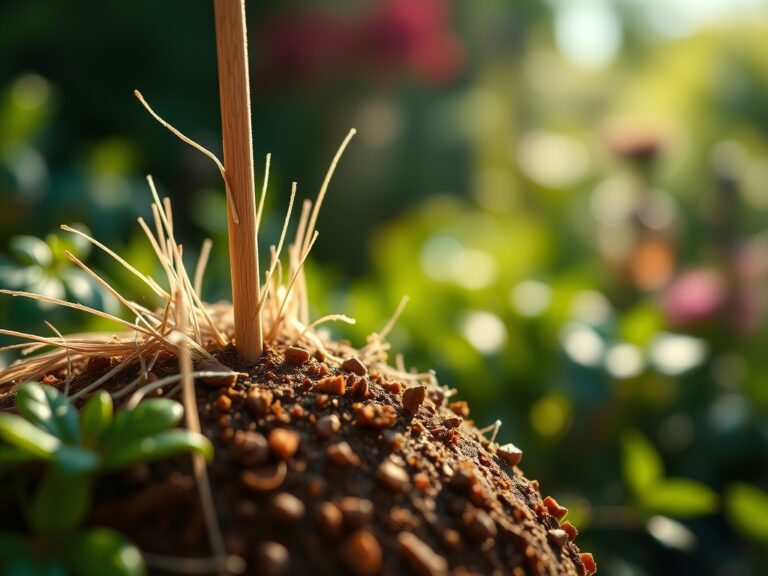
For substrate, blend 4 parts peat or coir with 2 parts perlite and 1 part aged pine bark (⅛-inch grade). Amend with a 4-4-4 organic meal (feather meal, bone meal, kelp) at 2 tablespoons per gallon of mix. This provides a cation exchange capacity near 12 meq/100 g and a starting pH of 6.2 to 6.5. Add granular mycorrhizal inoculant (Rhizophagus intraradices) at 1 teaspoon per 6-inch pot to colonize 80 percent of root cortex within eight weeks.
Install full-spectrum LED fixtures emitting 200 to 400 micromoles per square meter per second at canopy height. Hang lights 8 to 12 inches above foliage, adjustable via pulley or chain. A programmable timer set to 14 hours on and 10 hours off mimics late spring photoperiods that trigger floral initiation in most tropical and subtropical genera.
Purchase a digital hygrometer-thermometer combo. Maintain relative humidity between 50 and 65 percent. Acquire a 1-gallon pump sprayer for foliar feeding, a moisture meter with a 6-inch probe, and plastic drip trays deep enough to hold ¼ inch of standing water without overflow.
Timing
In USDA Hardiness Zones 5 through 8, late March to mid-April marks the window when indoor shelves transition to active flowering schedules. Natural daylight extends past 12 hours, supplementing artificial light and reducing electricity costs by 20 percent. For year-round indoor cultivation, initiate setup six weeks before desired first bloom date to allow root establishment.
Temperature stability matters more than absolute degrees. African violets (Saintpaulia ionantha) set buds at 68 to 72°F with a 10-degree nighttime drop. Orchids in the Phalaenopsis group require a two-week exposure to 55°F nights to differentiate spike tissue from vegetative meristems.
Phases

Sowing
Direct-sow begonia or streptocarpus seed onto milled sphagnum without covering. Light penetration at 680 nanometers breaks dormancy in photoblastic seed. Water from below using capillary mats soaked in sterile distilled water. Germination occurs in 7 to 14 days at 72°F. Thin seedlings to 2-inch spacing once cotyledons fully expand.
Pro-Tip: Inoculate seed trays with Trichoderma harzianum at 10^6 spores per milliliter to suppress damping-off fungi (Pythium, Rhizoctonia). Apply via mist 24 hours before sowing.
Transplanting
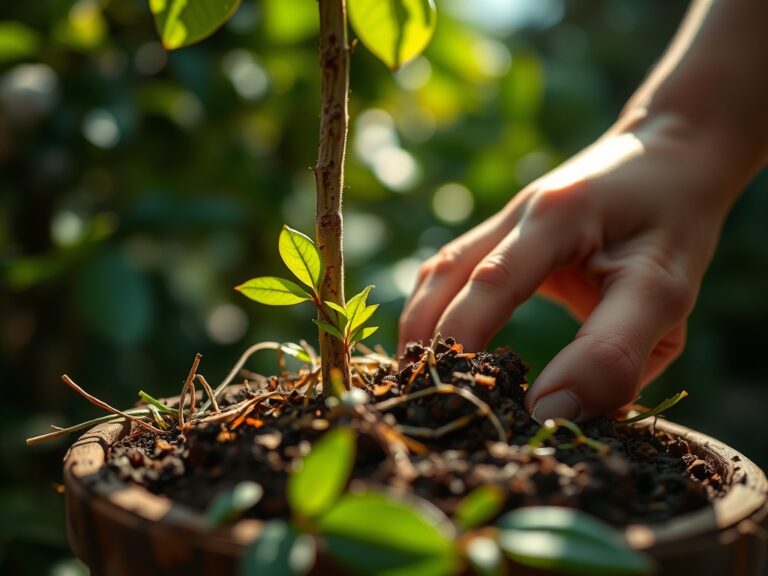
Move seedlings or rooted cuttings into 4-inch pots when root tips emerge from drainage holes. Handle only by leaves, never stems. Bury stems of leggy seedlings up to the cotyledon node to encourage adventitious rooting. Firm substrate with fingertips to eliminate air pockets, then water with a starter solution of 9-45-15 fertilizer diluted to 200 ppm nitrogen. This phosphorus surge promotes auxin distribution to lateral root primordia.
Pro-Tip: Prune terminal buds at a 45-degree angle just above the third true leaf node to force two axillary shoots. This doubles flowering sites within four weeks.
Establishing
Position pots 6 inches apart to allow air circulation and prevent powdery mildew (Erysiphe cichoracearum). Rotate each pot 90 degrees every five days to equalize light exposure and prevent phototropic lean. Begin weekly feeding with a 7-9-5 formula at 150 ppm nitrogen once flower buds show color. Calcium nitrate foliar sprays at 0.5 percent concentration every ten days strengthen pedicel tissue and reduce bud drop by 30 percent.
Pro-Tip: Elevate humidity around buds by clustering pots on trays filled with expanded clay aggregate (LECA) and ½ inch of water. Evaporation creates a microclimate 10 percent more humid than ambient air.
Troubleshooting
Symptom: Yellowing lower leaves with green veins.
Solution: Iron chelate deficiency. Apply Fe-EDDHA at 1 gram per gallon as a soil drench. Adjust pH below 6.5 to increase iron solubility.
Symptom: Brown leaf margins and crispy tips.
Solution: Salt accumulation from overfertilization. Leach pots with distilled water equal to three times container volume. Resume feeding at half strength.
Symptom: White cottony masses in leaf axils.
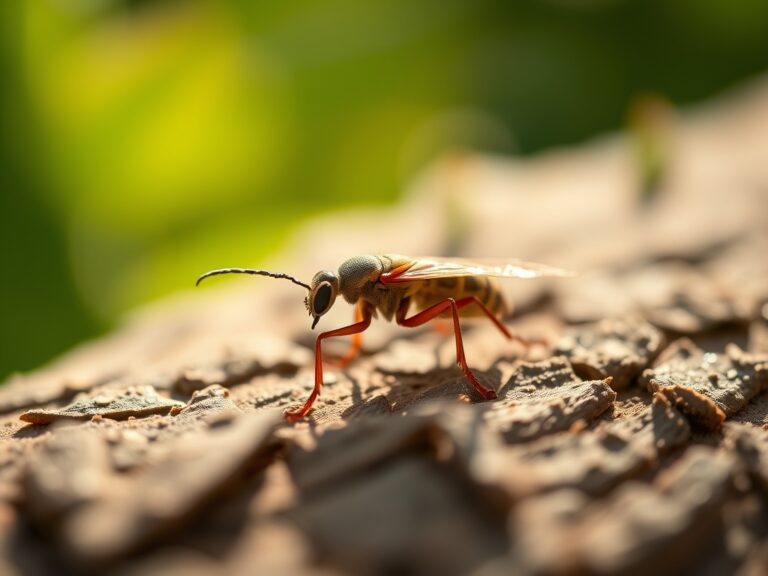
Solution: Mealybugs (Pseudococcidae). Dab with 70 percent isopropyl alcohol on a cotton swab. Spray horticultural oil at 2 percent concentration every seven days for three applications.
Symptom: Buds yellowing and dropping before opening.
Solution: Ethylene exposure from ripening fruit or gas leaks. Remove all ethylene sources. Spray 0.2 mM silver thiosulfate to block ethylene receptor sites.
Symptom: Fuzzy gray mold on spent flowers.
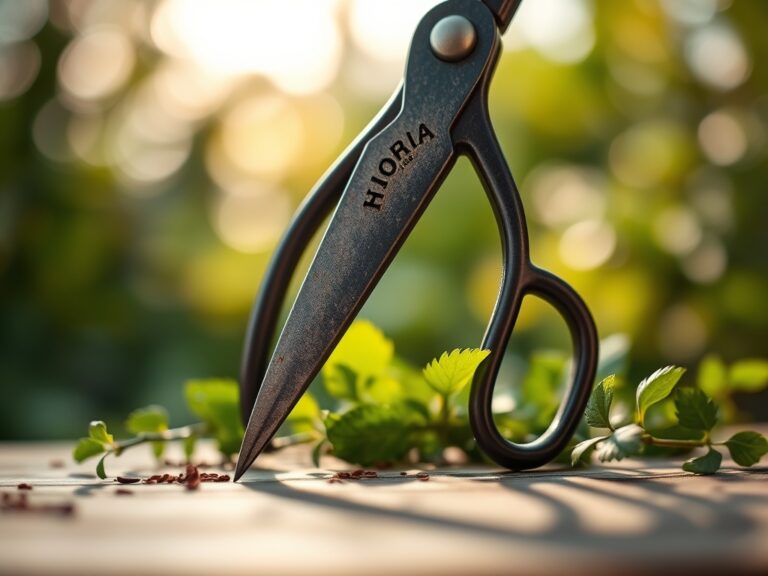
Solution: Botrytis cinerea. Remove infected tissue with sterile shears. Increase air circulation with a clip-on fan set to low. Avoid overhead watering.
Maintenance
Water when the top 1 inch of substrate feels dry to the touch. Apply 8 ounces per 6-inch pot until drainage appears, then discard runoff after 15 minutes. Feed every seven days during active growth, tapering to every 14 days when blooms fade. Deadhead spent flowers by cutting pedicels at the calyx junction to redirect carbohydrates into new bud formation. Wipe leaves monthly with a damp microfiber cloth to remove dust that blocks 20 percent of photosynthetically active radiation.
FAQ
How long does shelf setup take?
Two hours for assembly, substrate mixing, and potting. Root establishment requires four additional weeks.
Can I use tap water?
Yes, if total dissolved solids remain below 150 ppm and chlorine evaporates after 24 hours of sitting uncovered.
What flowering plants adapt best to shelves?
African violets, Phalaenopsis orchids, mini roses, kalanchoe, and jasmine species tolerate container culture and artificial light.
How often should I replace substrate?
Every 18 months. Organic components degrade, reducing porosity and cation exchange capacity by 40 percent.
Do I need supplemental CO2?
No. Ambient concentrations of 400 ppm suffice for flowering in home environments.