8 Beneficial Steps for Treating Thrips with Predatory Bugs
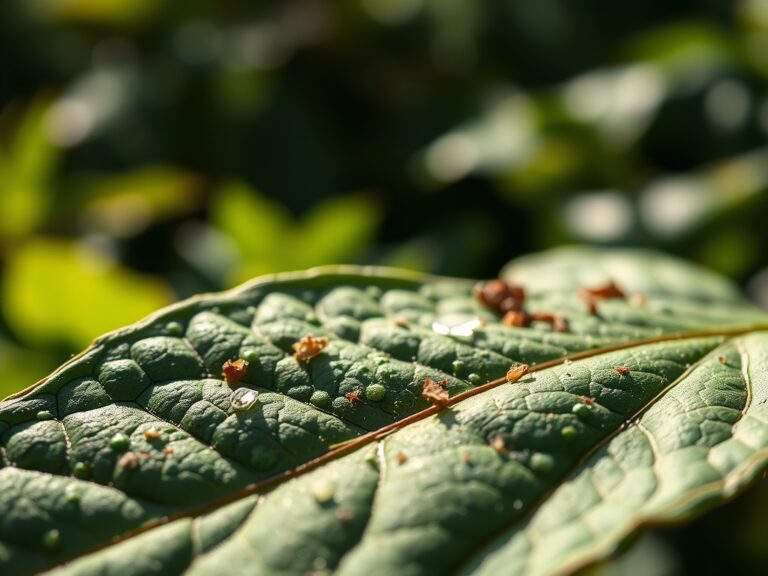
The smell of damp earth and the firm turgor of a healthy leaf define the success of a controlled growing environment. When silver stippling and black frass appear on the underside of foliage, the structural integrity of the plant is under siege by Thysanoptera. Implementing the 8 beneficial steps for treating thrips with predatory bugs requires a transition from chemical intervention to biological warfare. This process stabilizes the rhizosphere and protects the vascular system from viral transmission.
Successful biological control hinges on the physiological state of the host plant. A plant with high osmotic pressure and balanced nutrient uptake can better withstand the initial feeding damage before the predatory insects establish a dominant population. You must monitor the leaf cuticle for signs of rasping damage, which indicates the presence of larvae. By introducing specific mites and beetles, you create a self-sustaining ecosystem that targets thrips at every stage of their life cycle; from the egg embedded in the leaf tissue to the pupae resting in the top layer of the substrate.
Materials:
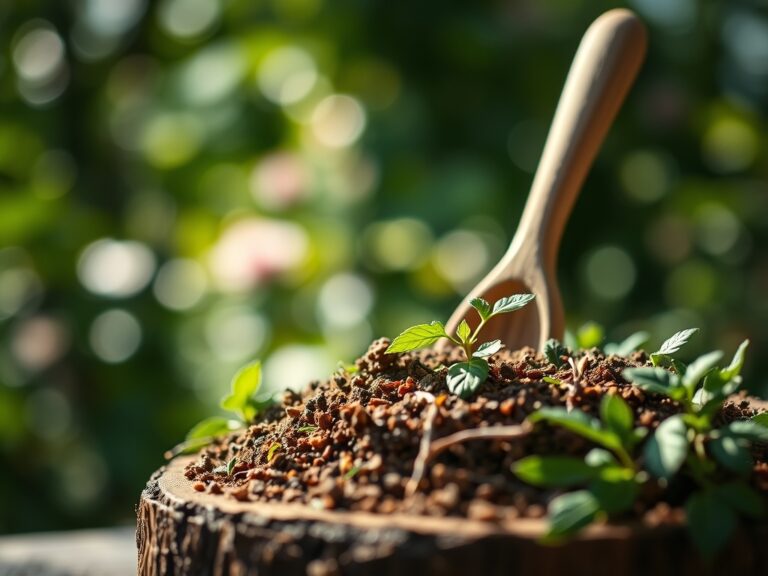
The foundation of any integrated pest management strategy is the substrate. For container-grown plants or raised beds, utilize a **friable loam** with a **Cation Exchange Capacity (CEC) of 15 to 25 meq/100g**. This ensures the soil can hold and exchange essential cations like calcium and magnesium. The soil pH must be maintained between **6.2 and 6.8** to optimize nutrient availability.
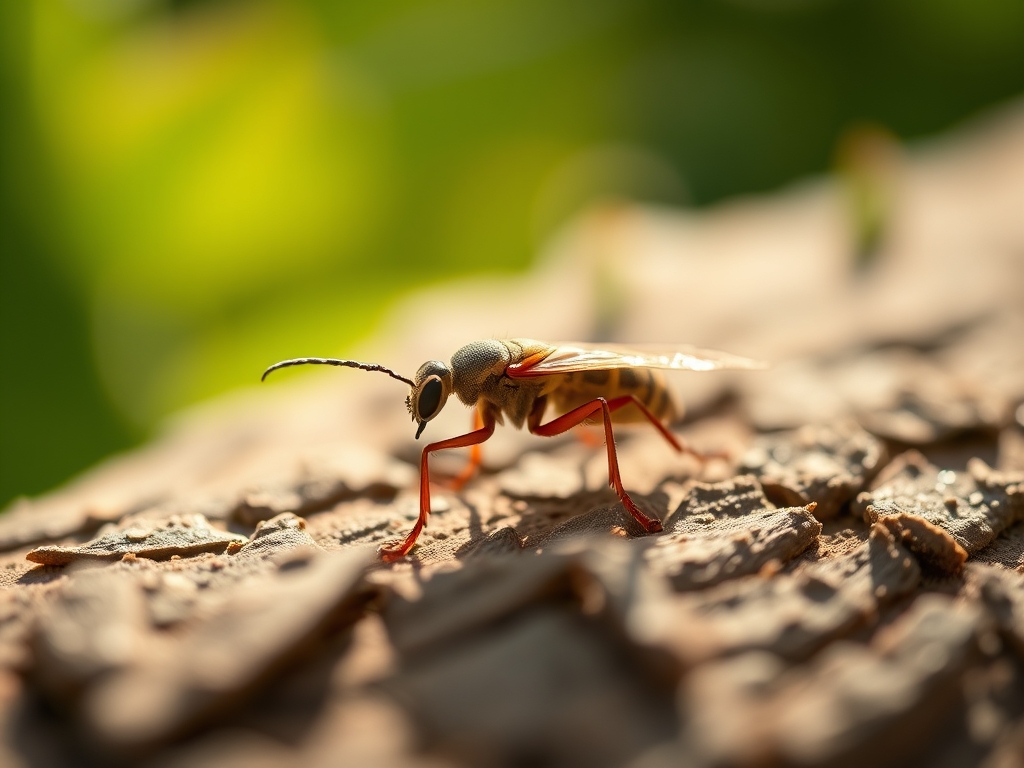
For the vegetative stage, apply a fertilizer with an NPK ratio of 3-1-2 to promote structural strength. As the plant transitions to the reproductive phase, shift to a 1-2-2 ratio to support flower development without inducing succulent new growth that attracts thrips. Your toolkit must include Amblyseius cucumeris (predatory mites), Orius insidiosus (minute pirate bugs), and Steinernema feltiae (beneficial nematodes). Ensure you have a 10x or 20x hand lens to verify the presence of these predators after release.
Timing:
Biological controls are most effective in Hardiness Zones 4 through 11, provided the ambient temperature remains between 65 and 85 degrees Fahrenheit. If the temperature drops below 55 degrees Fahrenheit, the metabolic rate of predatory mites slows significantly, rendering them ineffective.
The biological clock of the plant dictates the release schedule. The most critical window for treatment is during the transition from the vegetative to the reproductive stage. During this period, the plant increases its production of volatile organic compounds, which can help attract certain generalist predators. You must release your first wave of predators at least two weeks before the expected frost date in your region to allow for colony establishment. For indoor growers, synchronize releases with the start of a 12/12 photoperiod to protect emerging floral structures where thrips often congregate to feed on pollen.
Phases:

Sowing and Preparation
Before the first seed hits the soil, the environment must be sanitized. If you are reusing containers, scrub them with a 10 percent bleach solution. Ensure the substrate is pre-moistened to a field capacity where it holds its shape when squeezed but does not drip excess water.
Pro-Tip: Maintaining high humidity during the early stages encourages mycorrhizal symbiosis. These fungi extend the root system's reach, improving phosphorus uptake and increasing the plant's systemic acquired resistance (SAR) against pests.
Transplanting and Release
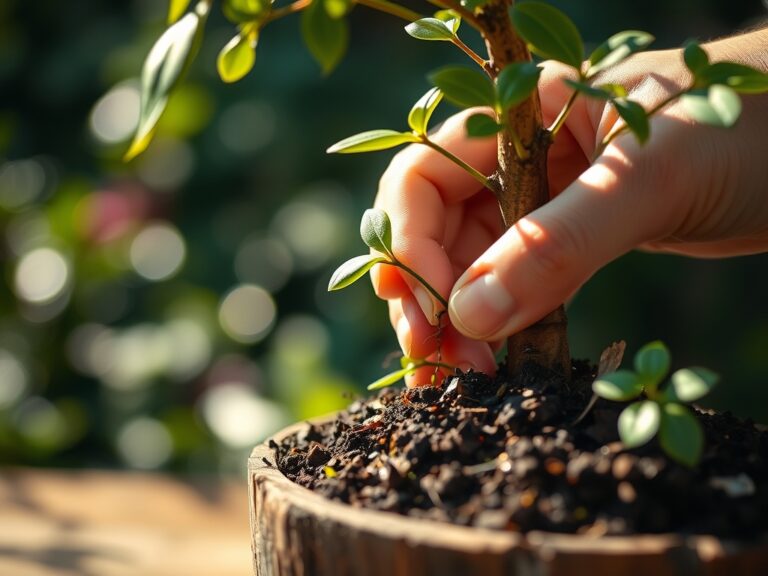
When transplanting, handle the root ball carefully to avoid damaging the fine root hairs. This is the ideal time to inoculate the soil with Steinernema feltiae. These nematodes target thrips pupae in the soil. Release Amblyseius cucumeris by hanging slow-release sachets on the lower branches of the plant.
Pro-Tip: Use the principle of thigmotropism by ensuring the plant has adequate support. A stable plant experiences less mechanical stress, allowing it to divert more energy toward secondary metabolites like alkaloids and tannins that deter herbivory.
Establishing the Colony
The third phase involves the introduction of Orius insidiosus. These are aggressive predators that feed on all stages of thrips. Release them in the evening when temperatures are cooler to prevent them from immediately flying toward light sources. Monitor the population using yellow sticky cards, but place them sparingly to avoid trapping your beneficial insects.
Pro-Tip: Auxin suppression occurs when the terminal bud is damaged by thrips. By introducing predators early, you protect the apical meristem, ensuring the plant maintains its natural growth habit and apical dominance.
The Clinic:
Symptom: Silver Stippling and Black Specks
Solution: This indicates active thrips feeding. Increase the release rate of Amblyseius cucumeris to 50 to 100 mites per square foot. Ensure the relative humidity is above 60 percent to prevent mite desiccation.
Symptom: Nitrogen Chlorosis (Yellowing of older leaves)
Fix-It: This is a nutrient deficiency, not pest damage. Apply a water-soluble fertilizer with a high nitrogen content. Check the soil pH; if it is above 7.0, nitrogen becomes locked out. Lower the pH using elemental sulfur or phosphoric acid.
Symptom: Leaf Curling and Distorted Growth
Solution: This often signifies the presence of thrips larvae inside the developing buds. Introduce Orius insidiosus directly into the flower clusters. These predators can wedge themselves into tight spaces where mites cannot reach.
Symptom: Interveinal Chlorosis (Yellowing between green veins)
Fix-It: This typically indicates a Magnesium deficiency. Apply a foliar spray of Epsom salts (Magnesium Sulfate) at a rate of 1 tablespoon per gallon of water. This bypasses the roots for immediate uptake.
Maintenance:
Precision is the hallmark of professional maintenance. Provide exactly 1.5 inches of water per week at the drip line. Use a soil moisture meter to ensure the substrate remains at a consistent moisture level; fluctuations can cause physiological stress and fruit cracking.
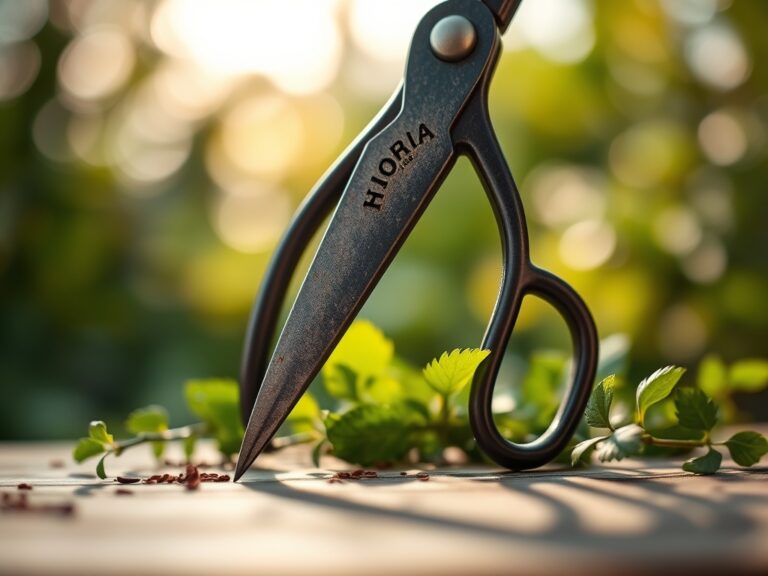
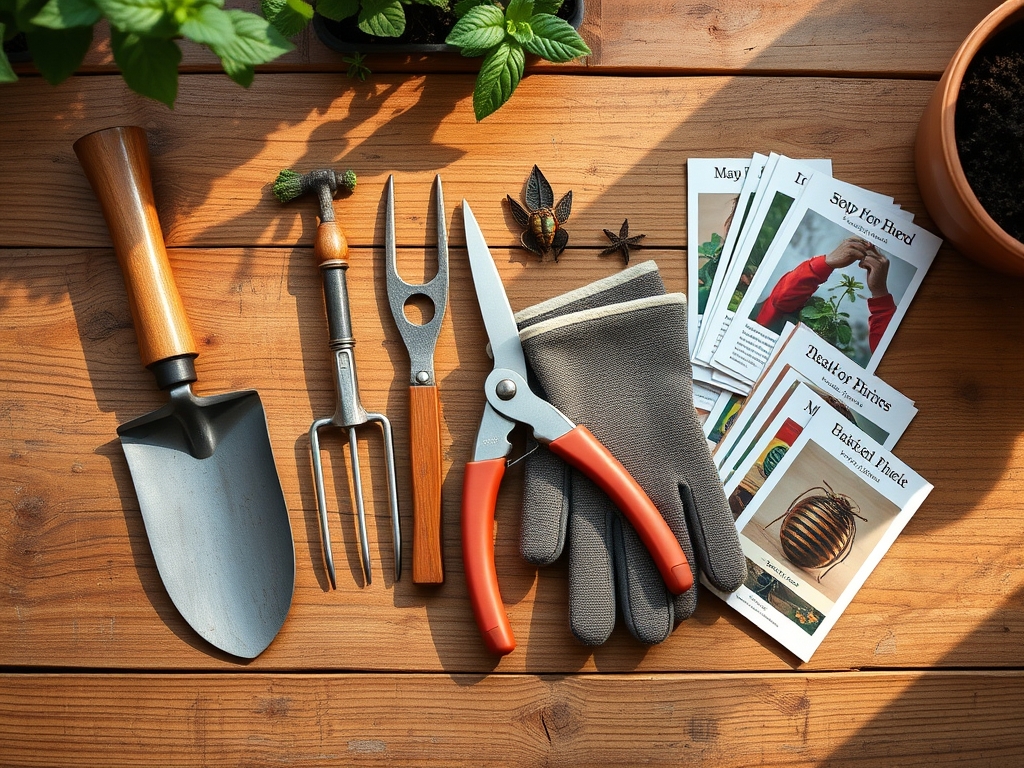
When pruning, use sterilized bypass pruners to make clean cuts at a 45 degree angle just above a node. This promotes rapid callousing and prevents pathogens from entering the vascular system. Use a hori-hori knife to remove deep-rooted weeds that may act as alternate hosts for thrips. Clean your tools with isopropyl alcohol between every plant to prevent cross-contamination of viruses like Tomato Spotted Wilt Virus (TSWV).
The Yield:
Harvesting should occur during the coolest part of the day, typically at dawn, when the plant is at maximum turgidity. For floral crops, harvest when the first two petals are beginning to unfurl. For edible crops, use the "snap test" to ensure cell wall pressure is at its peak.
Post-harvest handling is critical for "day-one" freshness. Immediately plunge the cut stems or produce into 40 degree Fahrenheit water to remove field heat. This process, known as hydro-cooling, slows down the rate of senescence and respiration, extending the shelf life and preserving the nutritional profile of the harvest.
FAQ:
How long does it take for predatory bugs to work?
Expect to see a reduction in the thrips population within 7 to 14 days. Predatory mites and beetles require time to acclimate and begin their reproductive cycles. Consistent monitoring with a hand lens is required during this window.
Can I use pesticides with predatory bugs?
Most broad-spectrum insecticides will kill your beneficial insects. If intervention is necessary, use insecticidal soaps or horticultural oils with low residual toxicity. Always check the compatibility of the chemical with your specific predatory species before application.
How many predatory mites do I need per plant?
For preventative measures, use 10 to 20 mites per square foot. For an active infestation, increase the density to 50 to 100 mites per square foot. Success depends on the severity of the thrips population and environmental conditions.
What is the best temperature for Orius insidiosus?
These predators thrive between 70 and 90 degrees Fahrenheit. They require at least 12 hours of daylight to remain active. If the photoperiod is too short, they may enter diapause and stop feeding on thrips.