7 Vital Steps to Plant a Wildflower Meadow
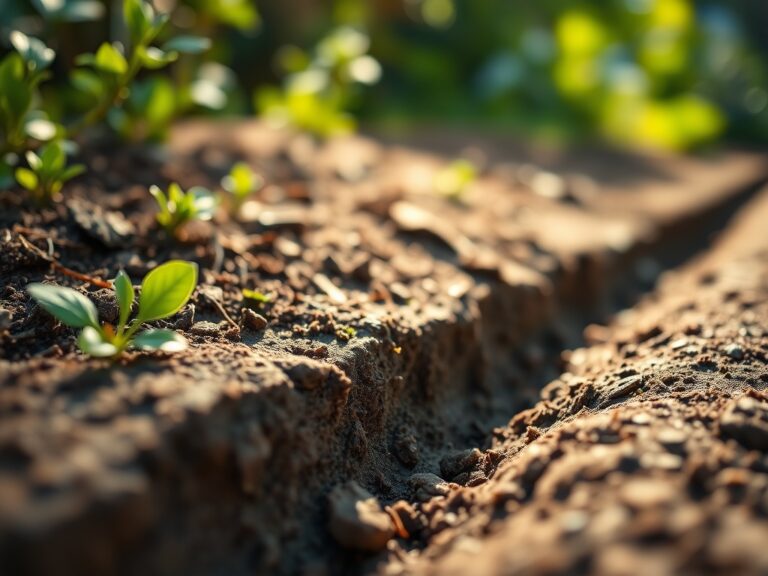
The scent of damp, disturbed earth signals the beginning of a successful ecosystem conversion. Crushing a handful of soil reveals its structural integrity; it should crumble under slight pressure while maintaining enough moisture to hold a temporary shape. This tactile feedback indicates the turgor pressure within the local flora is optimal for the coming season. To achieve a self-sustaining landscape, you must master the technical steps to plant a wildflower meadow. This process is not merely scattering seeds; it is a calculated manipulation of the rhizosphere to favor native species over invasive competitors. Success requires a deep understanding of soil chemistry and the biological triggers that govern seed germination. You are transitioning a sterile monoculture into a complex community of herbaceous perennials and annuals. This requires a rigorous adherence to site preparation and species selection based on your specific ecoregion. By following these seven scientific protocols, you ensure that the resulting meadow possesses the structural diversity and resilience required to survive environmental stressors while maintaining high levels of photosynthetic efficiency throughout the growing season.
Materials:
Wildflowers thrive in lean soil. High nutrient levels, particularly nitrogen, often lead to excessive vegetative growth at the expense of floral development. The ideal substrate is a **friable loam** with a **pH between 6.0 and 7.0**. Soils with a high Cation Exchange Capacity (CEC) above **15 meq/100g** are preferable as they retain essential minerals like potassium and magnesium.
For the initial establishment, do not use standard garden fertilizers. If a soil test indicates a severe deficiency, apply a low-nitrogen organic amendment with an NPK ratio of 3-4-4. Avoid high-nitrogen blends like 10-10-10, which stimulate the growth of aggressive grasses that outcompete young forbs. The physical texture must allow for gas exchange; compacted clay with a bulk density over 1.6 g/cm3 will inhibit root penetration and oxygen diffusion to the root zone.
Timing:
The biological clock of a meadow is dictated by the photoperiod and soil temperature. In Hardiness Zones 3 through 6, dormant seeding in late autumn (after the first hard frost but before the ground freezes) is the most effective strategy. This allows for natural cold stratification, a process where seeds undergo a period of moist chilling to break physiological dormancy.
In Zones 7 through 10, early spring sowing is viable provided the soil temperature has reached a consistent 55 degrees Fahrenheit. The transition from the vegetative stage to the reproductive stage is triggered by increasing day length. Planting too late in the spring reduces the window for root establishment before the heat-induced senescence of mid-summer. Monitor the local frost-date windows closely; you require a minimum of 60 to 90 days of growth before the first killing frost of the following autumn to ensure perennial species develop sufficient carbohydrate reserves in their root systems.
Phases:

Site Preparation
The most critical phase is the elimination of existing vegetation. Use a sod cutter or solarization techniques to clear the area. Solarization involves covering the ground with clear plastic for 6 to 8 weeks during the peak of summer to kill weed seeds in the top 2 inches of soil via thermal radiation.
Pro-Tip: Minimizing soil disturbance prevents the "weed seed bank" from rising to the surface. When you invert the soil, you expose dormant seeds to light, triggering photomorphogenesis, which leads to a flush of unwanted competition.
Sowing
Mix your seed with a carrier like damp sand or vermiculite at a 3:1 ratio. This ensures even distribution and provides a visual marker of covered areas. Broadcast the seed at a rate of 5 to 10 pounds per acre, or approximately 4 ounces per 1,000 square feet. After broadcasting, use a water-filled roller to press the seed into the soil.
Pro-Tip: Seed-to-soil contact is more important than burial depth. Most wildflower seeds are tiny and require light to stimulate the production of gibberellic acid, the hormone responsible for ending seed dormancy.
Establishing
During the first six weeks, the meadow requires consistent moisture. If rainfall is insufficient, provide supplemental irrigation to keep the top 0.5 inches of soil moist. Once the seedlings reach 3 inches in height, reduce watering frequency to encourage deep root penetration.
Pro-Tip: Initial mowing at a height of 4 to 6 inches during the first year prevents annual weeds from setting seed while allowing the slower-growing perennial wildflowers to establish their root architecture without being shaded out. This manages the auxin suppression in taller weeds, preventing them from dominating the canopy.
The Clinic:
Physiological disorders in a meadow often stem from environmental imbalances or nutrient lock-out.
- Symptom: Interveinal chlorosis (yellowing between leaf veins) on new growth.
- Solution: This typically indicates an Iron deficiency, often caused by a pH above 7.5. Apply chelated iron or lower the pH with elemental sulfur.
- Symptom: Purpling of stems and older leaves.
- Solution: Phosphorus deficiency. Check soil temperature; cold soils below 50 degrees Fahrenheit inhibit phosphorus uptake regardless of soil concentration.
- Symptom: General stunting and pale green foliage (Nitrogen chlorosis).
- Solution: Apply a light dressing of compost tea. Do not over-apply, as this favors invasive grasses over the desired forbs.
- Symptom: Leaf wilting despite moist soil.
- Solution: Root rot or damping-off. This is caused by anaerobic conditions in the rhizosphere. Improve drainage or reduce irrigation frequency immediately.
Maintenance:
Precision maintenance ensures the longevity of the meadow. Use a soil moisture meter to verify that the root zone (4 to 6 inches deep) maintains a consistent moisture level during drought periods. Aim for 1.5 inches of water per week delivered via a soaker hose or deep-cycle irrigation at the drip line of the meadow perimeter.
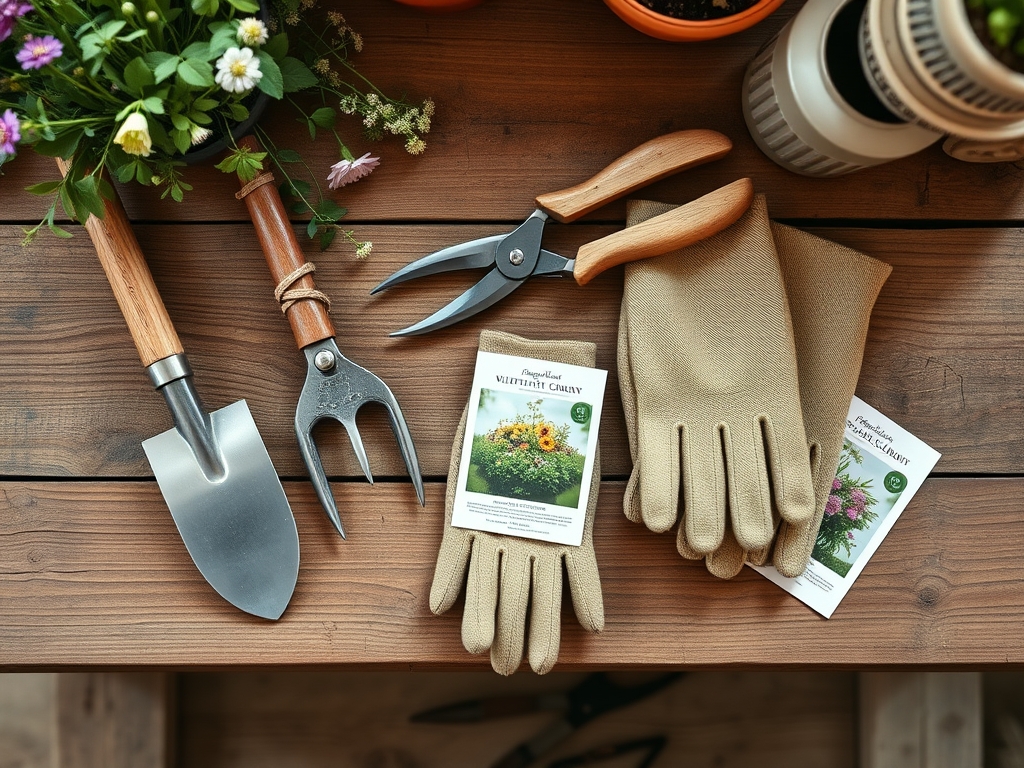
Use a hori-hori knife for the surgical removal of deep-taproot weeds like thistle or dock. For woody encroachment, utilize bypass pruners to cut stems at the base before they exceed 0.5 inches in diameter. An annual mow in late winter (February or March) to a height of 3 inches is mandatory. This removes dead biomass and allows sunlight to reach the soil surface, stimulating the next cycle of growth.
The Yield:
While a meadow is a landscape feature, many choose to harvest stems for floral arrangements. The optimal time for harvesting is in the early morning when turgor pressure is at its peak. Use sharp snips to cut the stem at a 45-degree angle.
Immediately plunge the stems into cool water (55 to 60 degrees Fahrenheit). To maintain "day-one" freshness, strip any foliage that would fall below the water line to prevent bacterial proliferation. For species like Echinacea or Rudbeckia, harvest when the ray florets are just beginning to expand but the central disk is still tight. This ensures a vase life of 7 to 10 days.
FAQ:
How long does it take for a meadow to bloom?
Most perennial meadows require three years to reach full maturity. The first year focuses on root development, the second on vegetative expansion, and the third on full reproductive display and seed set.
Do I need to till the soil before planting?
No. Tilling is generally discouraged as it destroys soil structure and brings dormant weed seeds to the surface. Use a no-till method or shallow raking (less than 1 inch deep) to ensure seed-to-soil contact.
Can I plant wildflowers in heavy clay?
Yes, but you must select species specifically adapted to heavy soils. Incorporate organic matter or gypsum to improve flocculation and drainage before sowing to prevent root asphyxiation during wet seasons.
How often should I mow my wildflower meadow?
Mow once per year in late winter or early spring. This timing allows birds to utilize dried seed heads during winter and ensures you do not disturb ground-nesting insects or the natural reseeding process.