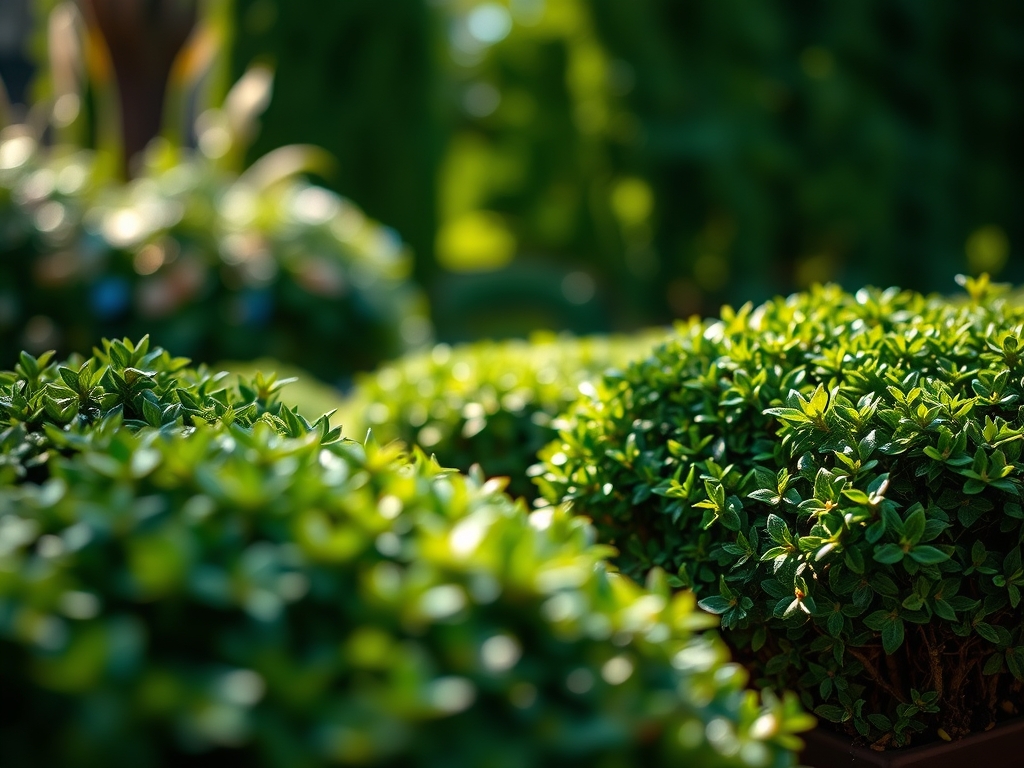
6 Elegant Ways How to Design a Formal Boxwood Garden
The scent of damp, mineral-rich earth signals a high-functioning rhizosphere, while the firm turgor of a Buxus sempervirens leaf indicates a plant with optimal hydraulic pressure. Learning how to design a formal boxwood garden requires more than an eye for symmetry; it demands a rigorous understanding of soil chemistry and plant physiology. A successful formal garden relies on the geometric precision of evergreen hedges to create structure and permanent architectural lines within the landscape.
To achieve this, the horticulturist must prioritize root health and structural integrity from the outset. Formal gardens fail when individual plants deviate in growth rate or color, breaking the visual uniformity of the parterre or knot garden. This uniformity is maintained through strict environmental controls and precise nutrient management. You are not merely planting a shrub; you are engineering a living monument that must withstand seasonal fluctuations while maintaining a constant vegetative state. Every incision made during pruning and every gram of fertilizer applied to the soil serves the singular goal of maintaining a controlled, manicured aesthetic that defines the formal style.
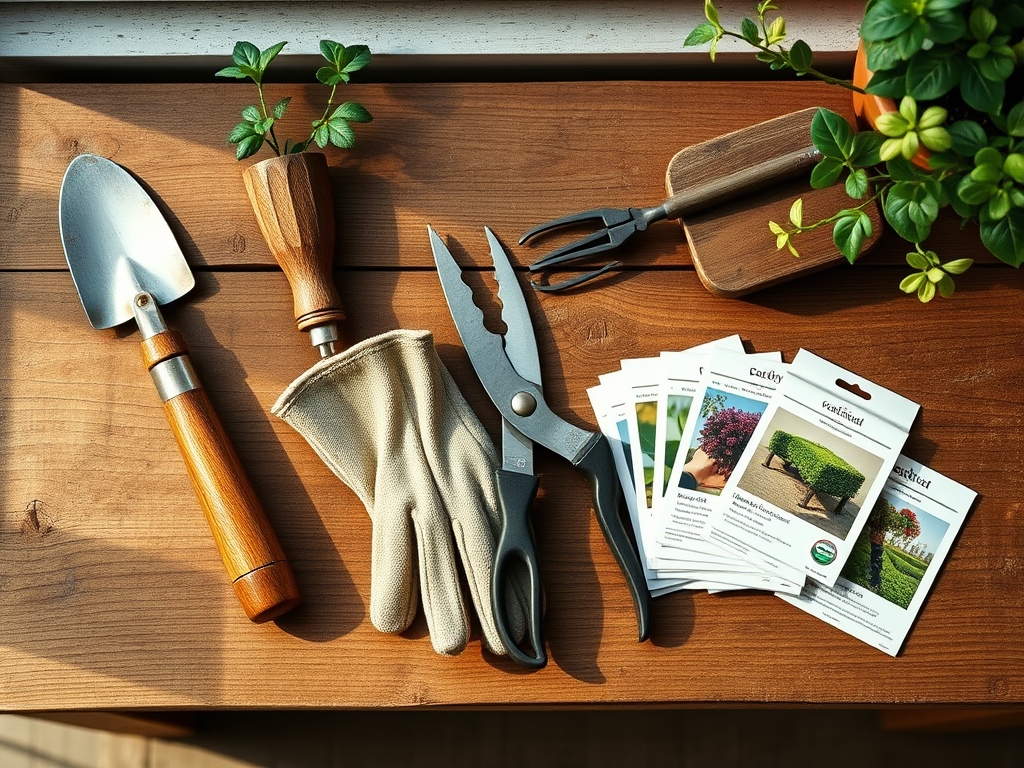
Materials:
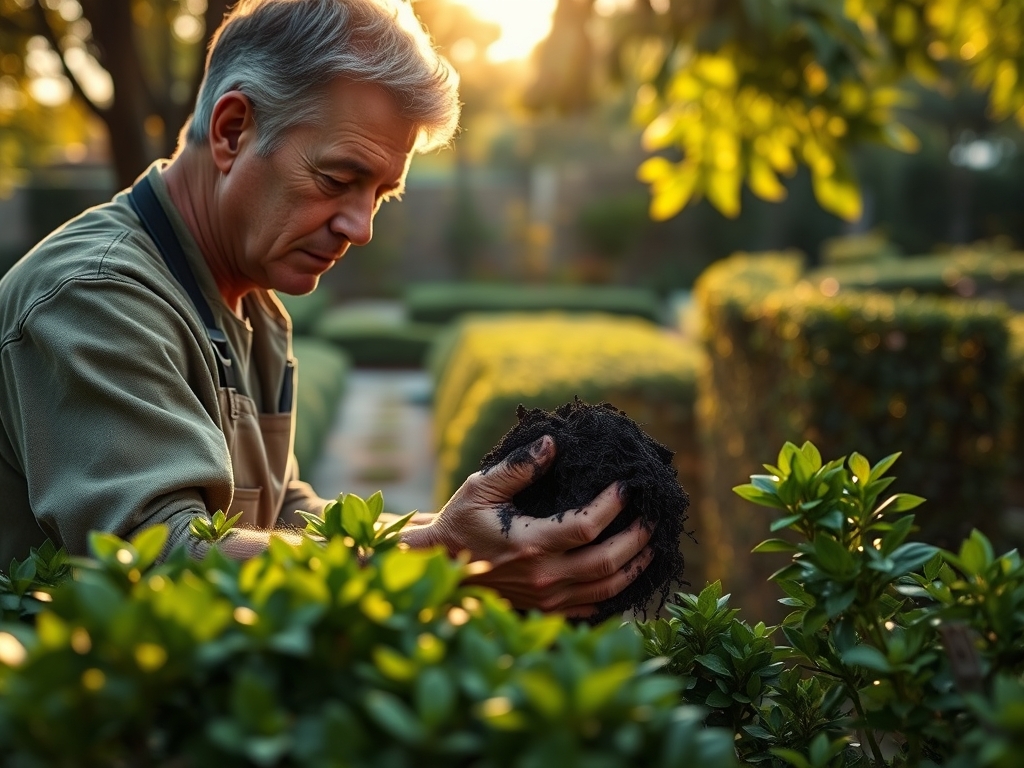
The foundation of a formal boxwood garden is a friable loam with a high Cation Exchange Capacity (CEC). This substrate must allow for rapid drainage while retaining sufficient cations for plant uptake. Boxwoods (Buxus) are highly sensitive to "wet feet," which leads to Phytophthora root rot. Aim for a soil pH between 6.5 and 7.2. If the pH drops below 6.0, essential nutrients like magnesium and calcium become less available; if it rises above 7.5, iron chlorosis becomes a significant risk.
Nutrient requirements should be met with a slow-release granular fertilizer. Use an NPK ratio of 10-6-4 or 12-4-8. The higher nitrogen content supports the dense, green foliage necessary for formal hedging, while the lower phosphorus levels prevent excessive flowering, which can detract from the clean lines of the design. Incorporate organic matter to ensure the soil remains porous and oxygenated, supporting the aerobic microbial activity essential for nutrient cycling.
Timing:
Boxwoods are hardy across USDA Zones 5 through 9, though specific cultivars like 'Green Mountain' or 'Winter Gem' offer better cold tolerance in northern latitudes. The ideal window for installation is either early spring (March to April) or early autumn (September to October). Planting during these periods allows the root system to establish before the plant faces the thermal stress of mid-summer or the desiccation of winter winds.
The biological clock of the boxwood is governed by the transition from active vegetative growth to dormancy. In the spring, as soil temperatures reach 50 to 55 degrees Fahrenheit, the plant exits dormancy and initiates a flush of new growth. Pruning must be timed to avoid stimulating new growth too late in the season. Late-season pruning triggers the release of auxins that promote soft, succulent growth; this tissue will not have time to lignify before the first frost, leading to severe winter kill and tip dieback.
Phases:
Sowing and Selection
While boxwoods can be grown from seed, formal designs require the genetic consistency of clonal propagation. Select container-grown or ball-and-burlap plants that exhibit uniform size and color. Inspect the root ball for circling roots; these must be teased out to prevent future girdling.
Pro-Tip: Ensure all plants are from the same cultivar and nursery batch. Genetic variation in growth rates can ruin the symmetry of a formal hedge due to differing internodal lengths, which is the distance between leaves on a stem.
Transplanting
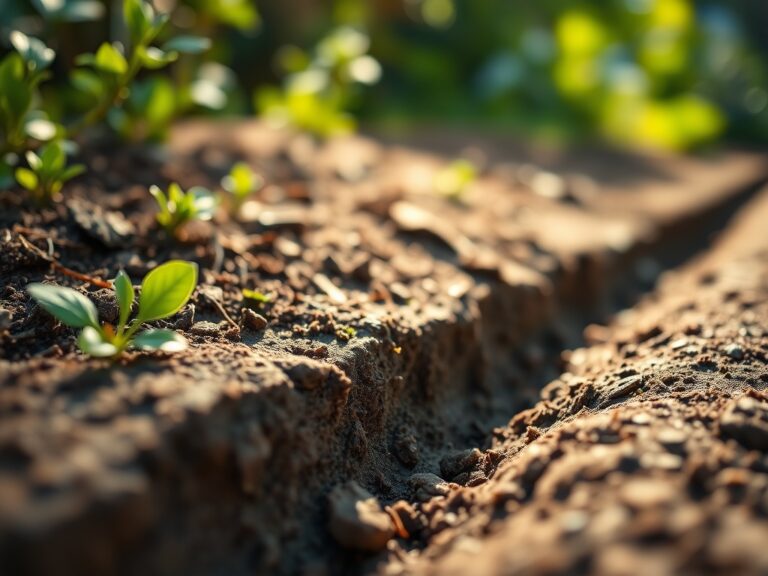
Dig a trench or individual holes twice as wide as the root ball but no deeper. The flare of the trunk must remain slightly above the soil line. Planting too deep leads to stem suffocation and bark rot. Space plants 12 to 18 inches apart for a low hedge to ensure quick closure of the canopy.
Pro-Tip: Apply a root stimulant containing mycorrhizal fungi. This symbiotic relationship increases the surface area of the root system, enhancing water and phosphorus uptake through a network of fungal hyphae.
Establishing
During the first growing season, the focus is on root expansion rather than top growth. Maintain consistent moisture levels without saturating the soil. Use a soil moisture meter to ensure the root zone stays within the 40 to 60 percent saturation range.
Pro-Tip: Avoid heavy pruning in the first year to prevent auxin suppression. Allowing the terminal buds to remain intact encourages the plant to prioritize downward root growth over lateral branching, creating a more resilient foundation.
The Clinic:
Physiological disorders often mimic disease but are frequently caused by environmental stressors or nutrient imbalances.
- Symptom: Bronzing or orange tinting of foliage in winter.
- Solution: This is typically winter desiccation. Apply an anti-transpirant spray in late autumn to reduce water loss through the stomata when the ground is frozen.
- Symptom: Yellowing of leaf margins on older growth.
- Solution: Magnesium deficiency. Apply Epsom salts (magnesium sulfate) at a rate of 1 tablespoon per foot of plant height to restore chlorophyll production.
- Symptom: Upward cupping of young leaves.
- Solution: Calcium deficiency or heat stress. Ensure consistent irrigation and check soil pH; calcium becomes immobile in highly acidic soils.
Fix-It for Nitrogen Chlorosis: If the entire plant appears pale green or yellow, apply a quick-release liquid fertilizer with a high nitrogen (N) value as a foliar spray for immediate uptake, followed by granular application for long-term correction.
Maintenance:
A formal boxwood garden requires disciplined maintenance to preserve its geometric integrity. Provide 1.5 inches of water per week, delivered at the drip line via drip irrigation to keep the foliage dry. Wet foliage increases the risk of Boxwood Blight (Calonectria pseudonaviculata). Use sharp bypass pruners for individual branch thinning and specialized hedge shears for surface leveling.
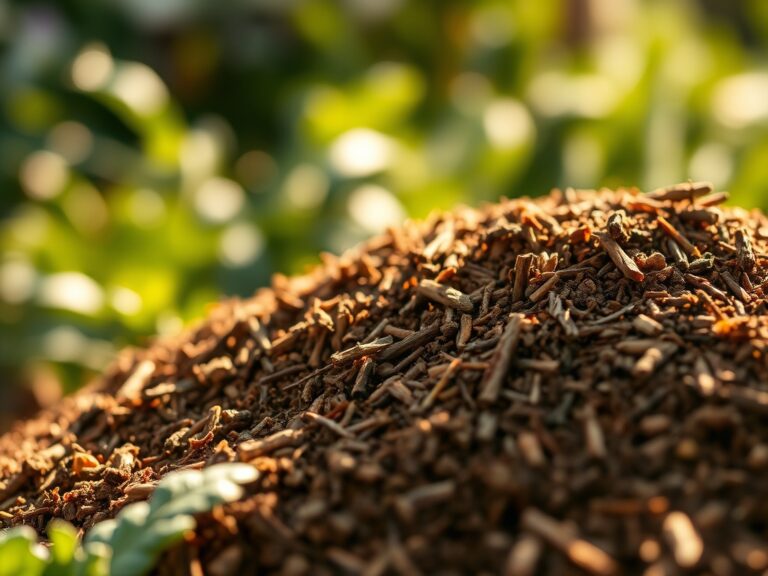
When pruning, always ensure the base of the hedge is slightly wider than the top. This "tapered" profile allows sunlight to reach the lower branches, preventing the senescence (death) of bottom foliage due to shading. Use a hori-hori knife to remove weeds around the base without disturbing the shallow, fibrous root system. Mulch with 2 inches of shredded hardwood, keeping the material 3 inches away from the main stem to prevent fungal infections.
The Yield:
In a formal boxwood garden, the "yield" is the structural density and aesthetic longevity of the hedge. For those using boxwood clippings for floral arrangements, harvest in the early morning when turgor pressure is at its peak. Use a sharp, sterilized blade to make clean cuts. Immediately submerge the cut ends in cool water to maintain cellular hydration. To extend freshness, store clippings in a high-humidity environment at 34 to 40 degrees Fahrenheit to slow the metabolic rate and delay the onset of senescence.
FAQ:
How often should I prune boxwoods for a formal look?
Prune twice a year. Perform the primary structural prune in late spring after the first flush of growth has hardened. Conduct a light "tidy-up" trim in mid-summer to maintain the sharp geometric edges of the design.
What is the best mulch for boxwood gardens?
Use a high-quality, aged wood chip or shredded bark mulch. Apply a 2-inch layer to regulate soil temperature and conserve moisture. Ensure the mulch does not touch the trunk to prevent bark decay and pest infiltration.
Why are my boxwood leaves turning brown in the center?
This usually indicates a lack of airflow and light penetration. Thin out approximately 10 percent of the outer branches annually. This allows light to reach the interior, preventing leaf drop and encouraging internal growth for a denser plant.
Can I grow boxwoods in containers for a formal entry?
Yes, provided the container has excellent drainage. Use a high-quality potting mix with added perlite. Because containers have limited volume, monitor the soil moisture meter daily and fertilize more frequently with a diluted liquid NPK solution.