6 Color-Enhancing Benefits of Specialized Succulent Fertilizer
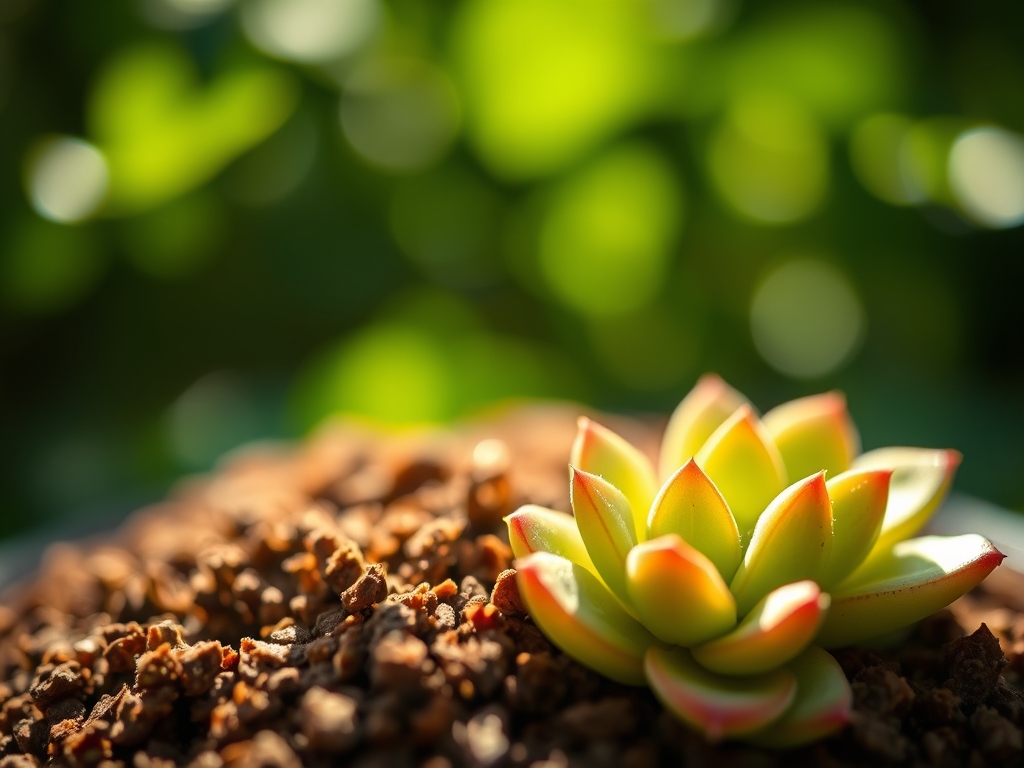
The scent of damp pumice and the sharp, metallic tang of mineral-rich substrate signal a controlled growing environment. When you press a thumb against the epidermis of an Echeveria, the resistance you feel is turgor pressure; it is the physical manifestation of cellular health. Achieving the deep purples of a 'Black Prince' or the neon pinks of a 'Perle von Nurnberg' requires more than just sunlight. Using a specialized succulent fertilizer provides the precise micronutrient profile necessary to trigger anthocyanin production without forcing excessive, leggy growth. Standard all-purpose fertilizers often contain high nitrogen levels that bloat the plant cells, leading to weak cell walls and a washed-out green appearance. A professional-grade succulent formula focuses on a low-nitrogen, high-potassium ratio to strengthen the structural integrity of the plant. This approach ensures that the plant allocates energy toward pigment density and root development rather than rapid, unsustainable vertical expansion. By stabilizing the internal chemistry of the rosette, the horticulturist can manipulate color stress through controlled nutrition.
Materials:
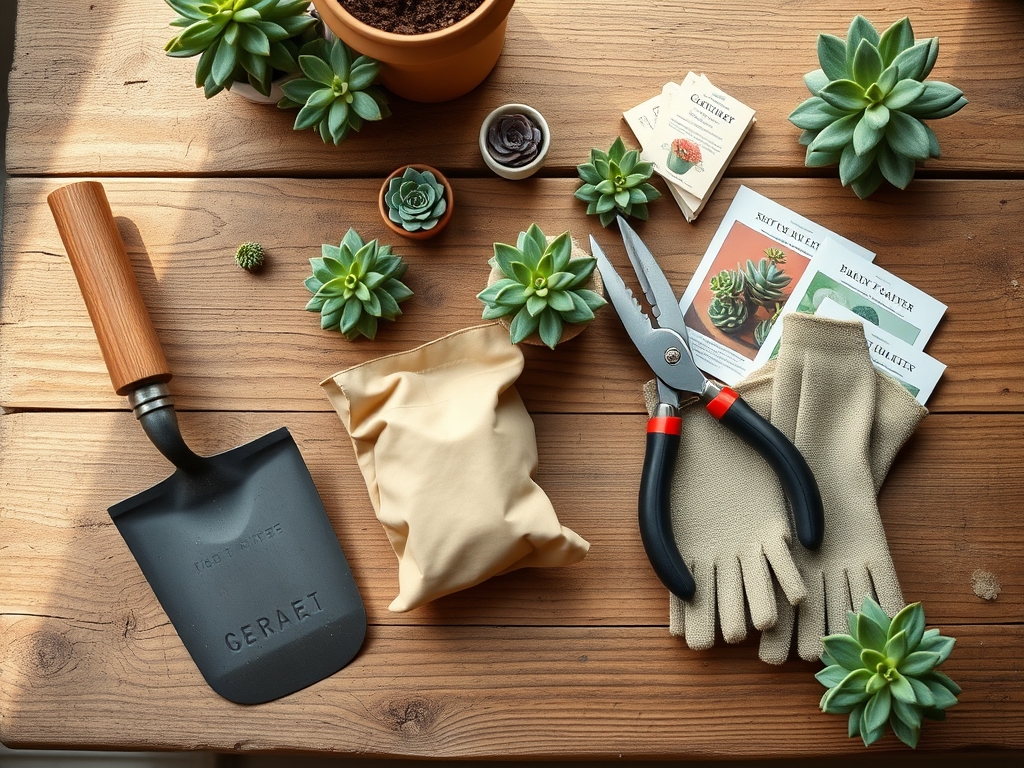
The foundation of color enhancement begins with a substrate that has a **Cation Exchange Capacity (CEC) of 10 to 30 meq/100g**. This allows the soil to hold onto essential ions like potassium and magnesium while preventing salt buildup. The ideal substrate is a friable loam mixed with 50 percent inorganic grit such as expanded shale or coarse poultry grit. Soil pH must be maintained between **5.5 and 6.5** to ensure nutrient bioavailability; a pH above 7.0 often locks out phosphorus and iron, leading to stunted growth and pale foliage.
When selecting your inputs, look for a 2-7-7 or 3-1-2 NPK ratio. High phosphorus (the middle number) supports the energy transfer molecules, ATP and NADPH, which are vital during the plant's metabolic processes. Essential micronutrients must include 0.02% Boron, 0.05% Manganese, and 0.1% Chelated Iron. These trace elements act as catalysts for the enzymes that synthesize pigments. Avoid fertilizers with urea-based nitrogen, as succulents lack the high levels of urease enzymes needed to break it down efficiently; seek nitrate-based nitrogen instead for immediate uptake.
Timing:
Successful fertilization is dictated by the hardiness zone and the specific genus. In USDA Zones 9 through 11, succulents may grow year-round, but in Zones 5 through 8, they enter a distinct dormancy as temperatures drop below 50 degrees Fahrenheit. The "Biological Clock" of the succulent is governed by the photoperiod. As day length decreases, the plant shifts from its vegetative stage to a survival or reproductive stage.
Apply fertilizer only during the active growing season, typically from the last frost in spring until late summer. For summer-growers like Crassula and Echeveria, the window opens when nighttime temperatures consistently stay above 55 degrees Fahrenheit. Winter-growers like Aloe and Haworthia require nutrition when the mercury dips and days shorten. Fertilizing during dormancy is a critical error; the plant cannot process the minerals, leading to salt accumulation in the rhizosphere and potential root desiccation.
Phases:

Sowing and Germination
Succulent seeds require a sterile, fine-textured medium. Maintain a constant temperature of 70 to 75 degrees Fahrenheit for optimal germination. Do not use full-strength fertilizer on seedlings. Instead, use a 25 percent dilution of a specialized succulent fertilizer once the first set of true leaves appears.
Pro-Tip: Seedlings exhibit high levels of phototropism. Rotating the seed tray 180 degrees every two days prevents the elongation of the hypocotyl, ensuring a stout, resilient base for the future rosette.
Transplanting and Root Establishment
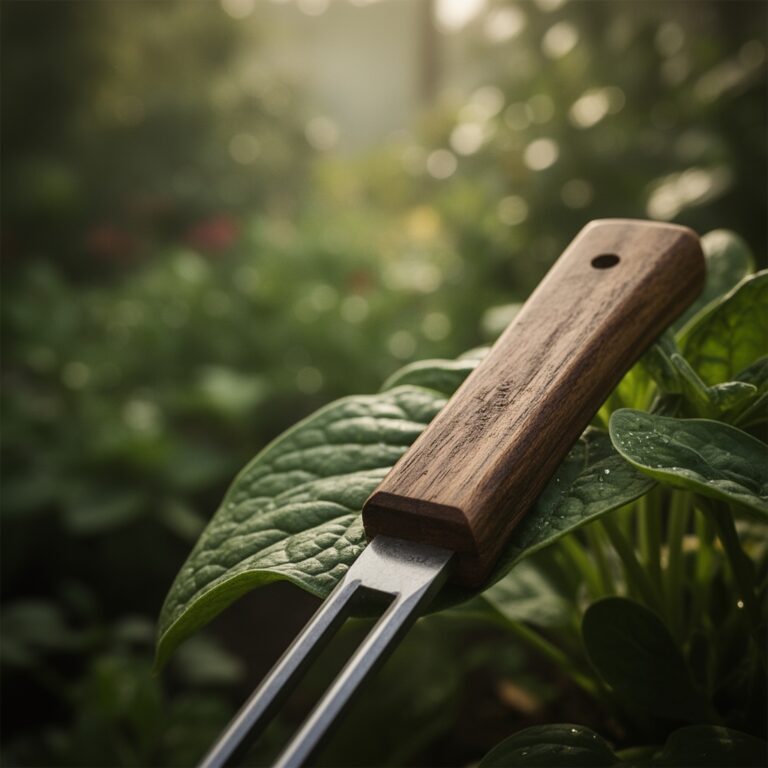
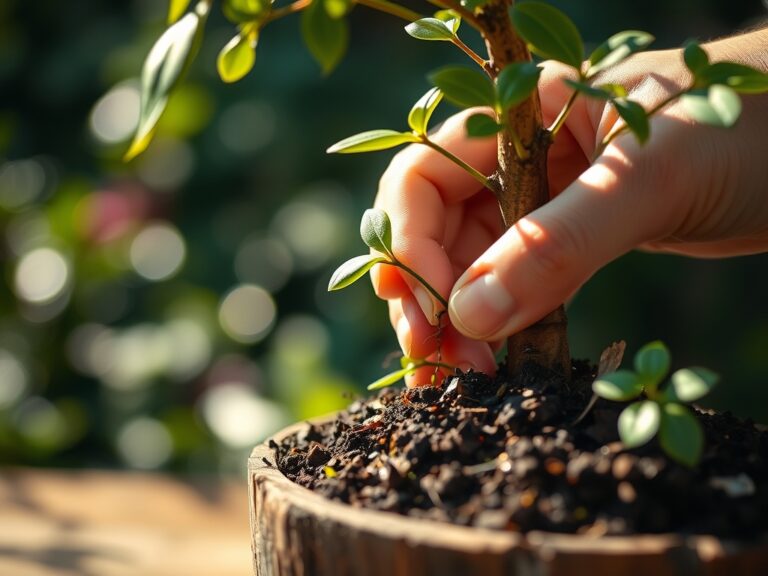
When moving a specimen, inspect the root architecture for a healthy, white appearance. Use a hori-hori knife to tease out pot-bound roots. Allow the roots to callus for 48 to 72 hours before placing them in new, dry substrate. Wait one week before the first watering to prevent fungal pathogens from entering root wounds.
Pro-Tip: Introducing mycorrhizal fungi during transplanting creates a symbiotic relationship that extends the root surface area. This symbiosis increases the plant's ability to absorb phosphorus, which is the primary driver of floral development and root strength.
Establishing and Maturation
Once the plant is established, implement a "soak and dry" routine. Apply the fertilizer solution directly to the soil, avoiding the foliage to prevent mineral spotting or rot in the crown. Ensure the solution reaches a depth of 3 to 4 inches to encourage deep rooting.
Pro-Tip: Maintaining high light intensity while using a low-nitrogen fertilizer encourages auxin suppression in the apical meristem. This results in a tighter, more compact leaf arrangement that maximizes the surface area exposed to UV rays for color development.
The Clinic:
Physiological disorders in succulents often mimic pest damage but are usually linked to environmental or nutritional imbalances.
Symptom: Interveinal chlorosis (yellowing between leaf veins while veins remain green).
Solution: This indicates an Iron or Magnesium deficiency. Check the soil pH. If the pH is above 7.0, apply a chelated iron drench to lower the pH and restore nutrient mobility.
Symptom: Edema (cork-like blisters on the underside of leaves).
Solution: This is caused by rapid water uptake during high humidity when the plant cannot transpire quickly enough. Increase airflow and reduce watering frequency.
Symptom: Soft, translucent leaves (not related to overwatering).
Solution: This suggests a Calcium deficiency. Calcium is essential for cell wall stability. Using a specialized succulent fertilizer with added calcium nitrate can reinforce the cellular structure.
Fix-It: Nitrogen Chlorosis
If the entire plant turns a pale, sickly yellow, it is likely nitrogen-deficient. While succulents need low nitrogen, they do not need zero nitrogen. Apply a balanced succulent formula at half-strength for two consecutive waterings to restore chlorophyll levels without causing a growth spurt.
Maintenance:
Precision is the hallmark of the master gardener. Use a soil moisture meter to ensure the substrate is at 0 percent moisture before re-watering. For most outdoor succulents in porous soil, apply 1.0 to 1.5 inches of water per week during the peak growing season. Direct the water at the drip line, the area directly beneath the outer circumference of the leaves, to target the most active root hairs.
Keep a pair of bypass pruners sterilized with 70 percent isopropyl alcohol. Use them to remove spent flower stalks or necrotic lower leaves. This prevents the accumulation of organic debris that can harbor pathogens. Monitor the plant's "blush" or stress coloring; if the colors fade, increase light exposure or slightly decrease the frequency of fertilization to allow natural pigments to dominate.
The Yield:
While most succulents are grown for aesthetics, some, like Aloe vera or Opuntia, offer a physical harvest. For Aloe, harvest the outermost leaves using a sterile blade, cutting as close to the main stem as possible. For Opuntia pads, harvest in the early morning when acid levels are lowest for a milder flavor.
To maintain "day-one" freshness for ornamental cuttings, keep them in a cool, shaded area with high humidity but no direct contact with water. This preserves the turgor pressure within the leaves, allowing the cutting to survive for weeks until it is ready to be callused and replanted.
FAQ:
How often should I use specialized succulent fertilizer?
Apply fertilizer every second or third watering during the active growing season. Always dilute the formula to half the strength recommended on the label to prevent root burn and maintain compact growth forms.
Can I use a 10-10-10 fertilizer for my succulents?
No. The nitrogen content is too high, which causes rapid, weak growth and mutes the plant's natural colors. Using a specialized succulent fertilizer with a low nitrogen and high potassium ratio is superior for plant health.
Why are my succulent leaves turning yellow?
Yellowing, or chlorosis, often indicates overwatering or a nitrogen deficiency. If the soil is dry, it is likely a lack of nutrients. If the soil is wet, it is root stress from lack of oxygen in the rhizosphere.
Does fertilizer help succulents change color?
Yes. Fertilizers high in potassium and magnesium support the synthesis of anthocyanins and carotenoids. When combined with proper light stress, these nutrients produce the deep reds, purples, and oranges sought by collectors.