6 Best Discreet Plant Clips for Vining Houseplants
The scent of damp, pasteurized peat moss and the sharp metallic tang of wet perlite signal a controlled indoor growing environment. When a Monstera deliciosa or Epipremnum aureum achieves high turgor pressure, its cell walls are rigid and the foliage stands firm. However, as these hemiepiphytes scale toward the light, their primary stems require structural reinforcement to prevent mechanical stress on the root system. Selecting the best plant clips is not merely an aesthetic choice; it is a mechanical intervention that prevents stem crimping and maintains vascular flow. Without proper support, the weight of the foliage can cause micro-fractures in the epidermis, leading to opportunistic fungal infections. A professional indoor canopy requires fasteners that disappear into the foliage while providing the tensile strength needed to direct growth. These clips must manage the plant's weight without compressing the phloem or xylem tissues, ensuring that nutrient transport remains uninhibited from the rhizosphere to the apical meristem.
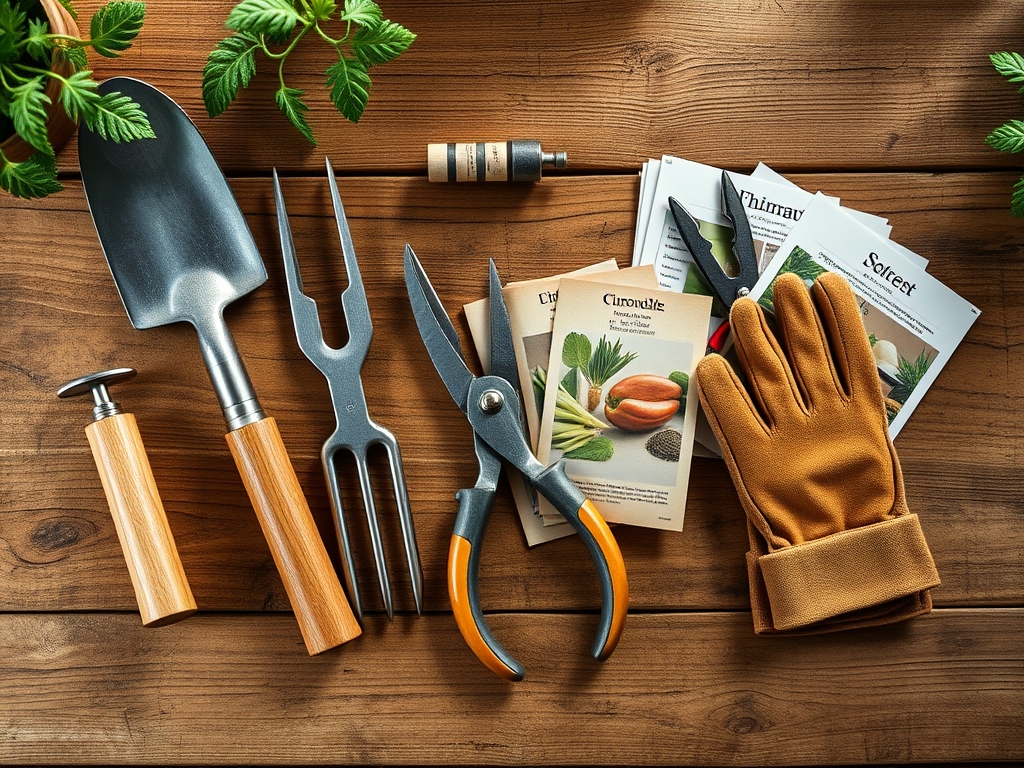
Materials:
Vining plants require a substrate with a high Cation Exchange Capacity (CEC) to facilitate the movement of ions like potassium and magnesium. The ideal medium is a friable loam consisting of 40 percent coco coir, 30 percent perlite, and 20 percent orchid bark. Maintain a soil pH between **5.5 and 6.5** to ensure micronutrient availability. During active growth, apply a fertilizer with an NPK ratio of **3-1-2**. This high-nitrogen formulation supports the rapid expansion of leaf surface area. If the plant enters a reproductive phase or requires root fortification, pivot to a **5-10-10** ratio. The physical texture must allow for rapid drainage; water should move through the profile at a rate of at least **1 inch per minute** to prevent anaerobic conditions that lead to root rot.
Timing:
While indoor plants are insulated from Hardiness Zone fluctuations, they still respond to the photoperiod of their geographic location. In Zones 7 through 9, the transition from vegetative to reproductive stages often mirrors the outdoor shift in light intensity. The biological clock of a vining plant is governed by phytochrome proteins that sense light quality. Clip installation and repositioning should occur during the early vegetative stage when stems are flexible. Once a stem undergoes lignification (the development of woody tissue), it becomes brittle. Aim to secure new growth every 4 to 6 inches during the spring flush, typically between March and September, before the plant enters winter senescence.
Phases:

Sowing and Propagation
Start vines in a sterile medium with a temperature maintained at 72 to 75 degrees Fahrenheit. Use a heat mat to stimulate cellular division in the basal node. For vining species, propagation via nodal cuttings is most effective when the parent plant exhibits high vigor.
Pro-Tip: Maintain high humidity to prevent transpiration pull from outstripping the cutting's ability to take up water. This prevents the loss of turgor before adventitious roots form.
Transplanting
Move the specimen when roots occupy 80 percent of the current vessel. Dig a hole twice the width of the root ball. Ensure the crown sits exactly at the soil line to prevent stem rot.
Pro-Tip: Dust the root ball with mycorrhizal fungi. This symbiotic relationship expands the surface area of the root system, increasing the uptake of phosphorus and water through hyphal networks.
Establishing and Clipping
Once the plant exceeds 12 inches in height, begin the training process. Use the best plant clips to secure the main lead to a moss pole or wall surface. Space clips to allow for the natural girth expansion of the stem over time.
Pro-Tip: Always place clips below a node. This utilizes the plant's natural auxin suppression. By orienting the stem vertically, you encourage apical dominance, which results in larger, more fenestrated leaves.
The Clinic:
Physiological disorders often manifest as visual cues in the foliage.
- Symptom: Interveinal chlorosis on young leaves. Solution: This indicates an Iron deficiency. Lower the soil pH to 6.0 to increase iron solubility.
- Symptom: Leaf tip burn or necrosis. Solution: This is often caused by salt accumulation from synthetic fertilizers. Flush the substrate with three volumes of distilled water.
- Symptom: Formative stems becoming soft or "mushy." Solution: This is Pythium root rot. Prune affected roots with a sterilized hori-hori knife and repot in a highly porous medium.
Fix-It: For Nitrogen chlorosis (yellowing of older leaves), apply a quick-release urea-based fertilizer at half strength to restore chlorophyll production.
Maintenance:
Precision is the difference between a surviving plant and a thriving one. Use a soil moisture meter to ensure the substrate is dry to a depth of 2 inches before re-irrigating. Most vining tropicals require approximately 1.5 inches of water per week delivered at the drip line. Use bypass pruners to remove any yellowing or necrotic tissue; always cut at a 45-degree angle to prevent water from pooling on the wound. Every six months, inspect the best plant clips to ensure they are not "strangling" the stem. If the stem diameter has increased by more than 20 percent, relocate the clip to a newer, more flexible section of the vine.
The Yield:
For those growing vining herbs or flowering vines like Hoya, harvest timing is critical. Collect flowers or foliage in the early morning when the plant is at maximum turgidity. Use a sharp, sterilized blade to make clean cuts, which minimizes the "bleeding" of latex or sap. To maintain "day-one" freshness, immediately submerge the cut ends in 40-degree Fahrenheit water to slow the metabolic rate and prevent the onset of senescence. For flowering varieties, removing spent blooms (deadheading) redirects energy from seed production back into vegetative growth and future floral primordia.
FAQ:
What are the best plant clips for heavy vines?
Use UV-stabilized polycarbonate clips with a tension spring. These provide the necessary grip for thick stems like Monstera or Philodendron. Ensure the internal diameter is at least 0.5 inches to allow for secondary thickening of the vascular tissue.
How do I hide clips on a white wall?
Select adhesive cable-style clips in a matte white finish. These blend into the architecture while providing a secure anchor point. Position them behind large leaves to utilize the plant's natural morphology as a visual screen.
Will clips damage my plant's stem?
Only if they are too tight. Ensure there is a 2-millimeter gap between the clip and the stem. This prevents the compression of the phloem, which is responsible for transporting sugars from the leaves down to the root system.
Can I reuse plant clips?
Yes, but they must be disinfected. Soak clips in a 10 percent bleach solution for ten minutes between uses. This kills pathogens like tobacco mosaic virus or fungal spores that can persist on plastic surfaces for months.