5 Secret Ways How to Make Liquid Fertilizer
The smell of fermenting kitchen scraps and cut grass signals the transformation of organic waste into concentrated plant nutrition. Within seven to fourteen days, ordinary compostable materials break down into liquid gold that feeds roots faster than granular amendments. Learning how to make liquid fertilizer at home reduces dependency on commercial products while recycling nutrients that would otherwise fill landfills. These five methods require minimal equipment and produce fertilizers with measurable NPK values suitable for vegetable gardens, ornamentals, and container plants.
Materials
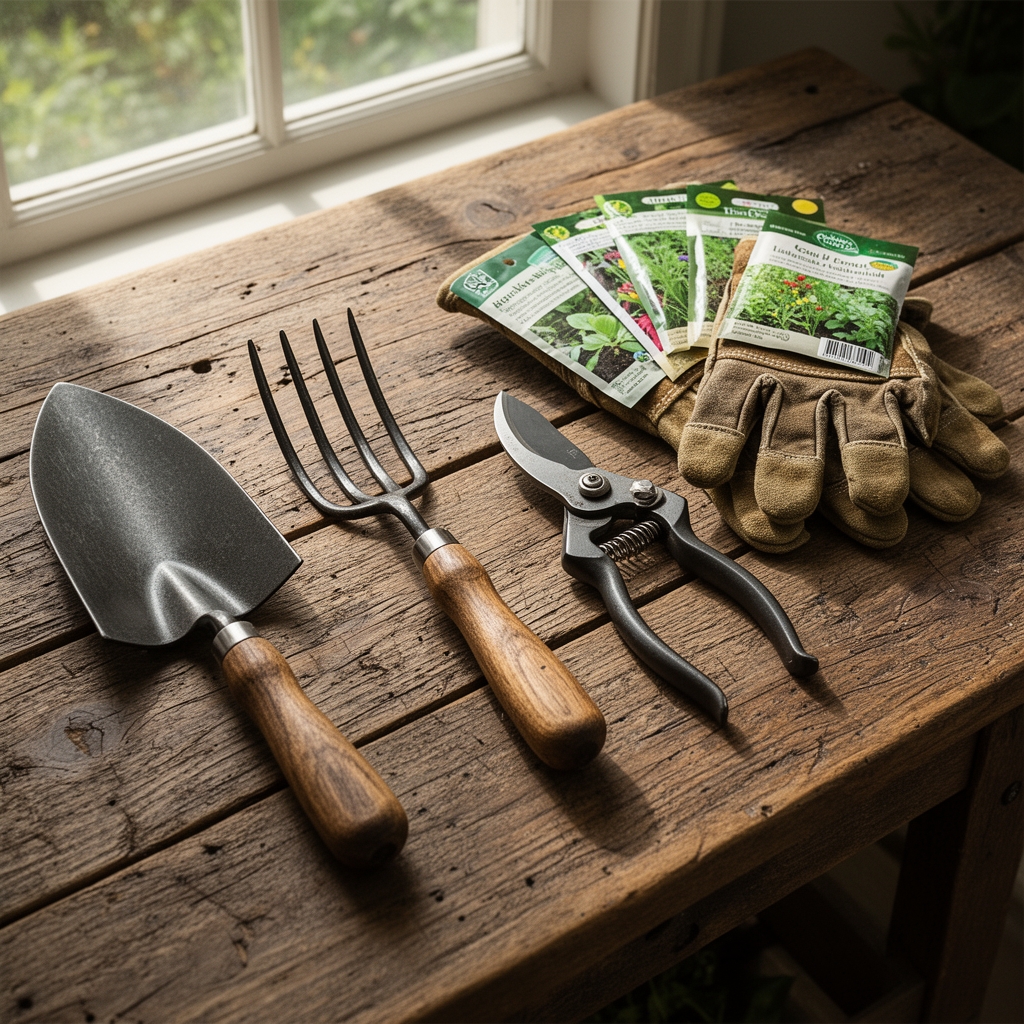
The foundation of any liquid fertilizer begins with nitrogen-rich green material and balanced mineral sources. Fresh grass clippings provide approximately 4-1-2 NPK when steeped, while comfrey leaves deliver 1.8-0.5-5.3, making them ideal for fruiting crops. Nettle leaves offer 5-0-2 with trace iron and magnesium. Seaweed contains natural auxins and cytokinins that promote cellular division; kelp meal mixed at 1 tablespoon per gallon produces a 1-0.2-2 solution with elevated micronutrient content.
Animal-based materials shift the nitrogen balance higher. Rabbit manure tea averages 2.4-1.4-0.6 and requires no aging due to low ammonia content. Fish waste or fish emulsion concentrate reaches 5-1-1 when properly hydrolyzed, though the odor demands outdoor brewing. Wood ash added at 2 tablespoons per gallon raises pH to 8.5 and contributes potassium (0-1-3), useful for brassicas and root vegetables in acidic soils with pH below 6.0.
Molasses serves as both a microbial food source and a chelating agent. One tablespoon per gallon feeds beneficial bacteria while improving cation exchange capacity in the finished product. Dechlorinated water is essential; chlorine concentrations above 0.5 ppm kill the anaerobic and aerobic microbes responsible for nutrient conversion.
Timing
Application schedules align with plant growth phases and USDA Hardiness Zones. In Zones 3-5, begin brewing liquid fertilizers two weeks before the last expected frost date, typically mid-May. The fermentation process requires soil temperatures above 50°F to prevent fungal dominance over bacterial populations.
For warm-season crops in Zones 7-9, start batches in early March when ambient temperatures stabilize above 60°F at night. Cool-season crops like kale and lettuce benefit from late-August applications when plants redirect energy toward leaf production rather than flowering. The nitrogen boost from nettle or grass-based teas extends harvest windows by three to four weeks.
Fruit-bearing plants require potassium-heavy formulas during bud set. Apply comfrey or seaweed tea at first flower formation, then repeat every 14 days until fruit reaches 50 percent mature size. Root crops need phosphorus dominance; bone meal tea (3-15-0) applied at transplant and again 30 days pre-harvest improves storage quality and Brix levels.
Phases

Sowing: Seed-starting mixes lack nutrients by design. Dilute finished liquid fertilizer to 25 percent strength (one part fertilizer to three parts water) and apply as a root drench seven days after germination. The mild nitrogen content supports cotyledon development without promoting leggy growth. Pro-Tip: Add 1/4 teaspoon soluble mycorrhizal fungi per gallon of diluted fertilizer to colonize emerging root hairs.
Transplanting: Full-strength grass or manure tea applied at transplant reduces shock and accelerates establishment. Pour 1 cup directly into the planting hole before setting the root ball. The immediate nutrient availability offsets transplant stress by maintaining auxin distribution to lateral roots. Pro-Tip: Transplant during overcast conditions and apply liquid fertilizer within the first hour to capitalize on open stomata and high transpiration rates.
Establishing: Once plants show new vegetative growth, typically 10-14 days post-transplant, switch to a maintenance schedule. Apply 1 quart of full-strength liquid fertilizer per 4 square feet of bed space every two weeks. For heavy feeders like tomatoes and squash, increase frequency to every 10 days. Pro-Tip: Foliar application at dawn allows 6-8 hours of nutrient absorption before stomatal closure. Spray until leaf runoff begins, focusing on undersides where stomatal density reaches 400 per square millimeter.
Troubleshooting
Symptom: Rotten-egg odor during fermentation. Solution: Anaerobic conditions dominate. Remove lid and stir twice daily to introduce oxygen. Add 2 tablespoons of molasses to rebalance microbial populations toward aerobic species.
Symptom: White fungal mat on liquid surface. Solution: Kahm yeast overgrowth from excess sugars. Skim off mat, reduce molasses by half, and increase brewing temperature to 75-80°F.
Symptom: Leaf burn (brown, crispy margins) after application. Solution: Excessive salt concentration or undiluted ammonia. Dilute all batches to 50 percent strength for first application. Test EC (electrical conductivity) with a meter; values above 2.5 mS/cm require further dilution.
Symptom: Minimal plant response after repeated applications. Solution: Soil pH outside optimal range blocks nutrient uptake. Test soil; if pH falls below 5.8 or above 7.2, amend before further fertilizer use. Add lime to raise pH or sulfur to lower it.
Symptom: Sediment clogs sprayer nozzles. Solution: Strain finished tea through cheesecloth or a 200-micron paint filter before storage. Sediment contains undecomposed fibers with minimal soluble nutrients.
Maintenance
Water plants with 1 inch total per week, including rainfall. Apply liquid fertilizer after standard irrigation to prevent root burn. Store finished fertilizer in opaque containers away from direct sunlight. Use within 30 days; nitrogen volatilizes and potassium precipitates after one month. Refrigeration extends viability to 90 days.
Rotate material sources every four weeks to prevent micronutrient imbalances. Alternate between high-nitrogen teas (grass, nettle) and potassium-rich formulas (comfrey, seaweed). Monitor leaf color; dark green with slight cupping indicates excess nitrogen. Reduce application frequency or dilute to 25 percent strength.
FAQ
How long does fermentation take? Seven to fourteen days at temperatures between 70-80°F. Cold conditions below 60°F extend the process to three weeks. Finished tea smells earthy, not putrid.
Can I use city tap water? Only after dechlorination. Fill containers and let stand uncovered for 24 hours, or add 1/4 teaspoon sodium thiosulfate per 5 gallons to neutralize chlorine instantly.
What dilution ratio for seedlings? Four parts water to one part liquid fertilizer. Full strength burns tender roots with diameter less than 1 millimeter.
Does liquid fertilizer replace compost? No. Liquid feeds provide immediate nutrients but lack the organic matter necessary for soil structure and long-term cation exchange capacity improvements.
How do I increase phosphorus content? Add bone meal at 1/4 cup per gallon during brewing, or steep banana peels (0-3-42) for potassium and phosphorus dominance.