5 Easy Ways How to Grow Nitrogen Fixing Plants
Nitrogen-fixing plants transform atmospheric nitrogen into soil-available compounds through symbiotic bacteria housed in specialized root nodules. These legumes, shrubs, and trees can reduce fertilizer costs by 40-60% while improving soil structure and organic matter content. Mastering how to grow nitrogen fixing plants begins with understanding the Rhizobium-legume partnership and creating conditions that maximize nodulation rates from the first week of establishment.
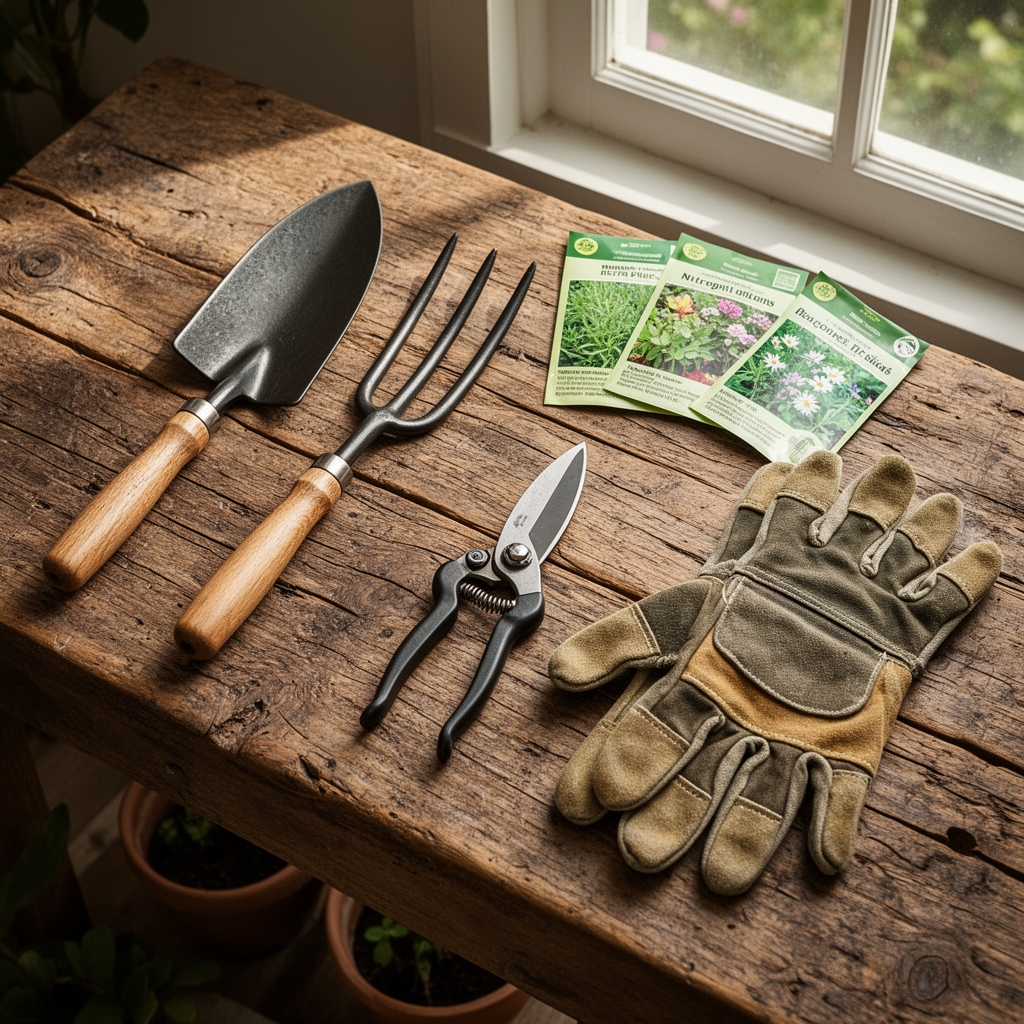
Materials
Select species based on your soil's existing pH and cation exchange capacity. Most nitrogen-fixing legumes thrive in pH 6.0-7.0, while lupines tolerate 5.5-6.5. Test soil before planting to determine lime requirements.
For Annual Legumes (Field Peas, Crimson Clover, Hairy Vetch):
- Rhizobium inoculant specific to species group (expires within 12 months)
- Balanced starter fertilizer: 4-4-4 organic meal applied at 2 pounds per 100 square feet
- Sulfur or lime to adjust pH within 0.3 units of target
- Compost aged 6-9 months, screened to 0.5-inch particle size
For Perennial Woody Fixers (Black Locust, Autumn Olive, Siberian Pea Shrub):
- Mycorrhizal fungi inoculant containing Glomus species at 300 spores per gram
- Rock phosphate: 5 pounds per planting hole for trees, 2 pounds for shrubs
- Aged manure composted to carbon-nitrogen ratio of 25:1
- Mulch layer of shredded hardwood bark, 3 inches deep
For Herbaceous Perennials (Lupines, Baptisia, Lead Plant):
- Species-matched Rhizobium or Bradyrhizobium strain
- Bone meal: 3-15-0, applied at 1 tablespoon per crown
- Perlite or coarse sand for drainage amendment in clay soils
- Potassium sulfate: 0-0-50, at 1 pound per 50 square feet if soil test shows K below 150 ppm
Timing
Match planting windows to your USDA Hardiness Zone and species cold tolerance. Annual legumes require 60-90 days to reach peak nitrogen fixation before flowering redirects auxin distribution.
Spring Planting (Zones 3-6):
Sow 2-3 weeks before last frost date when soil temperature reaches 45°F at 4-inch depth. Field peas and Austrian winter peas tolerate light freezes to 28°F.
Spring Planting (Zones 7-10):
Direct seed 4-6 weeks before last frost. Soil temperatures of 50-55°F optimize nodulation for cowpeas and lima beans.
Fall Planting (All Zones):
Sow crimson clover and hairy vetch 6-8 weeks before first frost date. Root systems must establish 4 inches deep before soil freezes.
Perennial Establishment:
Plant bare-root trees and shrubs during dormancy, 3-4 weeks before bud break. Container stock transplants successfully from April through June in Zones 4-7.
Phases
Sowing
Apply inoculant immediately before planting. Mix 1 teaspoon inoculant powder per pound of seed with 2 tablespoons milk as adhesive. Dried inoculant loses 30% viability per hour in direct sunlight.
Sow annual legumes at 1-2 inch depth in medium-textured loam, 0.5 inch in clay. Space field peas 2 inches apart in rows 18 inches wide. Broadcast crimson clover at 20 pounds per acre (4 ounces per 100 square feet) for cover crop density.
Pro-Tip: Coat seeds with powdered rock phosphate after inoculant application. The phosphorus concentration at the root zone stimulates nodule initiation within 7-10 days of germination.
Transplanting
Move container-grown perennials when they show 4-6 true leaves but before root systems circle the pot. Root-bound legumes exhibit 40% slower nodulation rates. Dig holes twice the root ball diameter and equal depth.
Position the crown 0.5 inch above surrounding grade to prevent stem rot. Backfill with native soil mixed 1:1 with compost. Eliminate air pockets by watering with 2 gallons per plant immediately after firming soil.
Pro-Tip: Dust exposed roots with mycorrhizal inoculant powder 30 seconds before placing in the hole. Direct contact between fungal spores and root hairs establishes symbiosis 3 weeks faster than broadcast application.
Establishing
Water transplants with 1 inch per week for the first month, measured with rain gauge. Reduce to 0.5 inch weekly once nodules appear as pink-centered bumps on lateral roots. Excess moisture reduces oxygen availability and limits Rhizobium colonization.
Monitor leaf color weekly. Pale yellow-green foliage in weeks 2-4 indicates normal pre-nodulation nitrogen deficiency. Apply foliar kelp solution (1 tablespoon per gallon) if chlorosis persists beyond week 5.
Pro-Tip: Pinch terminal growth when plants reach 6 inches. Removing the apical meristem redirects carbohydrates to root development and increases nodule count by 25-35%.
Troubleshooting
Symptom: No nodules visible at 6 weeks; stunted growth; uniform chlorosis.
Solution: Test soil pH. Below 5.8 or above 7.5 inhibits Rhizobium survival. Drench root zone with appropriate amendment dissolved in water: sulfur at 1 pound per 100 square feet for alkaline soil, lime at 3 pounds per 100 square feet for acidic conditions.
Symptom: White cottony growth on stems near soil line; stem blackening; plant collapse.
Solution: Southern blight (Sclerotium rolfsii) thrives in temperatures above 85°F with high humidity. Remove infected plants and surrounding soil to 6-inch depth. Drench area with Bacillus subtilis biological fungicide at labeled rate.
Symptom: Circular brown spots on leaves; yellow halos; defoliation from bottom upward.
Solution: Bacterial blight spreads in overhead irrigation. Switch to drip or soaker hose. Remove affected foliage. Spray copper hydroxide at 1.5 tablespoons per gallon weekly for 3 weeks.
Symptom: Nodules present but white or green inside (not pink); continued nitrogen deficiency.
Solution: Ineffective nodulation from wrong Rhizobium strain or environmental stress. Ensure soil temperature stays between 60-80°F. Supplement with fish emulsion (5-1-1) at half strength until pink nodules develop.
Maintenance
Apply 0.5 inch of water per week during pod development. Legumes fixing nitrogen actively require 30% less supplemental nitrogen than non-fixing crops but demand consistent phosphorus. Side-dress with bone meal at 2 tablespoons per plant when flower buds appear.
Mow or cut annual cover crops when 10% of plants show open flowers. This timing captures peak nitrogen content before seed production depletes soil reserves. Leave residue on soil surface to decompose, releasing 60-120 pounds of nitrogen per acre over 6-8 weeks.
Prune woody nitrogen fixers in late winter during dormancy. Remove crossing branches at 45-degree angles. Black locust resprouts aggressively from root cuttings; install root barriers 24 inches deep if planting near structures.
Rotate annual legumes with heavy feeders (tomatoes, corn, brassicas) the following season. Soil nitrogen peaks 3-4 weeks after incorporation of legume biomass.
FAQ
How long until nitrogen-fixing plants improve soil?
Annual legumes add 40-100 pounds of nitrogen per acre in one 90-day growth cycle. Perennial species contribute 50-150 pounds annually once established for 3 years.
Can I grow nitrogen fixers in containers?
Yes. Use pots minimum 12 inches deep for annuals, 18 inches for perennials. Apply inoculant at planting and refresh mycorrhizal fungi every spring with compost tea.
Do all legumes fix equal amounts of nitrogen?
No. Alfalfa fixes 200+ pounds per acre annually. Field peas fix 60-100 pounds. Fixation rate depends on nodule density, soil temperature, and plant biomass.
When should I harvest nitrogen-fixing cover crops?
Cut when 50% of plants reach early bloom stage. Younger tissue decomposes faster but contains less total nitrogen. Balance biomass yield with carbon-nitrogen ratio of 20:1 or lower.
Why did my inoculant fail?
Storage temperature above 75°F kills bacteria within weeks. Chlorinated water, high soil salt levels, or pH extremes prevent colonization. Purchase fresh inoculant annually and store refrigerated.