5 Best Drainage Pipe for Yards
The scent of anaerobic decay in waterlogged soil is the first sign of a failing landscape. When pore spaces in the rhizosphere remain saturated for more than 48 hours, oxygen is displaced; this leads to root rot and the collapse of cellular turgor pressure. Managing hydrostatic pressure requires a calculated approach to subsurface water movement. Selecting the best drainage pipe for yards is not merely a matter of convenience but a requirement for maintaining soil structural integrity and preventing the leaching of vital nutrients. A properly engineered system ensures that excess gravitational water exits the root zone before it can trigger fungal pathogens or root senescence.
Materials:
Subsurface drainage efficiency depends heavily on the surrounding substrate. The ideal environment is a **friable loam** with a **Cation Exchange Capacity (CEC) between 15 and 25 meq/100g**. This allows for sufficient nutrient retention while permitting water to percolate at a rate of at least **1 inch per hour**. If your soil pH falls below **5.5**, aluminum toxicity may occur; if it rises above **7.5**, iron and phosphorus become chemically locked. Before laying pipe, amend the backfill to achieve an **NPK ratio of 5-10-10** to encourage vigorous root establishment in the surrounding turf. High phosphorus levels are critical for early root development, ensuring the plants flanking your drainage lines can withstand the mechanical stress of installation.
Timing:
Hardiness Zones 3 through 9 dictate the window for installation. You must complete all trenching and pipe laying at least four weeks before the first hard frost to allow the disturbed soil to settle and the microbial community to stabilize. The biological clock of the landscape shifts from vegetative growth to dormancy as the photoperiod shortens. Installing drainage during the transition from the reproductive stage to senescence ensures that the root systems of perennial grasses are not actively pushing new growth when the soil is being manipulated. In colder regions, ensure the pipe is buried below the frost line, typically 18 to 24 inches, to prevent heave and pipe displacement caused by ice expansion.
Phases:

Sowing and Preparation
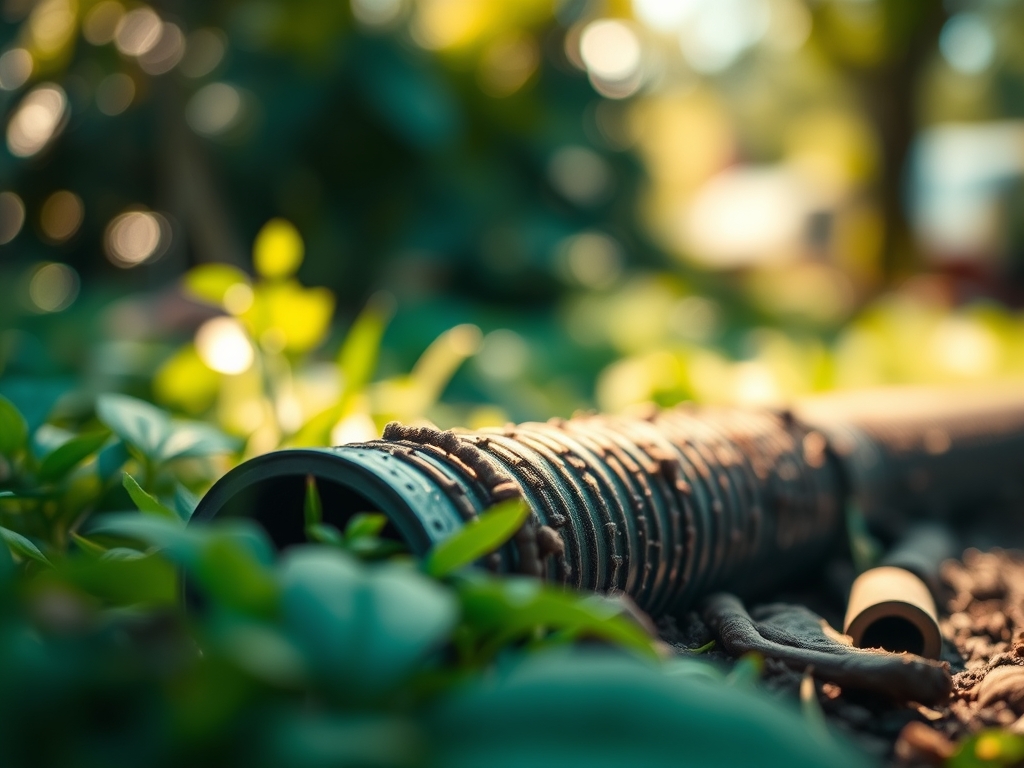
Prepare the trench with a consistent 1 percent to 2 percent slope. Use a laser level to ensure a drop of 1/8 inch per foot. For the best drainage pipe for yards, choose SDR-35 PVC for its high crush strength or corrugated HDPE for its flexibility in complex landscapes. Line the trench with a non-woven geotextile fabric to prevent silt from infiltrating the pipe.
Pro-Tip: Utilize a 1-inch layer of washed 3/4-inch crushed stone as a bedding. This creates a high-permeability zone that facilitates mycorrhizal symbiosis by maintaining the ideal balance of air and water in the surrounding aggregate.
Transplanting and Integration
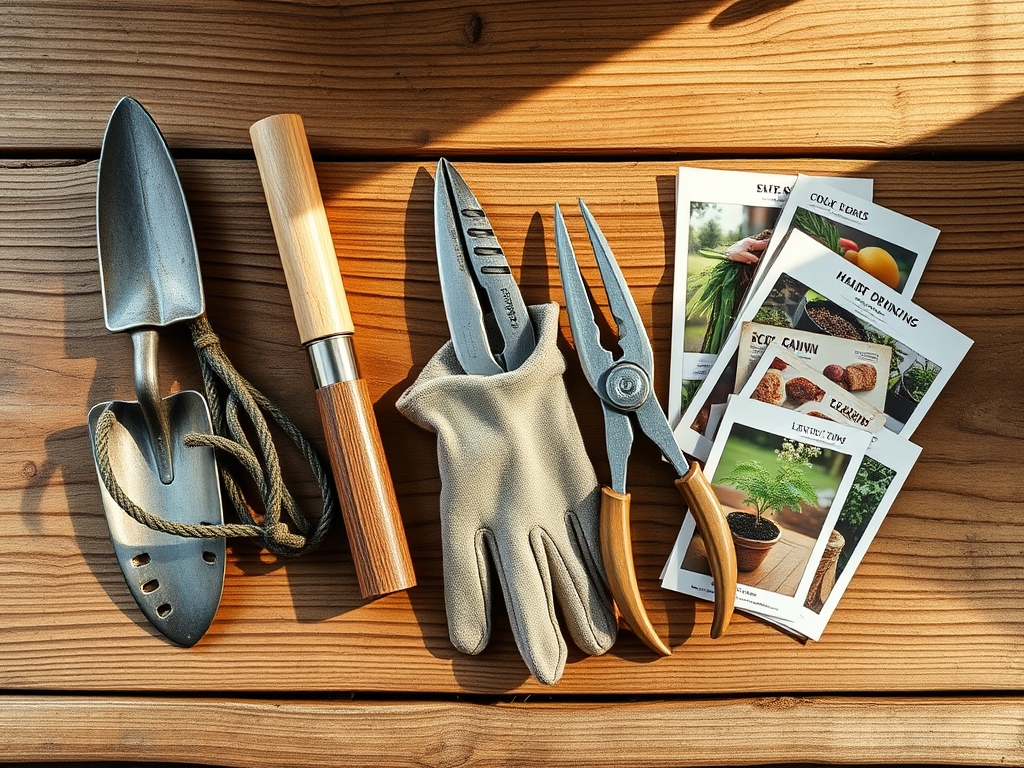
When replacing sod or plants over the drainage line, ensure the root balls are positioned so they do not obstruct the pipe's intake perforations. Use a hori-hori knife to score the root mass of any container-grown plants to break the circular growth pattern. This encourages lateral root extension away from the drainage pipe.
Pro-Tip: Avoid planting deep-rooted species directly over the line to prevent root intrusion. Roots exhibit hydrotropism, a biological response where they grow toward moisture gradients, which can eventually clog the perforations and render the system useless.
Establishing the System
Backfill the trench with a mix of native soil and coarse sand to improve hydraulic conductivity. Compact the soil in 3-inch lifts to prevent future settling while maintaining enough porosity for gas exchange. Monitor the area for the first three heavy rain events to ensure the discharge point is functioning.
Pro-Tip: Maintain a mulch layer of 2 inches over the trench area. This regulates soil temperature and prevents the "capping" of the soil surface, which can lead to runoff rather than infiltration into the drainage system.
The Clinic:
Physiological disorders often mimic drainage issues. Observe these symptoms to diagnose the health of your yard:
- Symptom: Interveinal Chlorosis. This is often a sign of Iron deficiency (Fe) caused by high pH or waterlogged roots. Solution: Test soil pH. If it is above 7.0, apply chelated iron and ensure the drainage pipe is clearing the root zone within 24 hours.
- Symptom: Leaf Epinasty. Downward curling of leaves indicates oxygen deprivation in the rhizosphere. Solution: Inspect the drainage outlet for blockages. Use a soil moisture meter to verify that the volumetric water content is below 35 percent.
- Symptom: Nitrogen Chlorosis. Uniform yellowing of older leaves suggests Nitrogen is being leached out by excessive water flow. Fix-It: Apply a slow-release 20-0-0 fertilizer to replenish the nitrogen lost to heavy runoff.
- Symptom: Root Sloughing. Roots appear brown and mushy rather than white and firm. Solution: This is a late-stage symptom of Phytophthora. Improve the drainage grade and replace the existing pipe with a larger 6-inch diameter HDPE pipe to increase capacity.
Maintenance:
Precision is the hallmark of a professional horticulturist. Use a soil moisture meter daily during the first growing season. Your goal is to maintain 1.5 inches of water per week at the drip line of all major plantings. For maintenance of the turf above the drainage line, use bypass pruners to remove dead tissue from ornamental grasses, ensuring they do not shed debris into the catch basins. Every spring, use a high-pressure hose to flush the lines of any accumulated silt. If you notice a decrease in flow, use a plumbing snake to check for root infiltration.
The Yield:
While drainage systems do not produce a traditional harvest, the "yield" is measured in the biomass and health of the landscape. For those growing cutting flowers or edibles near drainage lines, harvest during the early morning hours when turgor pressure is at its peak. Use a sharp hori-hori knife to make clean cuts, minimizing the surface area for pathogens to enter. Immediately submerge the stems in 40-degree Fahrenheit water to slow the rate of transpiration and maintain "day-one" freshness.
FAQ:
What is the most durable pipe for residential yards?
SDR-35 PVC is the industry standard for durability. Its rigid walls resist crushing from heavy equipment and root penetration. It is ideal for main lines that require a consistent slope and high flow capacity over long distances.
Should I use perforated or solid pipe?
Use perforated pipe for the collection area to allow groundwater to enter the system. Use solid pipe for the transport section to move water away from the foundation or landscape without allowing it to leak back into the soil.
How deep should I bury my drainage pipe?
Bury the pipe at least 12 to 18 inches deep. This depth protects the pipe from surface compaction and lawn aeration tools. In colder climates, go deeper to stay below the local frost line to prevent seasonal shifting.
Does a drainage pipe need a fabric sleeve?
Yes, in silty or sandy soils, a geotextile sleeve is essential. It acts as a mechanical filter, preventing fine particles from entering and clogging the pipe while still allowing water to pass through into the drainage channel.