10 Pro Tips How to Landscape Around a Tree
Damp earth carries the scent of geosmin as you peel back the turf. A healthy tree maintains high turgor pressure; its leaves are firm and its vascular system is fully pressurized. Learning how to landscape around a tree requires more than aesthetic placement. It demands an understanding of the rhizosphere. If you compress the soil or bury the root flare, you initiate a slow decline. Precision in grading and species selection ensures the tree remains the dominant architectural feature without compromising its structural integrity.
Materials:
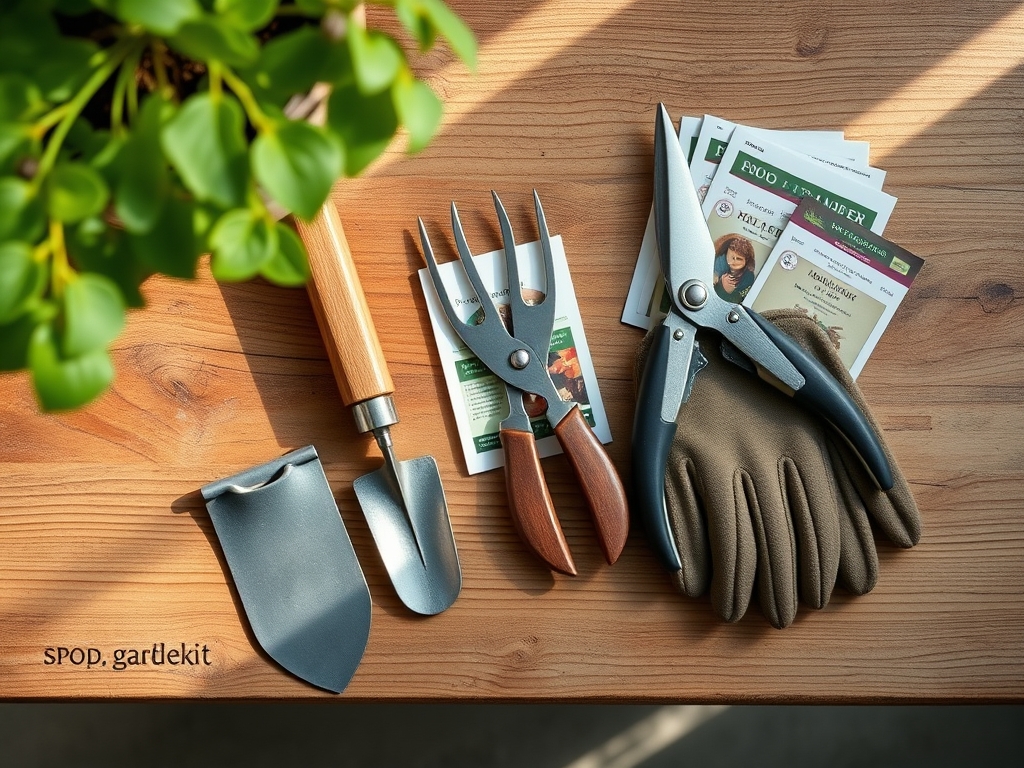
Successful underplanting depends on the substrate quality. You require a friable loam with a high Cation Exchange Capacity (CEC) to hold nutrients against the leaching force of heavy rain. Aim for a soil pH between 6.0 and 6.8 for most temperate species.
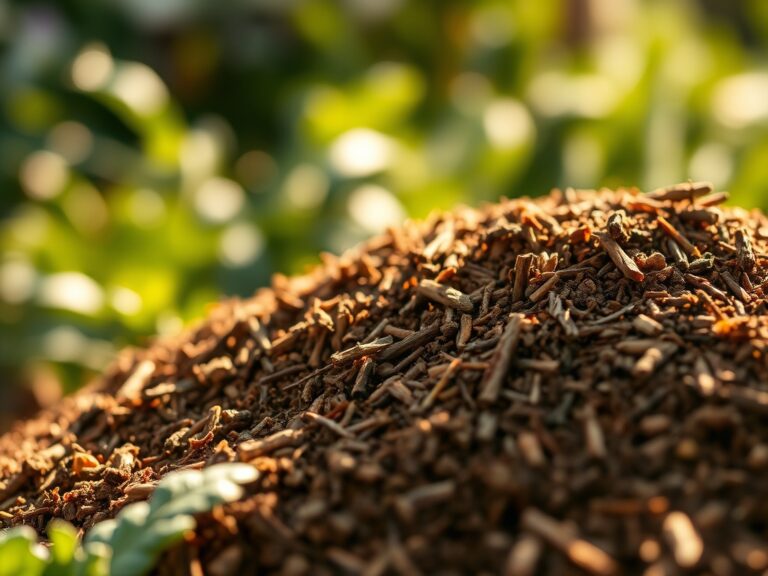
Incorporate organic matter with a balanced NPK ratio of 5-5-5 to provide a slow-release nutrient base. Avoid high nitrogen fertilizers like 20-10-10 near mature trees; excessive nitrogen can stimulate rapid, weak succulent growth that attracts sap-sucking insects. Use aged arborist wood chips for mulching. These chips should be irregular in size to allow for gas exchange. Avoid "dyed" mulches which can contain high levels of carbon that temporarily lock up available nitrogen through microbial immobilization.
Timing:
In USDA Hardiness Zones 4 through 8, the window for landscaping around a tree is narrow. You must align your work with the tree's biological clock. The ideal time is late autumn or early spring when the tree is in dormancy or early bud break. During these windows, the plant's metabolic rate is low.
Soil temperatures should be between 45 and 55 degrees Fahrenheit to encourage root development without triggering premature canopy growth. Planting during the transition from the vegetative stage to the reproductive stage in summer is a mistake. High transpiration rates during heat waves will cause transplant shock as the new plants compete with the established tree for limited moisture in the upper 6 inches of soil.
Phases:

Sowing and Site Prep
Clear the area manually using a hori-hori knife to remove grass. Never use a rototiller within the drip line of the tree. The majority of a tree's feeder roots reside in the top 12 inches of soil. Mechanical tilling shears these roots and introduces pathogens.
Pro-Tip: Maintain the visibility of the root flare. This is where the trunk widens at the base. Covering this area with soil or mulch leads to stem-girdling roots and bark decay. Biological Why: The bark on the trunk is not anatomically designed to be submerged in soil; it lacks the specialized lenticels required for gas exchange in a subterranean environment.
Transplanting Understory Species
Select dry-shade specialists like Epimedium or Heuchera. Dig small, individual holes rather than a continuous trench. Position plants at least 3 feet away from the trunk. Use a soil moisture meter to ensure the native soil is at field capacity before you begin.
Pro-Tip: Dip root balls in a mycorrhizal fungal inoculant before backfilling. Biological Why: Mycorrhizal symbiosis creates a fungal network that extends the reach of the plant's root system. This allows for better phosphorus uptake and increased drought resistance through improved hydraulic lift from the deeper tree roots.
Establishing the Landscape
Water the new plants immediately to eliminate air pockets. Apply a 2-inch layer of mulch, but keep it 6 inches away from the tree trunk. This "donut" pattern prevents moisture from sitting against the bark.
Pro-Tip: Use a diluted seaweed extract (0-0-1) during the first three waterings. Biological Why: Seaweed contains cytokinins and auxins. These plant hormones stimulate cell division in the roots and suppress apical dominance, encouraging the plant to establish a robust base rather than stretching toward the light.
The Clinic:
Physiological disorders often arise when the balance between the tree and the new underplanting is disrupted.
- Symptom: Yellowing of lower leaves on new plants (Chlorosis).
- Solution: Test for Nitrogen deficiency. If the pH is above 7.0, iron becomes insoluble. Apply a chelated iron supplement.
- Symptom: Wilting despite moist soil.
- Solution: This indicates root rot or anaerobic conditions. You likely added too much heavy topsoil, suffocating the roots. Remove the excess soil immediately.
- Symptom: Leaf scorch on the tree canopy.
- Solution: This is often caused by root severance during the landscaping process. Increase deep watering to the tree to compensate for the lost root mass.
Fix-It for Nutrient Deficiencies:
If you observe interveinal chlorosis, apply a foliar spray of Magnesium Sulfate (Epsom salt) at a rate of 1 tablespoon per gallon. This provides immediate magnesium for chlorophyll production while you work on long-term soil pH adjustment.
Maintenance:
Precision is the difference between a thriving ecosystem and a slow death. Provide 1.5 inches of water per week at the drip line. Use a soil moisture meter to verify that the moisture is penetrating at least 8 inches deep.
Use bypass pruners to remove any "suckers" or water sprouts from the base of the tree. These growths drain energy from the main vascular system. In late winter, use a hori-hori knife to check for girdling roots that may have been encouraged by the new soil. If you find a root circling the trunk, prune it cleanly to prevent it from strangling the tree's phloem as it expands.
The Yield:
If your underplanting includes shade-tolerant herbs like Sweet Woodruff or flowers like Hellebores, harvest when the dew has dried but before the sun is at its zenith. For flowers, cut stems at a 45-degree angle and immediately submerge them in cool water. This maintains vascular continuity and prevents air embolisms from blocking water transport. For herbs, never harvest more than one-third of the foliage at once to ensure the plant has enough photosynthetic surface area to recover.
FAQ:
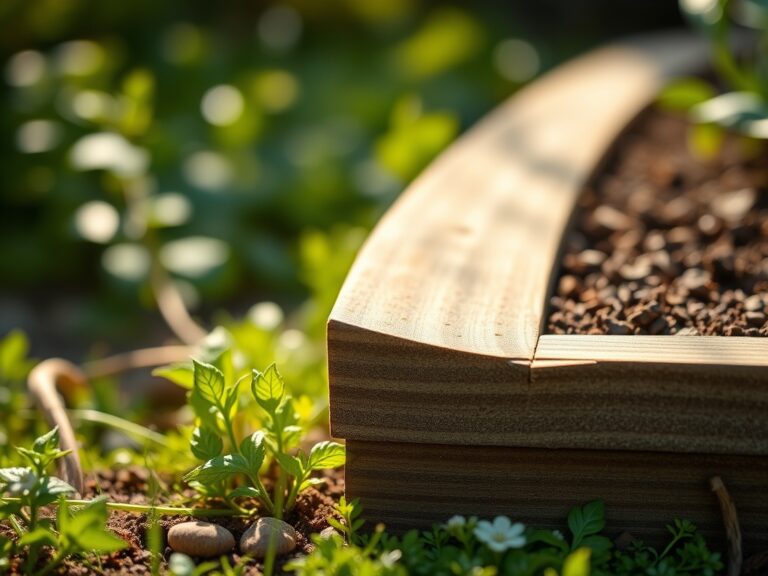
Can I build a raised bed around a tree?
No. Adding more than 2 to 4 inches of soil over a tree's root zone smothers the roots. This prevents oxygen from reaching the rhizosphere, leading to root senescence and the eventual death of the tree within several years.
How close can I plant to the trunk?
Keep all new plantings at least 2 to 3 feet away from the trunk. This protects the root flare and prevents competition for moisture and nutrients in the critical zone where the tree's structural roots are most vulnerable.
What is the best mulch for under a tree?
Use coarse arborist wood chips. They break down slowly, provide a diverse range of nutrients, and maintain the necessary pore space for gas exchange. Avoid fine-textured mulches that can mat down and become hydrophobic, shedding water away.
Why are my new plants dying under a maple?
Maples have shallow, aggressive fibrous root systems. They excel at outcompeting smaller plants for surface moisture. To succeed, you must use drought-tolerant species and provide supplemental irrigation during the first two growing seasons to ensure establishment.
Should I use landscape fabric under the mulch?
Never use landscape fabric around trees. It eventually clogs with fine soil particles, creating a barrier that prevents oxygen and water from reaching the soil. It also interferes with the natural nutrient cycling of decomposing organic matter.